
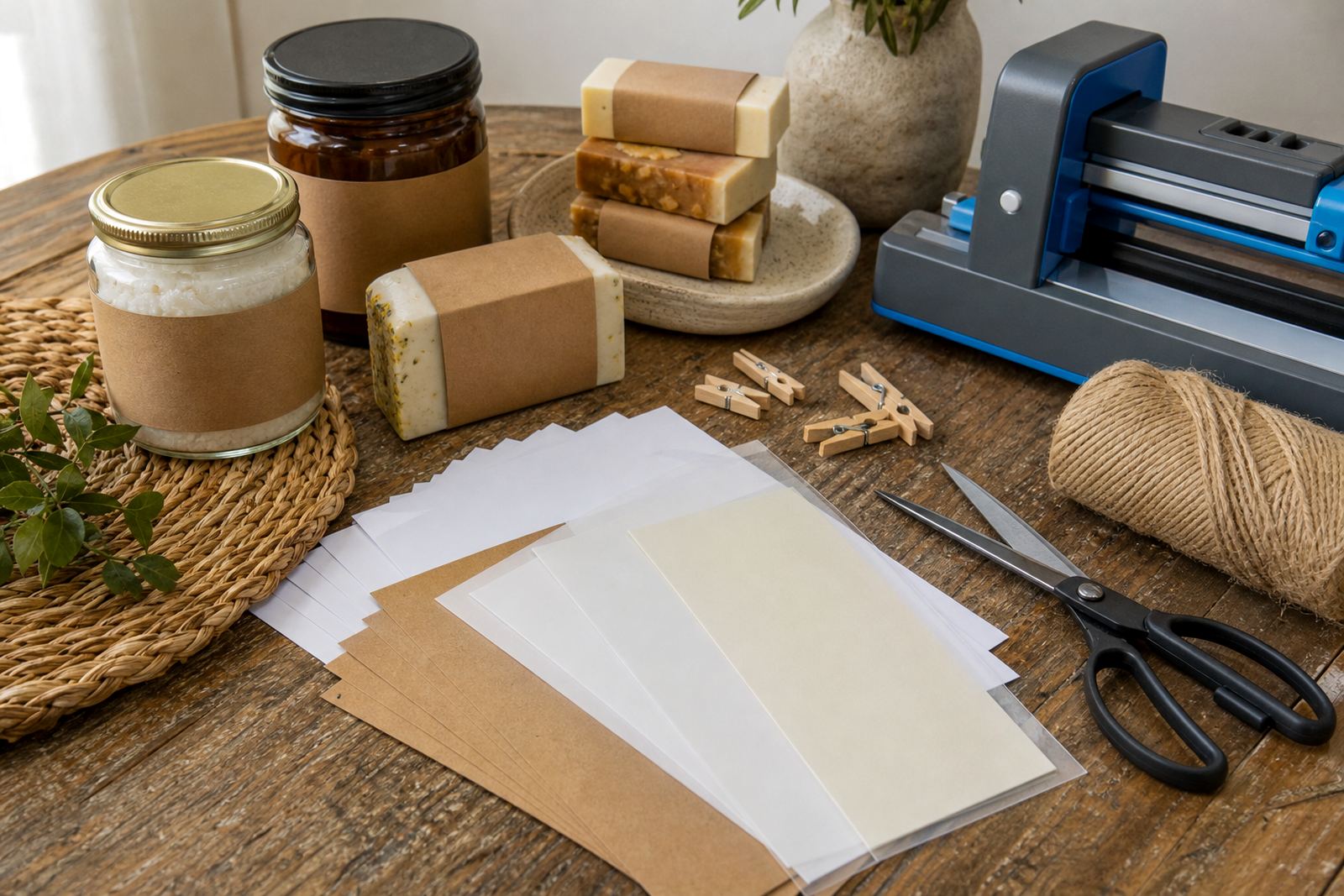
A natural paper label for homely packaging
Kraft label sheets are made for projects where the finish should look earthy and hand made, not glossy or bright. The brown paper tone gives pantry labels, gift tags and small business packaging a grounded look that suits soaps, preserves, candles, biscuits and home organisation around the kitchen or scullery.
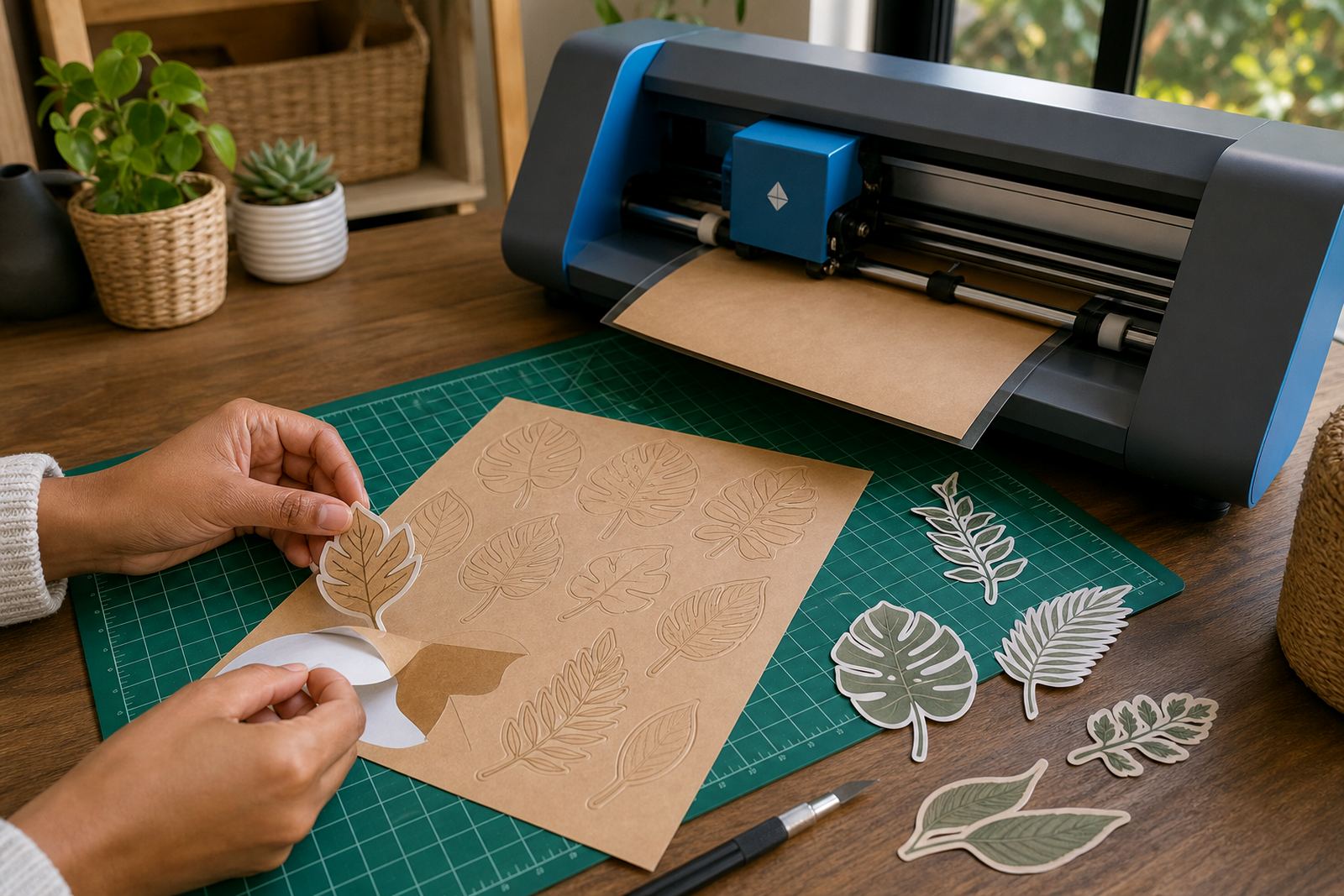
These sheets are supplied as printable label stock with an adhesive backing and a kraft face paper on top. They are used in ordinary benchtop printers that suit the sheet size, then cut by hand or with a craft cutter. The surface takes text, icons and simple artwork well, with a look that stays neat on tin, glass, cardboard and sealed plastic containers.
- Natural kraft paper face with adhesive backing
- Suited to pantry jars, gift packs and homemade product labels
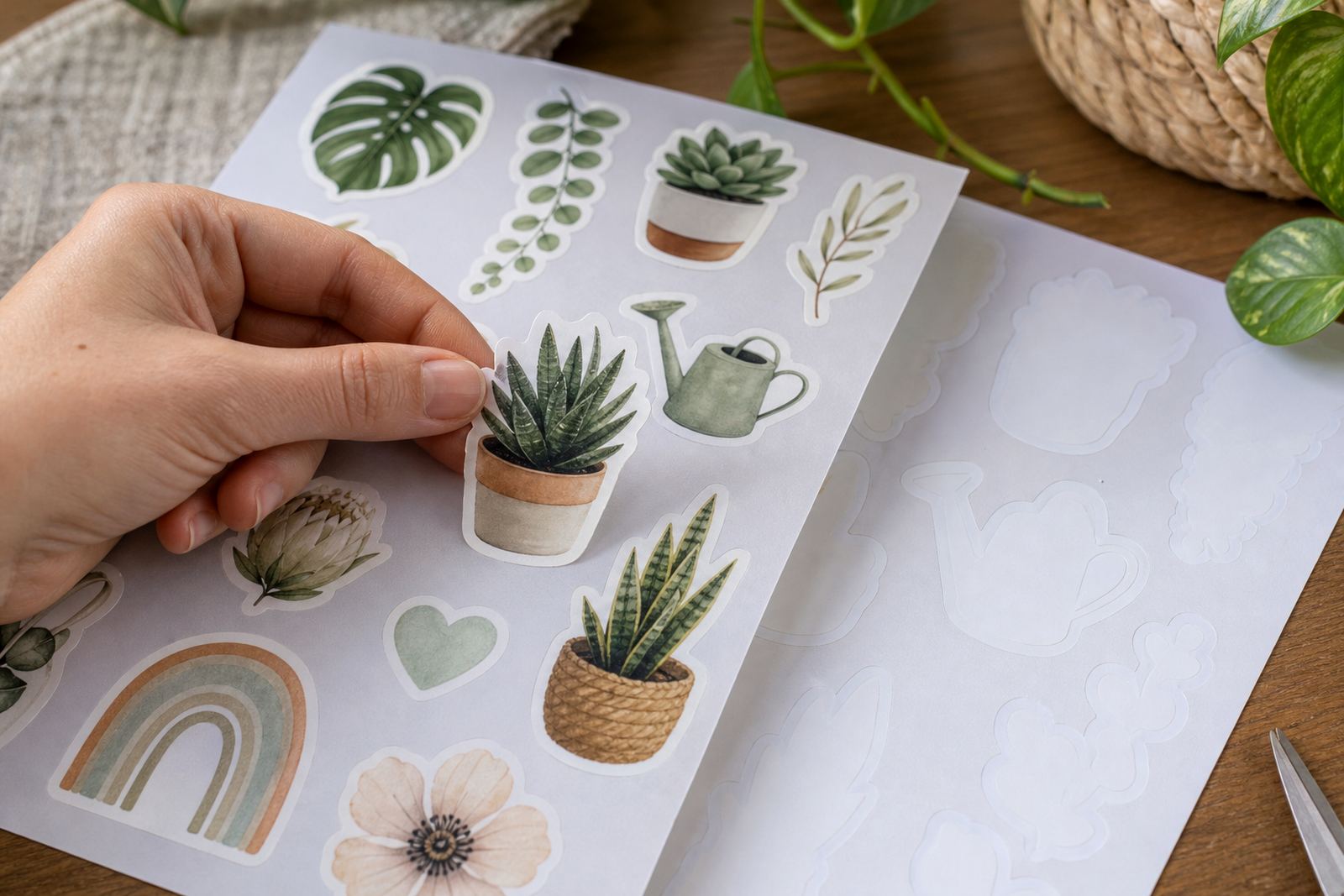
- Works for single labels or full sheet layouts
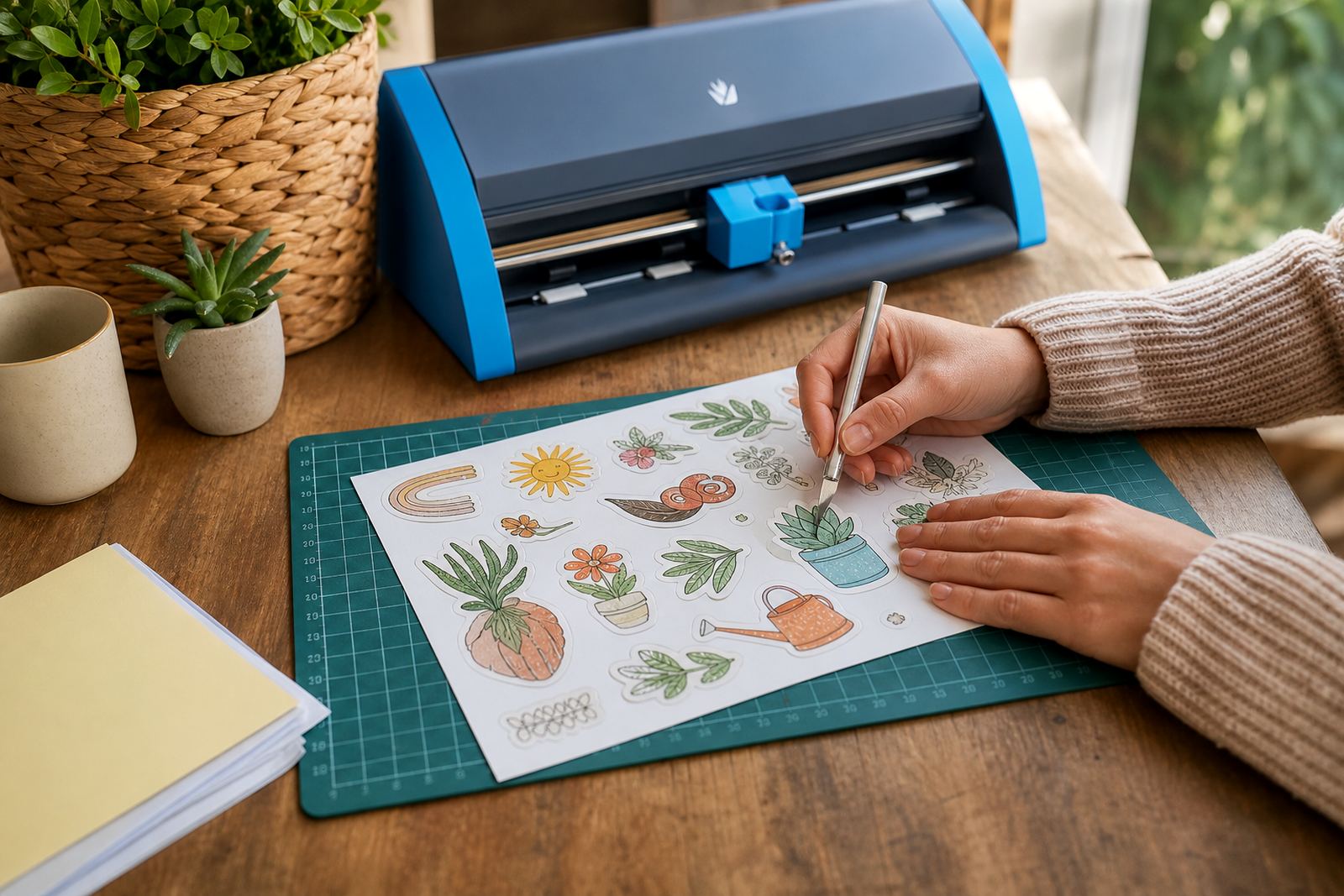
- Can be cut with scissors, a craft knife or a digital cutter
Sheet sizes and layout options for local makers
Order choices usually include popular office sheet formats and craft sheet layouts, depending on the printer tray and the cutting method you use. A4 sheets are the most common for home printers and small studio work, while other sizes may suit short labels, wrap labels or mixed artwork pages. When the sheet is chosen to match the printer feed, handling becomes cleaner and the print path stays more predictable.
For home makers in Durbanville, Cape Town and nearby areas, sheet size matters when labels need to fit a set jar style or a standard storage box. A layout with enough white space between shapes helps with easy cutting and keeps the adhesive edges tidy after trimming. For bigger batches, a repeated layout on the page saves time and keeps the labels uniform.
- A4 format for common inkjet and laser printers
- Layout space for circles, rectangles, ovals and custom cuts
- Suitable for short runs and repeated pantry sets
- Space between labels helps with hand cutting and craft cutters
Printer match, colour handling and print finish
Kraft label sheets can be used on inkjet or laser printers when the stock is matched to the printer type. Inkjet printing suits home studios that need strong colour and small text, while laser printing can suit quicker jobs with sharp block text and simple graphics. The kraft surface changes the colour result a little, so pale shades, soft creams and very light tints often print differently from how they appear on white stock.
Dark text, line art and bold icons usually show best on kraft paper, especially for pantry jars or gifting labels that need clear reading at a glance. If the artwork includes fine detail or a photo, a test sheet helps confirm how the image sits against the brown base. That step is useful for crafters working from Durban to Bloemfontein, where the same file may need small adjustments before the full run is printed.
- Inkjet compatible kraft label sheets for home and studio printing
- Laser compatible options for toner based printing
- Best results often come from bold text and stronger artwork
- Colour testing helps with soft shades on brown paper
Where kraft labels feel at home
This product suits pantry labelling, homemade gifts, hobby packaging and neat storage around the house. It also works well for small craft stalls, school projects and personal hampers where the packaging should look warm rather than polished in a commercial way. The kraft look fits dried goods, tea jars, spice tins, soap wraps and seasonal gift boxes without feeling out of place.
For kitchens in coastal parts of Cape Town, the label choice is often about keeping a calm look on glass jars and canisters while still making the contents easy to name. In drier inland homes, the same sheets work on office tubs, toy baskets and stationery boxes, especially where the labels need to blend with wood, rattan or cardboard. The finish has a plain, useful feel that suits practical homemaking.
- Pantry jars, spice bottles and dry goods containers
- Homemade gift boxes, treat bags and hampers
- Soap wraps, candle jars and craft stall packaging
- Storage bins, files and household organisers
Cutting, sticking and neat application
These sheets can be trimmed by hand with scissors or a craft knife, and they also work with many cutter setups that read basic cut lines. When using a craft cutter, clean registration marks and sharp blade settings help keep edges neat, especially on smaller text labels. For hand cutting, a metal ruler and a steady surface make long strips and straight labels far easier to finish cleanly.
Before sticking a label, the surface should be dry and free of dust or oil so the adhesive sits evenly. Glass jars, plastic tubs and metal tins usually take the label well when they are wiped down first. On curved containers, press from the centre outward and smooth slowly so the paper does not lift at the edge. A careful touch matters more than force, especially on narrow labels with corners.
- Hand cutting with scissors, craft knife or trimmer
- Compatible with many craft cutters using cut lines
- Apply to dry, clean surfaces for a tidy bond
- Press from the centre outward on curved jars
Storage and care in South African homes
Printable kraft labels keep their best shape when stored flat in a cool, dry place, away from damp cupboards and direct sun. In humid coastal rooms, sealed storage helps prevent curling, and that matters for homes around Durban and the Cape coast where moisture can creep into paper stock. A resealable sleeve or box works well for keeping edges crisp until the sheet is needed.
After printing, allow the ink or toner to settle before cutting or handling the page too much. Finished labels should be pressed onto a clean surface and left in place before the container is washed or wiped heavily. For pantry jars that are handled often, it helps to keep them away from standing water and rough scrubbing. That keeps the print looking tidy for longer without making the job fussy.
- Store flat in a dry cupboard or sealed sleeve
- Avoid damp storage areas and strong direct sun
- Let printed sheets settle before cutting
- Wipe labelled containers gently rather than scrubbing hard
Details to confirm before ordering your sheets
When ordering kraft label sheets online, it helps to confirm the printer type first, along with the sheet size your machine accepts. The cut shape matters too, because a round pantry label, a narrow name strip and a gift tag all need different spacing on the page. If you plan to print in bulk, it is useful to check whether you need full sheet coverage or a layout with multiple smaller labels.
Also check whether the label will be used on glass, paperboard, plastic or tins, because the application surface shapes the final look. For projects that need a handwritten finish, kraft stock pairs well with dark ink and simple lettering. For printed artwork, make sure the file matches the sheet size so the margins, bleed and cutting lines sit where they should.
- Printer type: inkjet or laser
- Sheet size and feed direction
- Label shape and number per sheet
- Surface type for the final application
- Artwork size, margins and cut lines
Key facts
| Product type | Printable kraft label sheets |
|---|---|
| Finish | Natural kraft paper look with a matte feel |
| Printer compatibility | Inkjet and laser options available |
| Common sheet size | A4, with other layout options depending on stock |
| Cutting methods | Hand cutting or craft cutter |
| Best uses | Pantry jars, gifts, soaps, storage and handmade packaging |