
Labels That Hold Up In Busy Kitchens
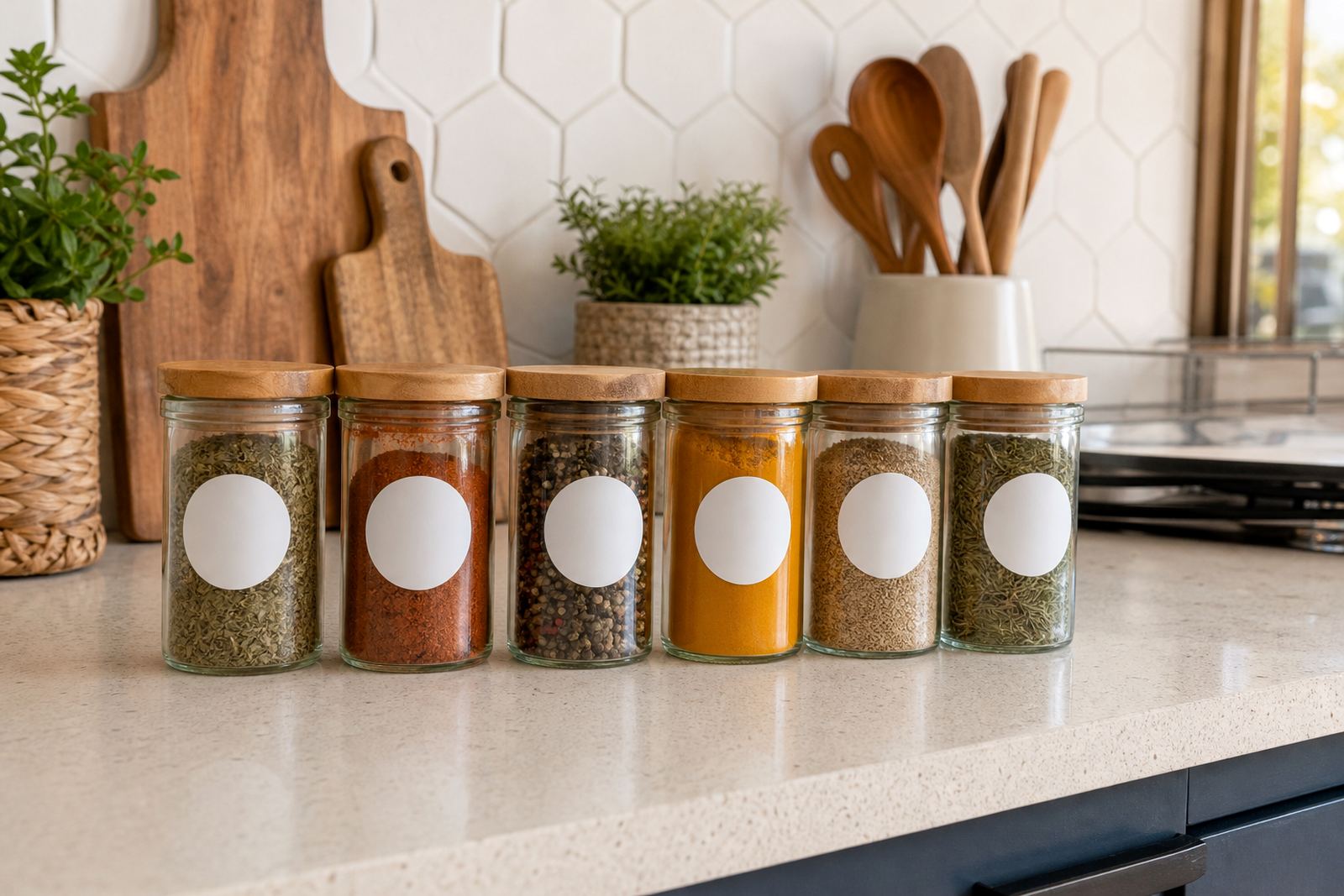
Kitchen labels are one of the most common uses for printable sticker paper, especially when jars, tins and containers need a clear system. Matte sheets suit a soft written look, gloss gives sharper colour on bright graphics, and clear film works well where the container colour should show through. For jars that may be handled often, vinyl options are a sensible choice because they cope better with frequent wiping. In humid coastal homes around Durban and Cape Town, a careful press-down on clean, dry surfaces helps the label stay neat.
- Dry jars fully before applying labels
- Leave edges smooth so water does not lift them
- Use darker text for small pantry containers
- Allow fresh prints to settle before heavy handling
Home Organisation For Shelves, Files And Storage Tubs
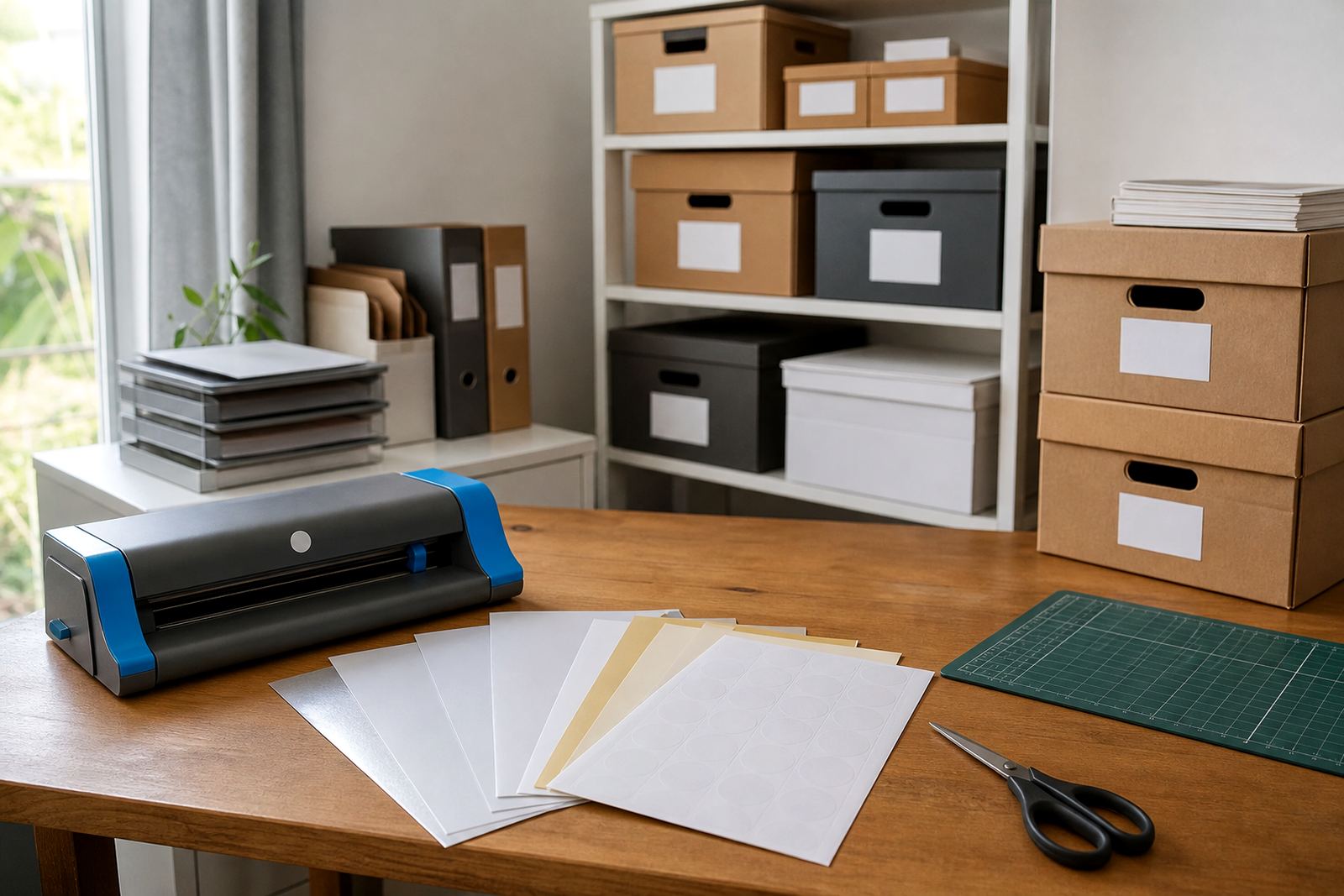
Home organisation projects often need labels that are easy to read from a short distance and simple to replace when contents change. Printable sticker paper can mark storage tubs, linen baskets, toy boxes and file holders, with matte sheets giving a calm finish and gloss giving stronger colour contrast. Kraft paper suits a more natural look, especially for homes that use plain boxes, woven baskets or recycled storage. For a clean result, keep the layout plain and let the label shape do the work, not too many fonts or colours.
- Use larger text for items stored on high shelves
- Round or square corners can help labels last longer
- Match the finish to the room and container surface
- Keep a small test strip for checking readability
Gifts, Favours And Personal Touches
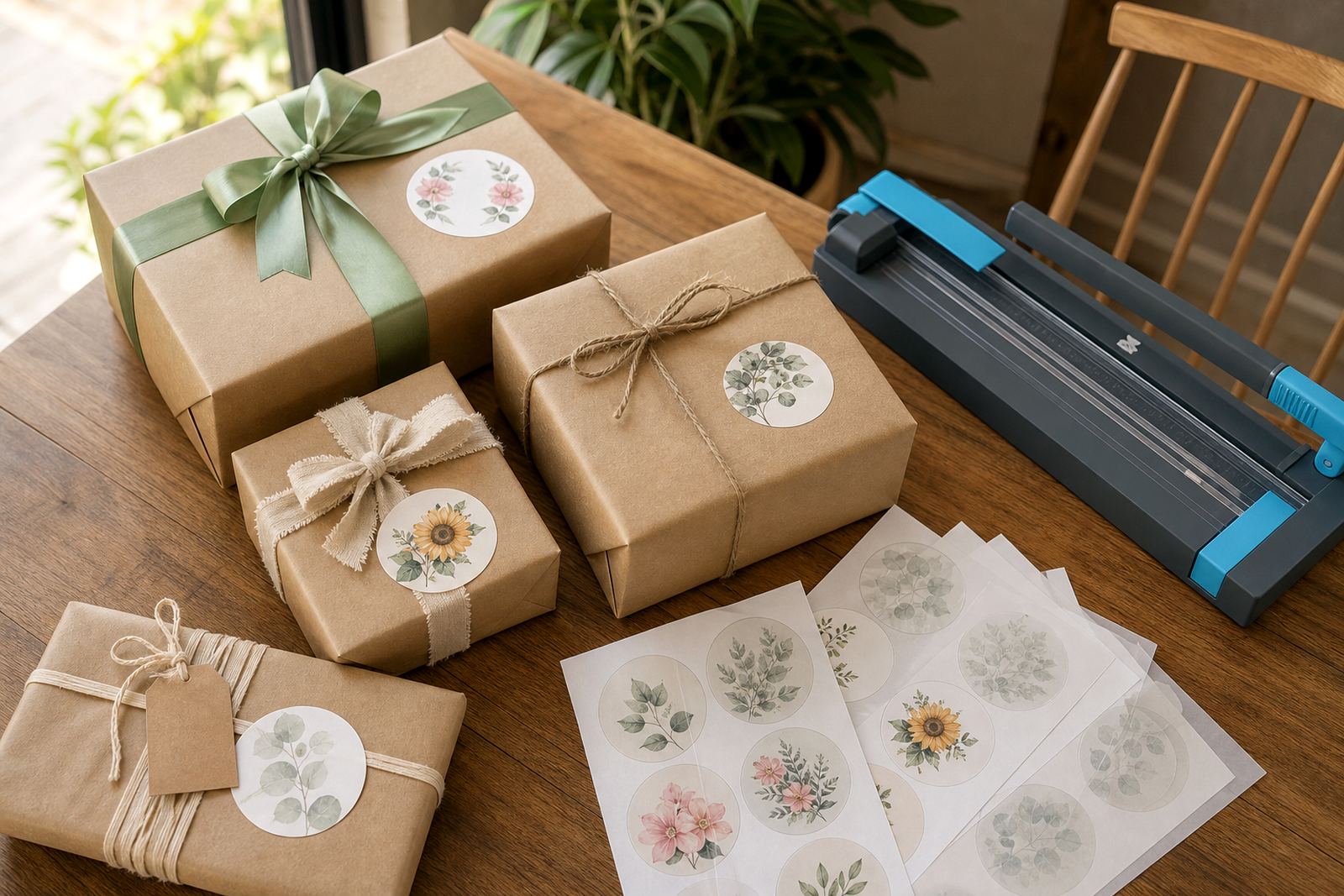
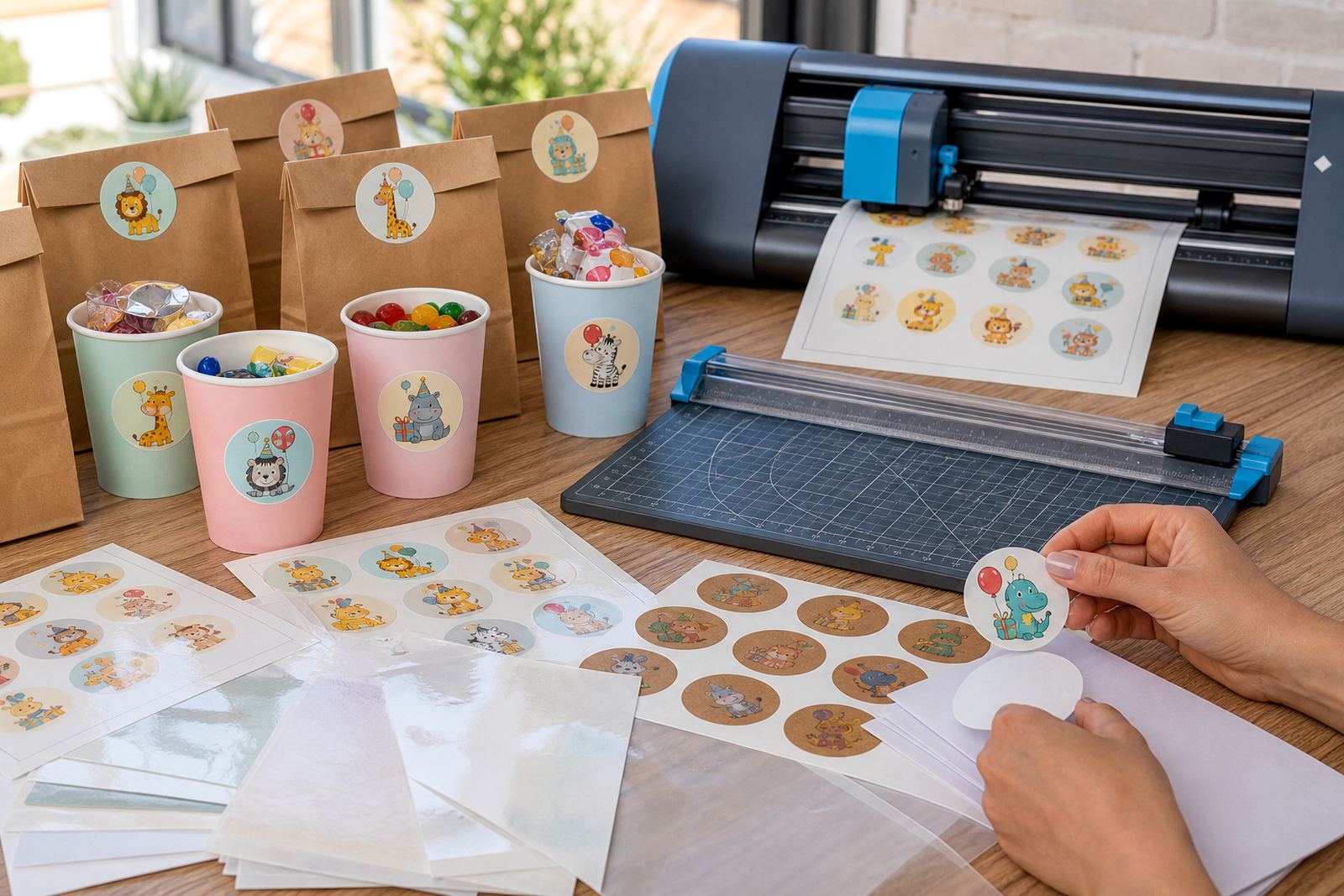
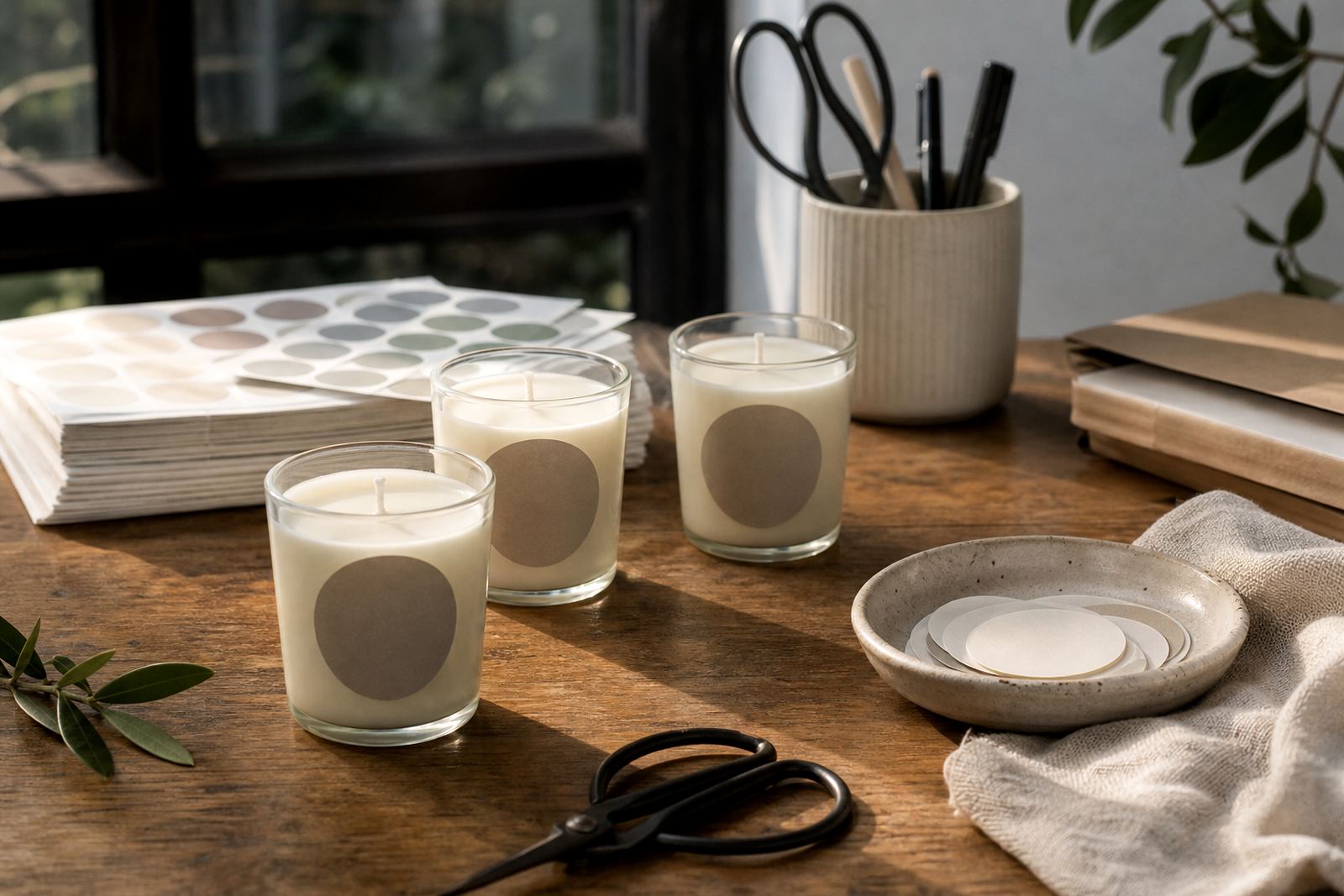
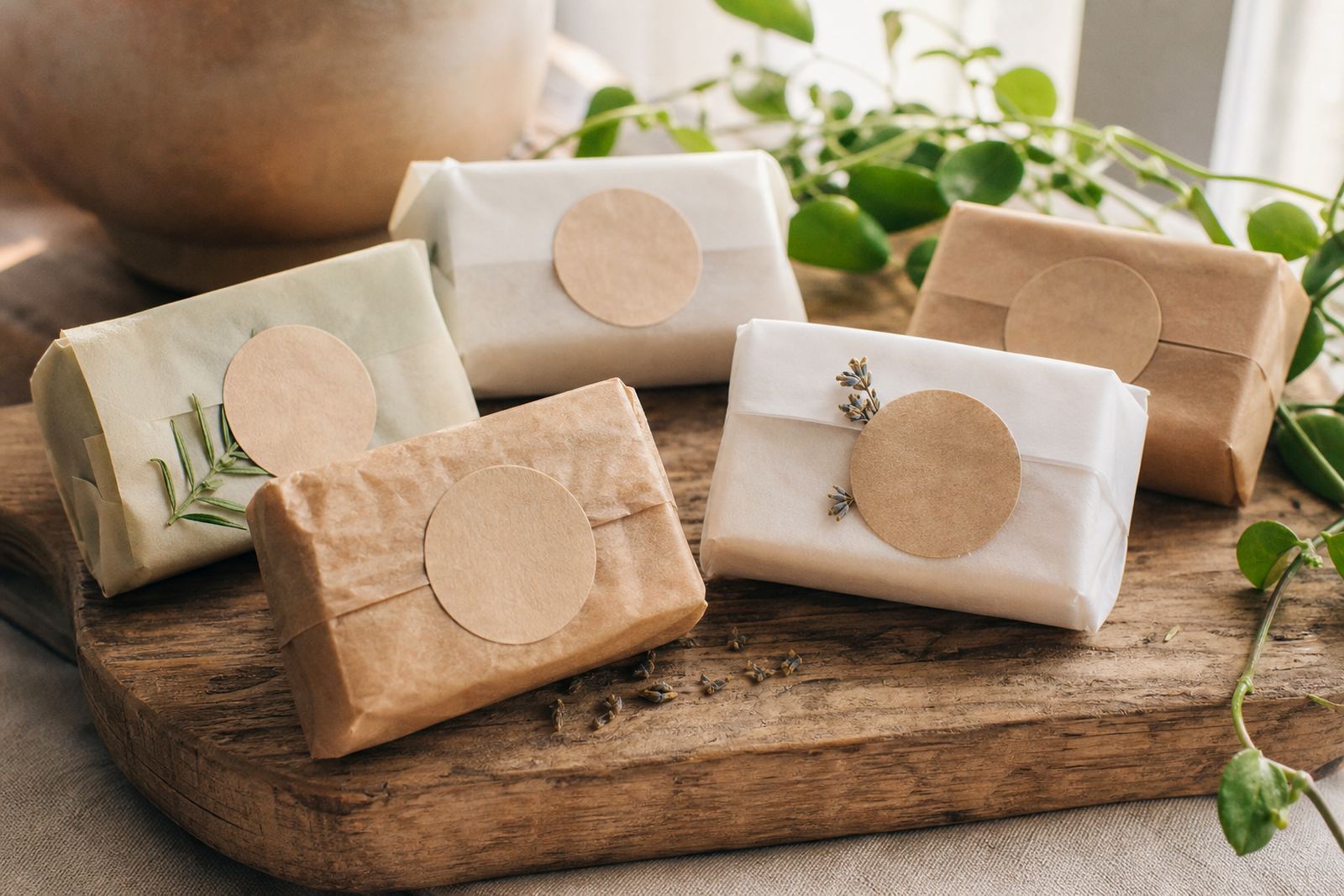
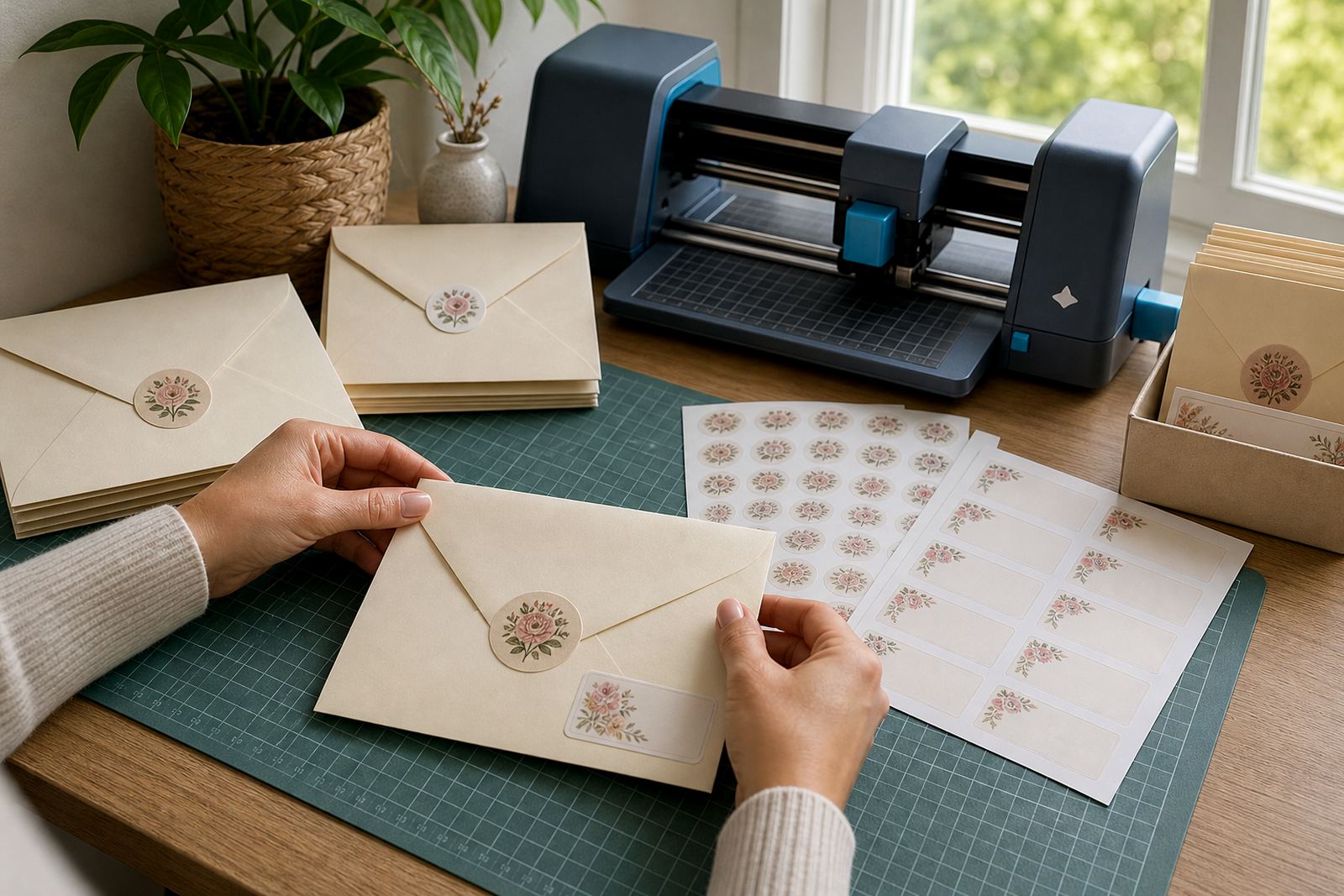
Printed stickers also fit gift wrapping, party bags and small personalised items for birthdays, showers and seasonal gatherings. Clear sheets can place a design over coloured paper, while gloss suits bright artwork and photo-style graphics. Kraft works well for handmade tags and rustic packaging, especially where a warm brown base complements twine or plain wrapping. When the final item is handled often, vinyl or a heavier sticker stock can be a better fit than a light decorative sheet.
Personal touches do not need to be complicated, and a few well placed stickers can finish a box or packet neatly. If the design includes names, dates or short messages, keep the lettering bold enough to remain readable after trimming. A small slip in alignment is easy to notice on gift work, so careful cutting and steady placement helps the final piece look tidy.
School, Craft Room And Project Table Uses
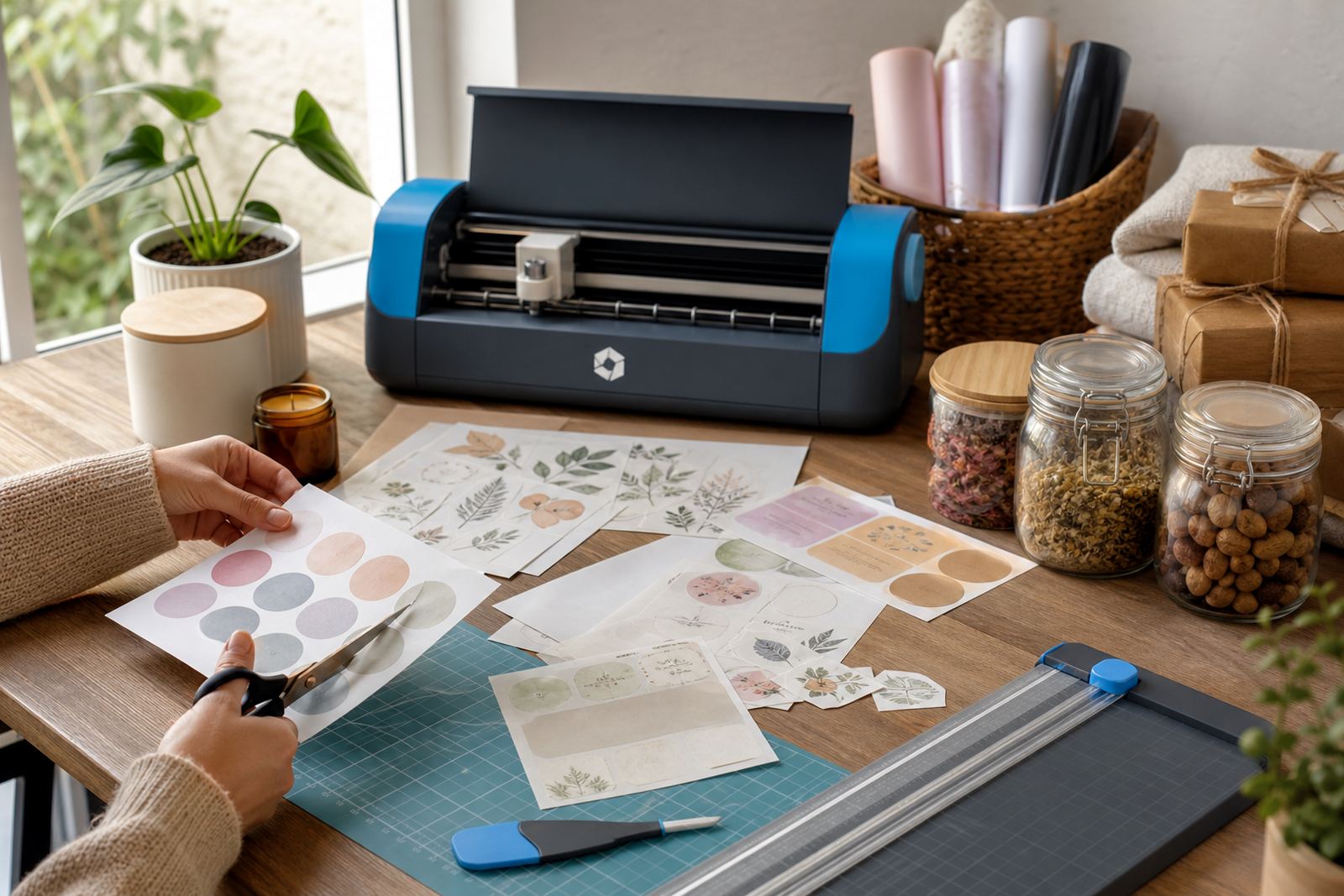
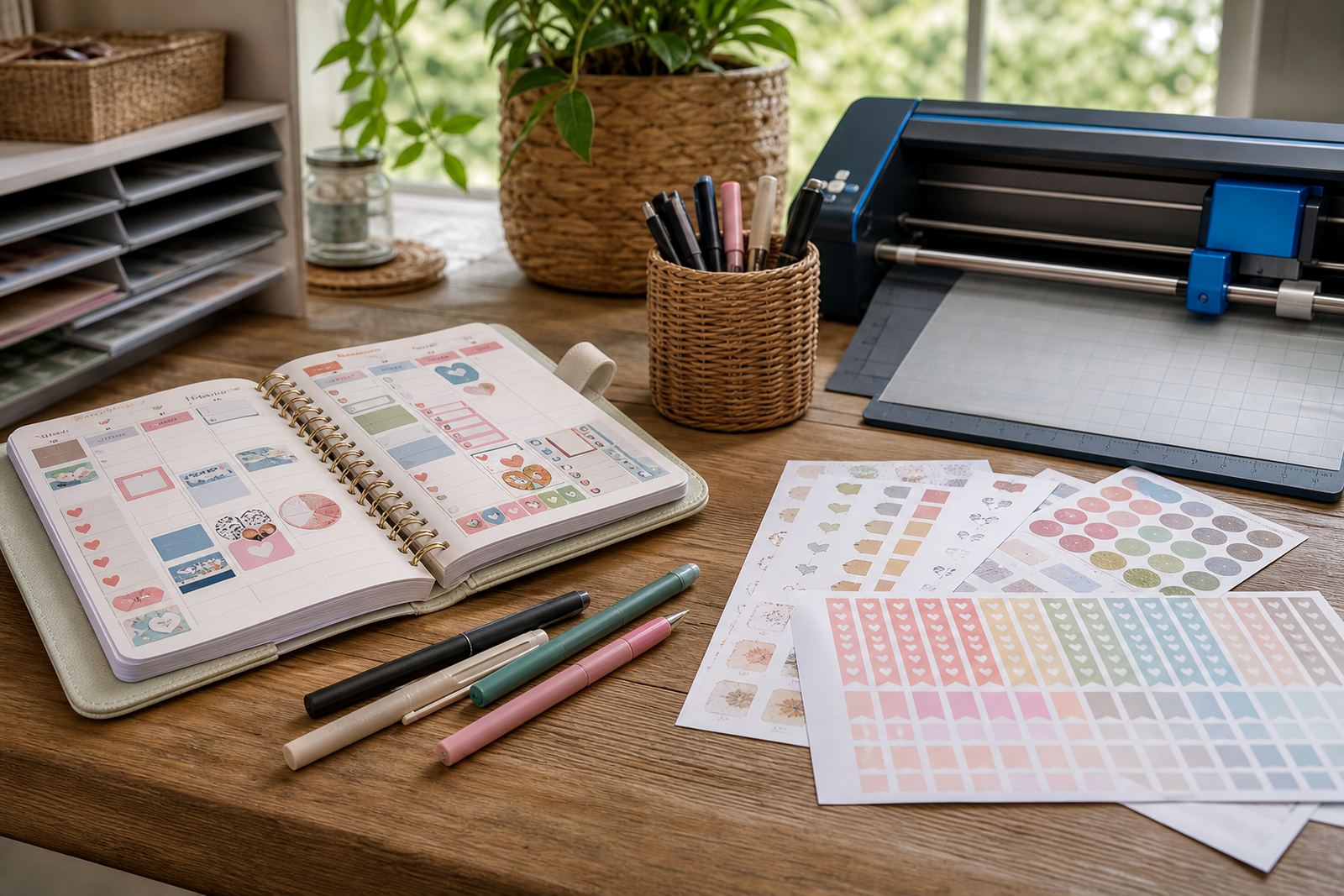
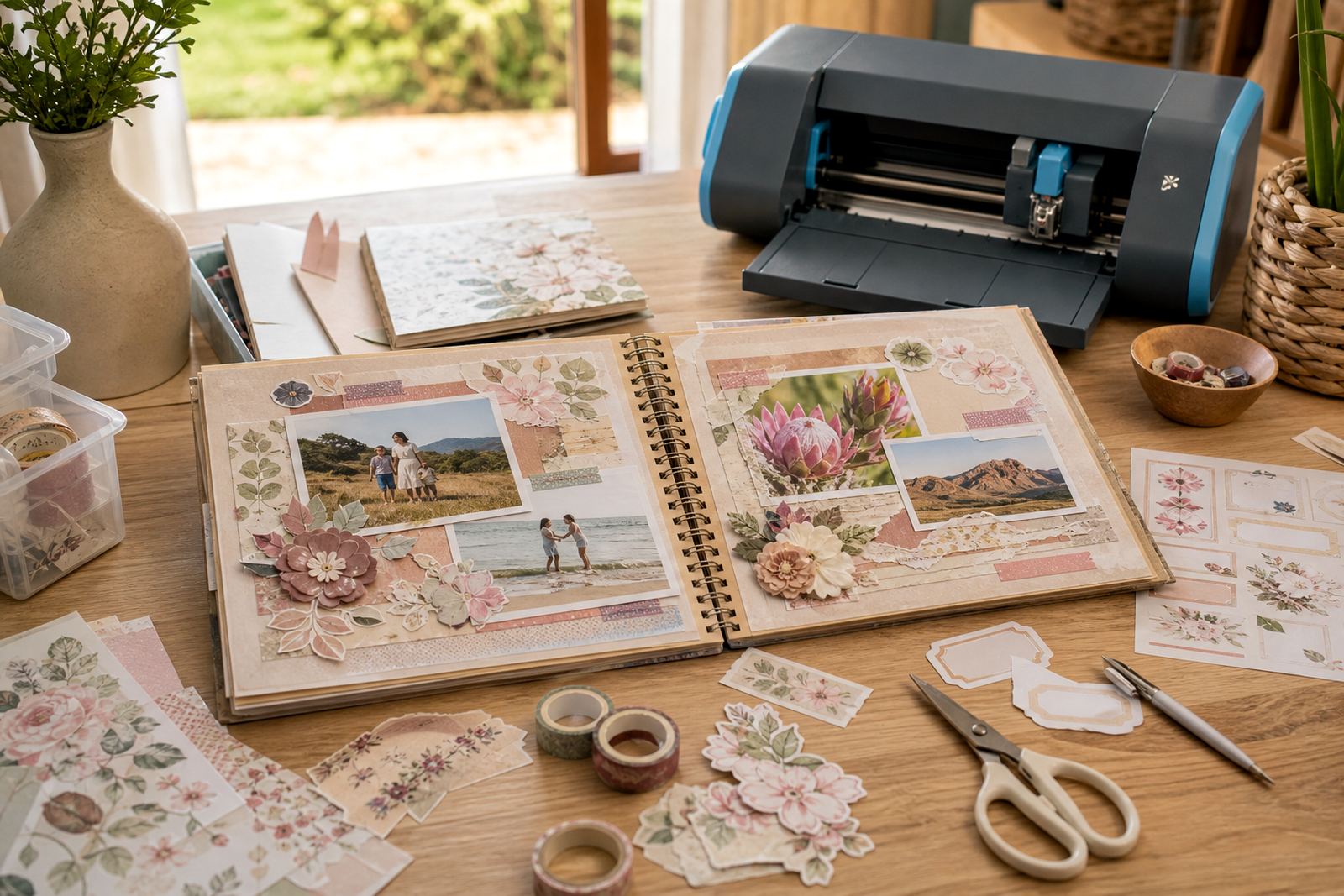
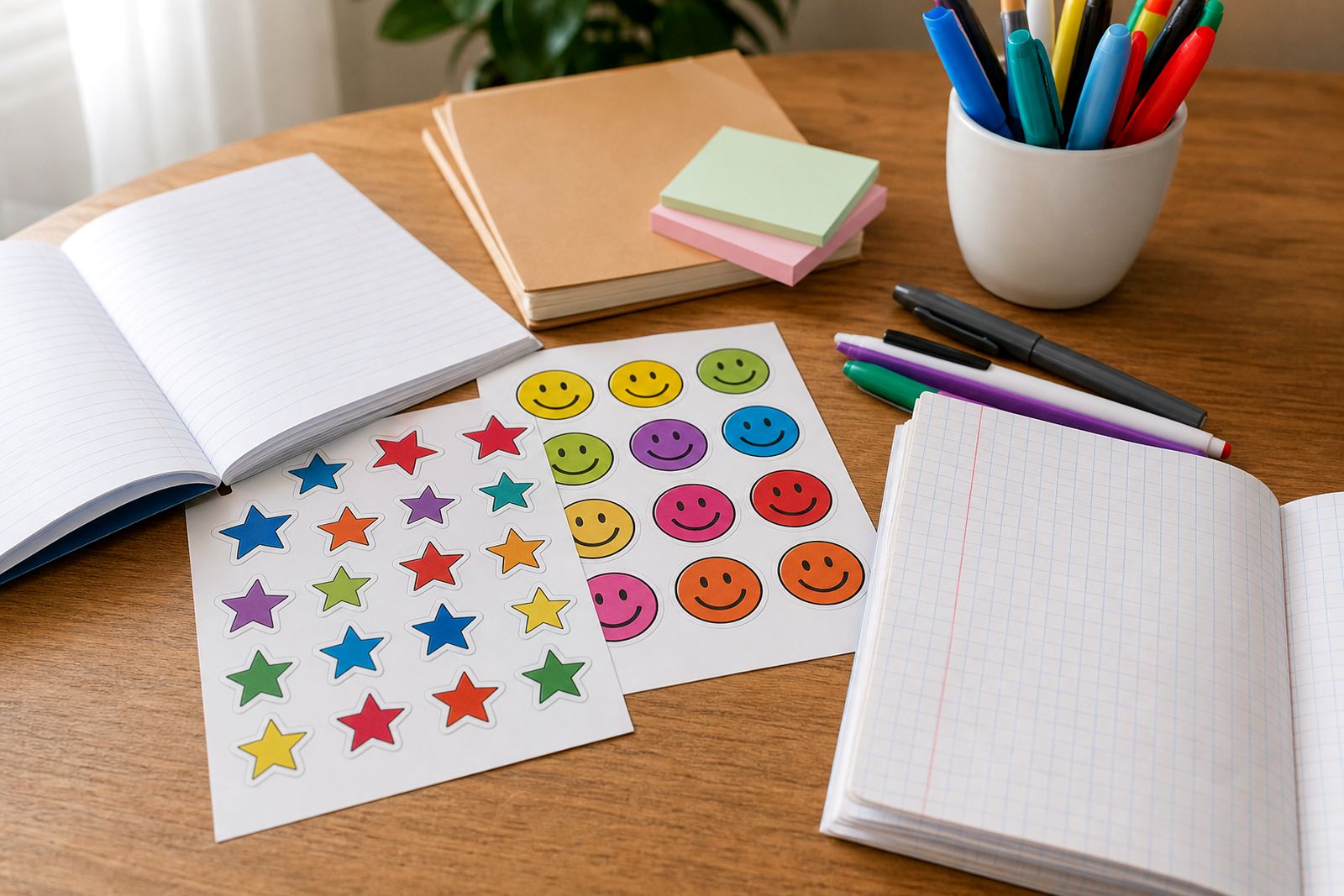
For children’s projects, scrapbook pages and classroom-style folders, printable sticker paper gives makers a way to add colour without a lot of extra material. Matte sheets are easier to write on with many pens once printed, while gloss gives a brighter surface for decorative stickers and themed sets. Craft cutters can handle repeat shapes well, although hand cutting still works for simple labels, borders and one-off designs. Sheets should be stored flat and kept away from dust, because curled edges can affect feeding through a printer.
- Use a test print before cutting a full sheet
- Keep paper edges square for smoother feeding
- Match cutter settings to the thickness of the sheet
- Let prints dry fully before trimming or stacking
Printer Matchups For Cleaner Results
Inkjet and laser printers can both work with printable sticker paper, but the sheet type needs to suit the printer and the job. Inkjet printing often gives rich colour for craft designs, while laser printing can be useful where the printed sheet will be handled soon after output. Clear and gloss finishes usually need a bit more care during printing, because the surface can show smudges if the sheet is touched too early. Printer settings matter too, and a proper paper choice helps reduce paper jams and rough feeding.
If a sheet is too light for the printer path, it can curl or shift, especially on repeated runs. That is why matching the format to the printer is worth the attention, particularly for people printing in small batches at home or in a studio corner.
Cutting, Storage And Surface Care
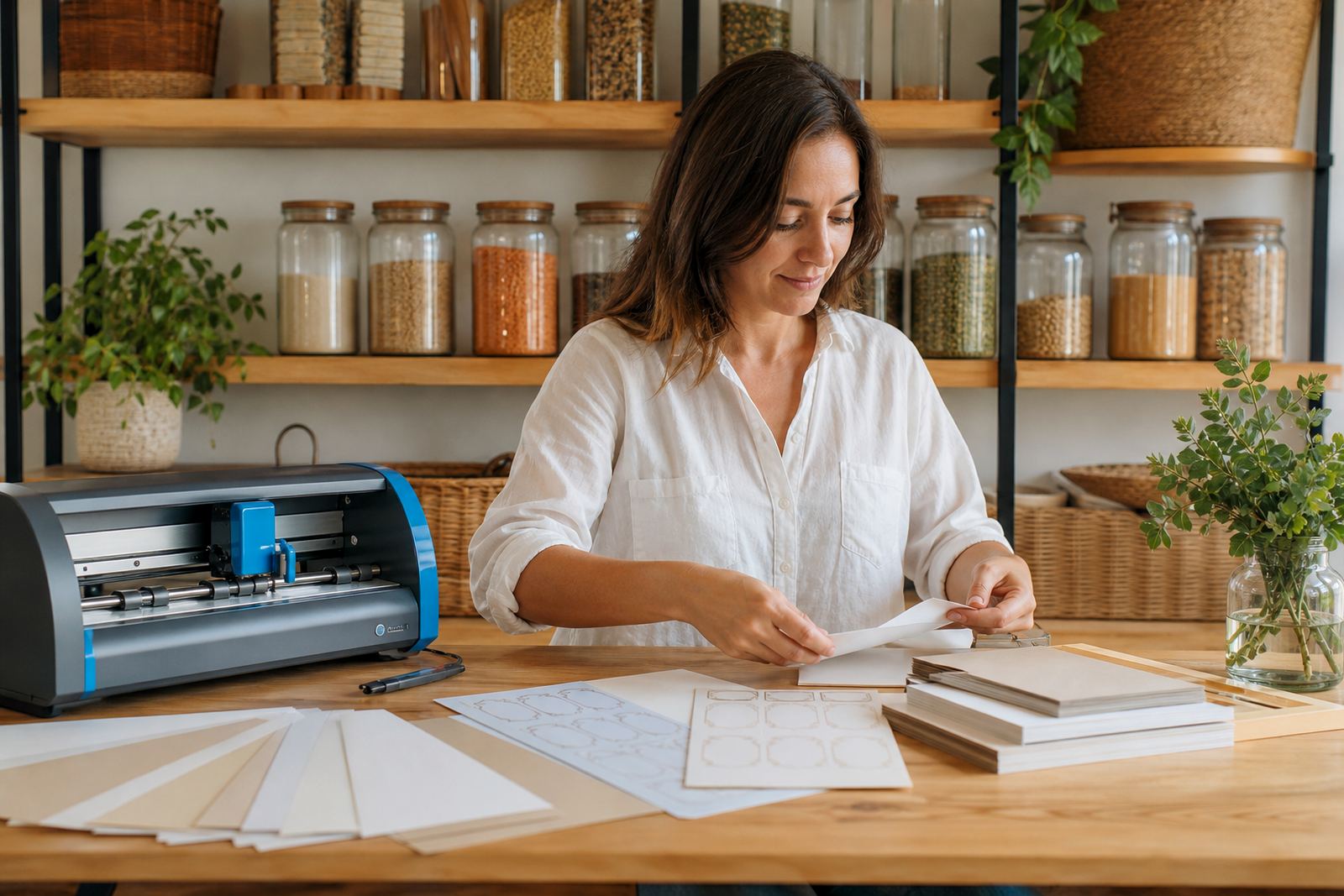
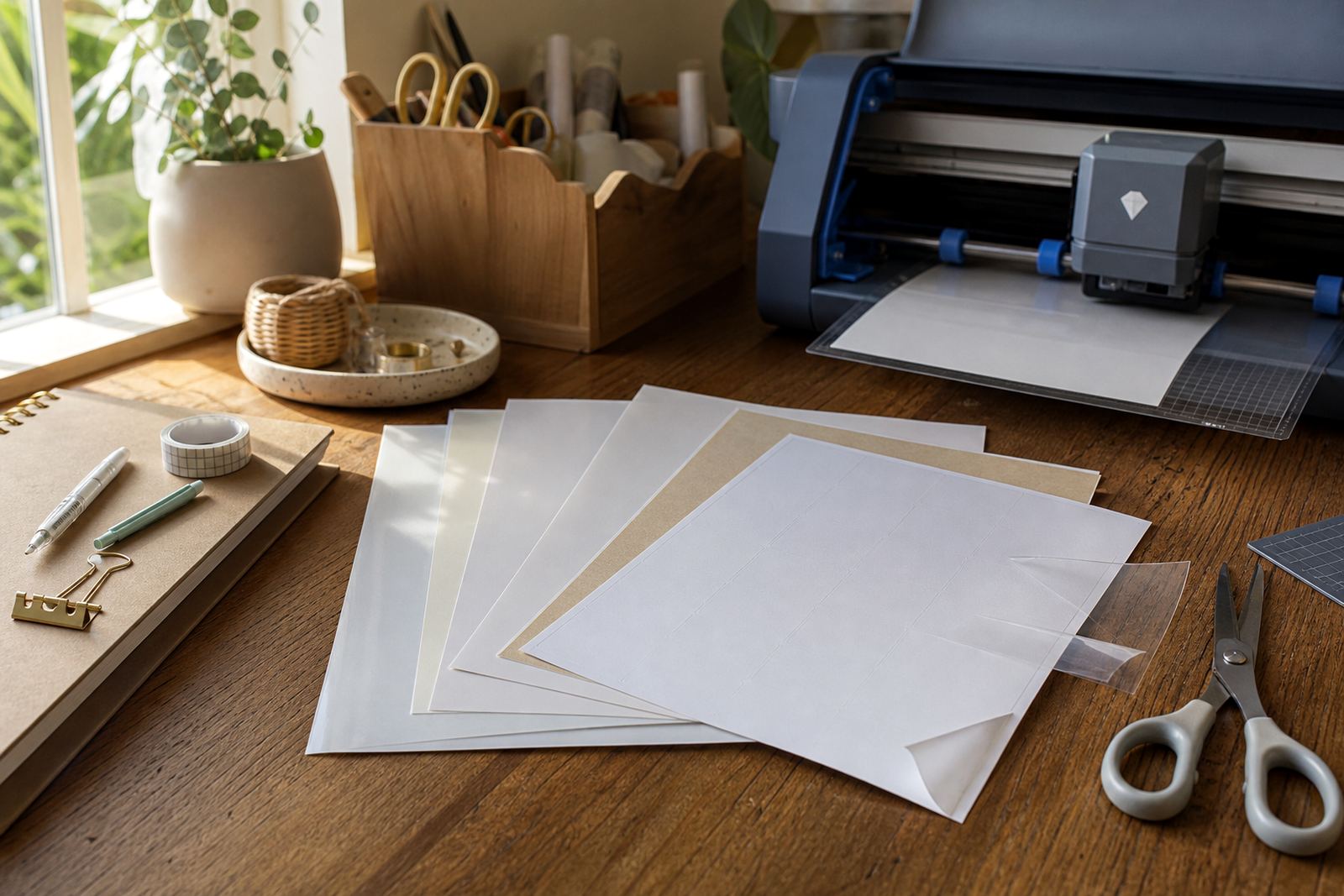
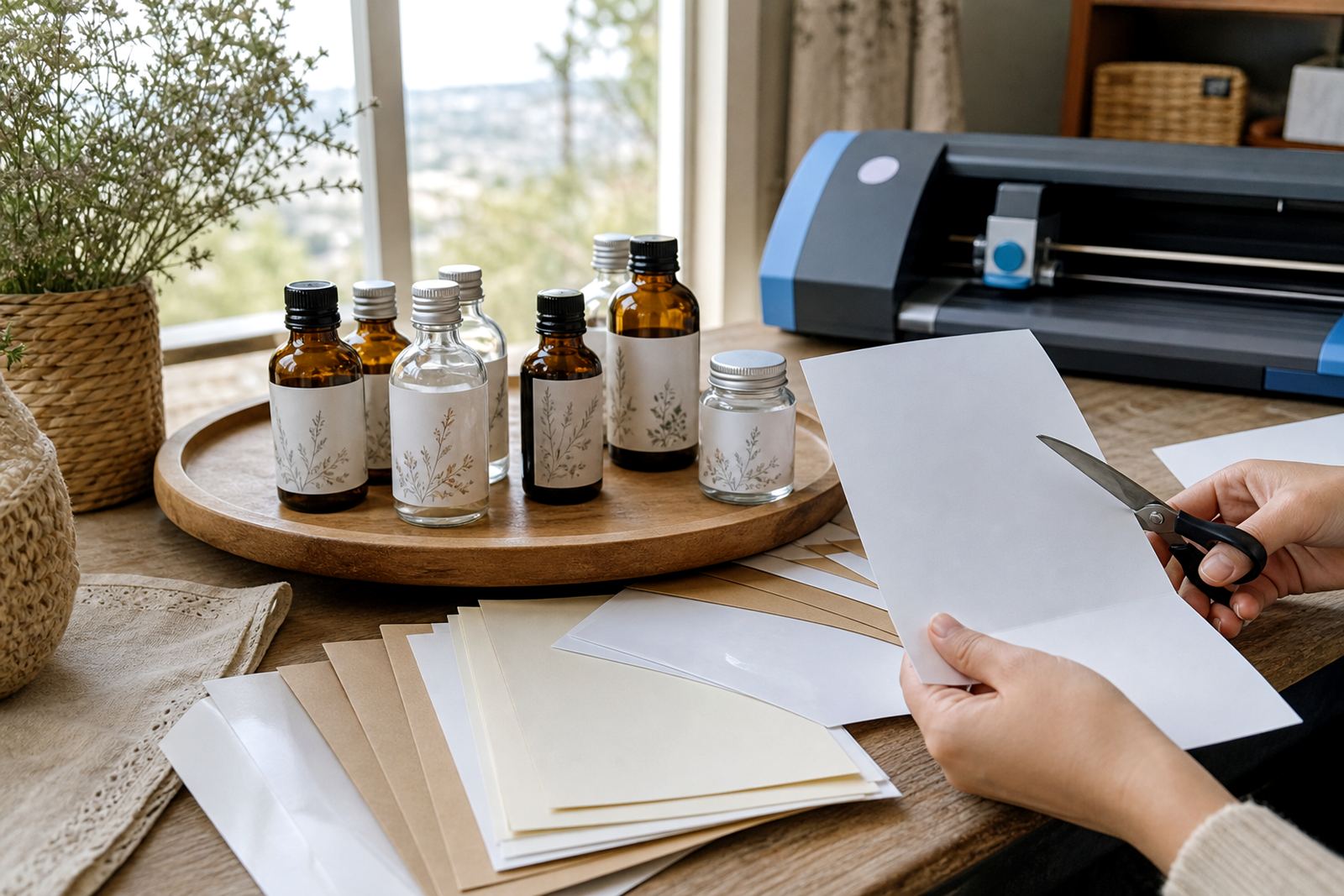
Once the design is printed, the next step is keeping the sheet flat, clean and ready for use. Hand cutting suits simple shapes and quick projects, while a craft cutter helps with repeated outlines, small text and detailed borders. Vinyl sheets are useful where a tougher surface is needed, and clear sheets work well when the aim is to let the background show through. For long term storage, keep sheets in a cool dry place and avoid stacking heavy items on top.
- Cut on a clean mat or stable table surface
- Store unused sheets flat inside their pack
- Keep printed sheets away from direct moisture
- Press stickers down from the centre outward
Good care makes the difference between a sticker that looks tidy and one that lifts at the corners. That matters whether the sheet is for a spice jar, a school project or a small batch of handmade gifts.