
A small art pack with a tidy finish
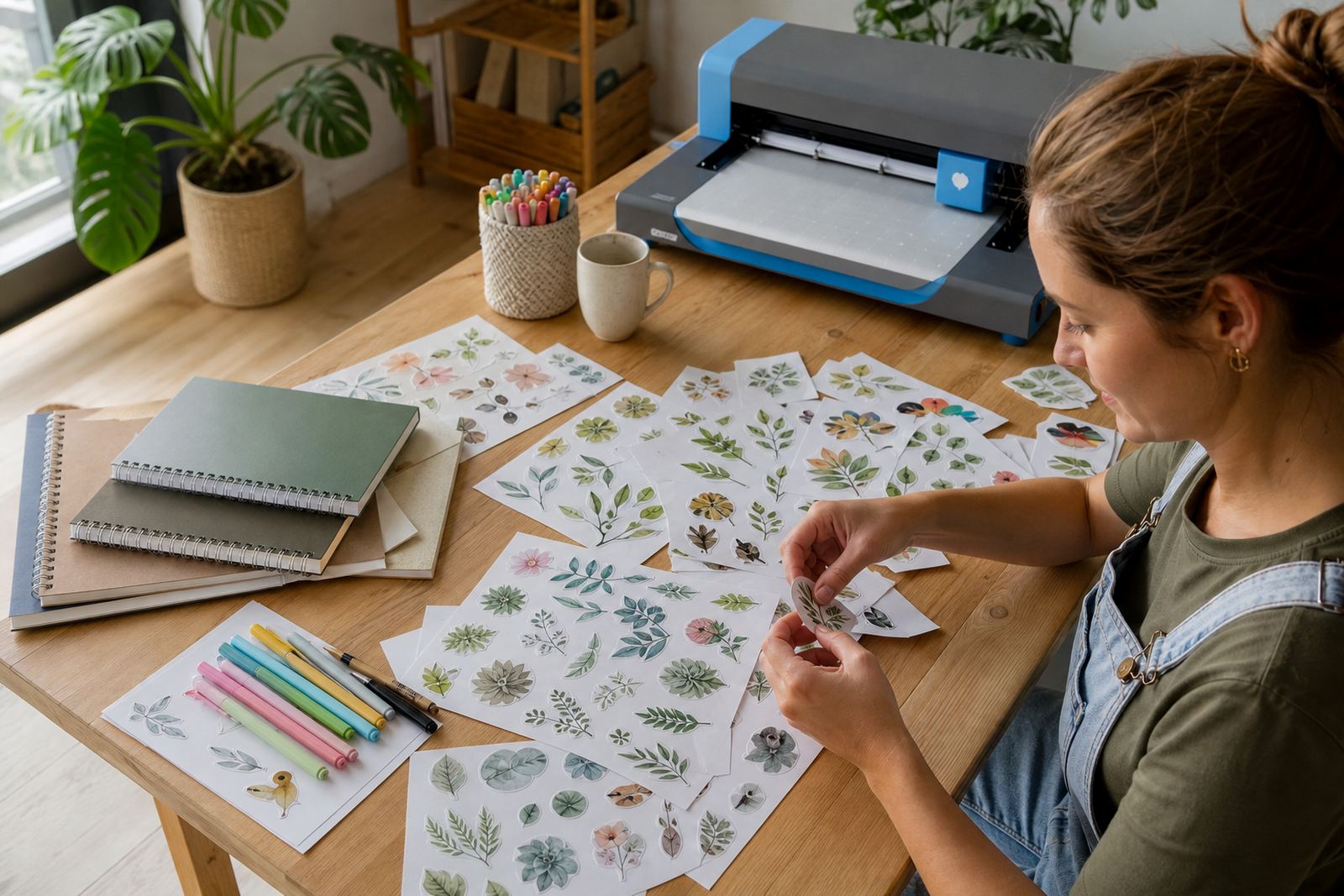
The brief came from a Paarl illustrator preparing art packs for local markets, online orders and small gift sets. The stickers needed to sit comfortably beside prints and cards, so the sheet finish had to look calm and the cut shape had to be clean enough for hand packing without extra trimming.
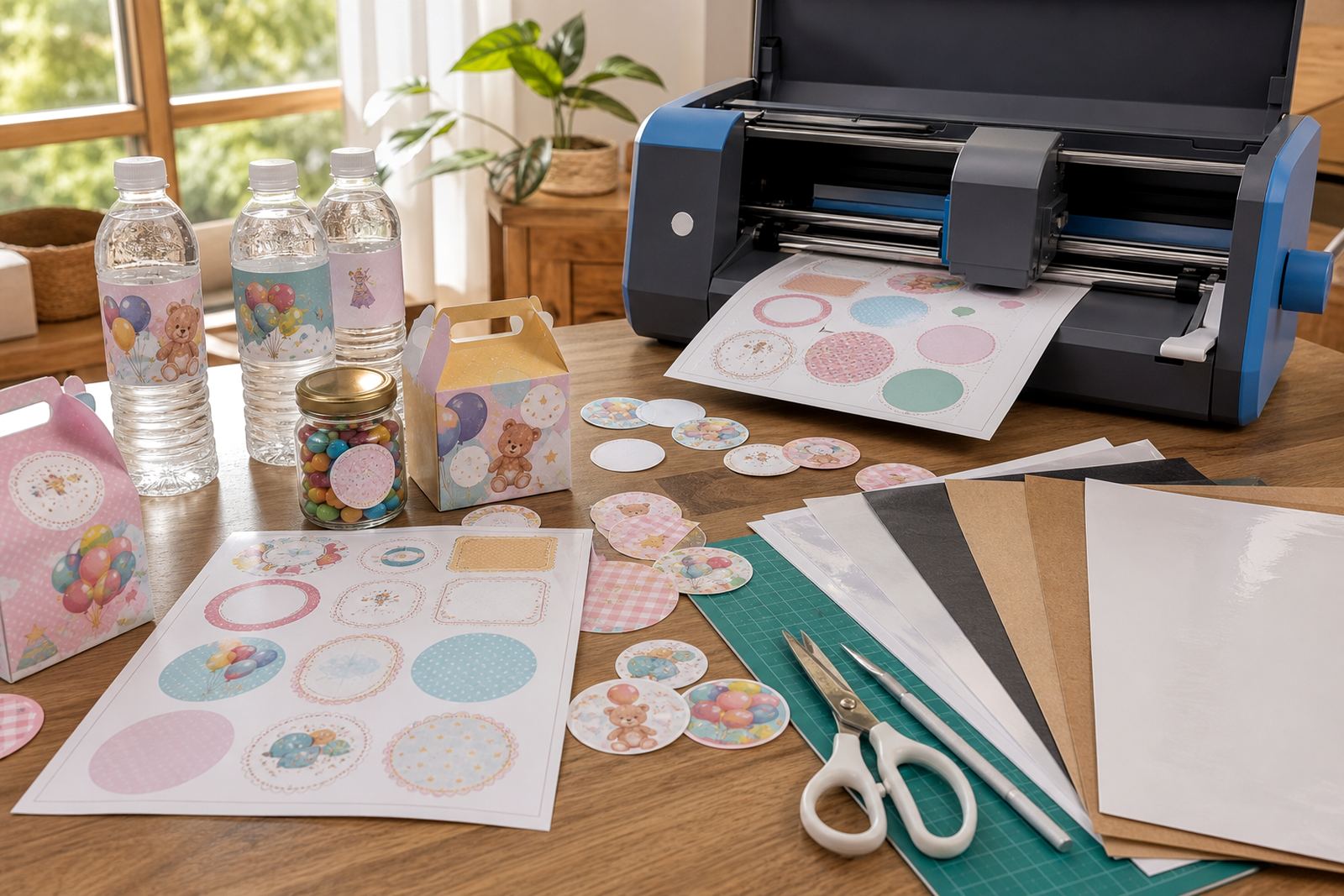
Matte printable sticker paper was the right base for the job. It gives a softer print surface than gloss, which suits line art, pastel blocks and layered illustration work. The illustrator wanted a finish that would not flash under indoor lighting and would still read clearly when the stickers were used on notebooks, envelopes and gift wrap.
- Project type: art sticker sheets for small packs
- Town: Paarl
- Print method: inkjet compatible sheet stock
- Cut method: machine cutting with fine detail paths
- Finish: matte for a low glare, paper feel
The material choices that shaped the run
The main constraint was keeping detail intact on small artwork while still giving the cutter enough control around narrow points and rounded edges. Some of the illustrations had thin stems, tiny hearts and short text marks, so the sheet needed a stable backing and a cut path that would not pull at the corners.
We guided the client toward a matte sheet for the first run, rather than gloss or clear film. Gloss can lift bright colour, but it also shows more reflection and can make small text harder to read in natural light. Clear stock works well for some labels, yet it was not the right feel for this art pack. Vinyl is more durable and suits heavier use, while kraft gives a more handmade look. For this project, matte paper matched the artwork best.
The illustration files were arranged to leave enough space between repeats, and the cut lines were kept simple where possible. That helped reduce waste on each sheet and made the cut sheets easier to stack for packing. The client also wanted the sheets to open cleanly from the backing, without tearing the artwork edge, so we paid attention to blade pressure and offset during the setup stage.
- Artwork style: small line art and flat colour blocks
- Cut detail: narrow points, rounded corners, small text elements
- Sheet aim: easy pack-out for short runs
- Surface choice: matte rather than reflective stock
Print setup and cutting for clean edges
The sheets were prepared for inkjet use because the colour build and illustration style suited that method well. Inkjet printing gives strong control over layered colour and fine line detail on sticker paper, especially when the artist needs gentle tones and crisp borders. The ink load was checked to keep the surface from looking heavy, and the file spacing was adjusted to limit smudge risk during handling.
The finished sheets were cut by machine rather than by hand. That choice kept each pack consistent and reduced the chance of uneven edges on the smaller motifs. Hand cutting still works well for simple shapes, but for this job the repeat count and the fine artwork made a cutter the better fit. The result was neater pack presentation and fewer rough edges at the outer border.
- Printing support: inkjet settings checked for colour and drying behaviour
- Cutting support: machine cut paths prepared for repeated shapes
- Edge handling: trimmed for pack consistency
- Use case: sticker sheets for art packs and gifts
We also set out practical notes for the client on sheet storage and sticker application. Flat storage matters with printable paper, especially in coastal air around the Cape and in homes where humidity can shift through the day. Keeping sheets in a clean sleeve or box helps reduce curl, dust marks and edge lift before use.
What the Paarl artist needed to watch during use
The client needed a sheet that would print well on a home setup and still keep the artwork looking sharp after cutting. We covered printer settings, colour test checks and smudge reduction tips so the artist could keep the run consistent from sheet to sheet. The material also needed to release neatly from the backing without folding at the tip of small shapes.
For the home maker and the illustrator alike, a printable sticker sheet only works well when the paper, ink and cut method are balanced. Too much ink can slow drying. Too little pressure can leave cut lines incomplete. A blade that is too deep can score the backing too heavily. We set the run up to avoid those faults and kept the edge quality steady through the full batch.
- Printer guidance for colour tests and dry handling
- Support for paper jams during home printing trials
- Notes for hand cutting where a cutter was not used
- Application guidance for flat, clean surfaces
Timeline, pack count and the final result
The job moved from brief to finished sheets over three weeks. The first week focused on file checks, material choice and cut shape planning. The second week covered test prints and cutter setup, with small adjustments to blade depth and spacing. The third week was used for the final output, pack assembly and dispatch planning.
The finished sticker sheets had a calm matte look, crisp artwork and clean borders that held together well in the pack. The illustrator could use them for small art bundles, thank-you extras and market table sales without spending extra time on manual trimming. The result felt handmade, but not rough. That balance suited the project very well and made the sheets easier to present beside other printed pieces.
- Timeline: 3 weeks end to end
- Output: machine-cut matte sticker sheets
- Use: small art packs and gift bundles
- Result: cleaner pack presentation and easier handling
What we would carry into a similar Paarl run
We would keep the same matte base for art packs with line work and soft colour, because it handles that style neatly. For a similar project, we would also leave generous spacing around small motifs from the start, which keeps machine cutting more predictable and saves time during finishing.
For Cape Town and Paarl customers working with printable sheets, the most useful choices are often the practical ones. Match the finish to the artwork, keep the cut path simple where possible and store the sheets flat until use. That approach gives the best chance of getting tidy packs with less handling trouble, and the end result stays consistent across the batch.
StickerPaper supplies printable sticker paper for crafters and home makers across South Africa, with delivery into Cape Town, Johannesburg, Durban, Pretoria and Bloemfontein, as well as surrounding towns such as Stellenbosch and Paarl. Clients reach the team through the enquiry form on the contact page when they need printer setting help, inkjet printing help, laser printing help, clear sheet help, vinyl sheet help or practical guidance on cutting and application.
Key facts
| Client type | Paarl illustrator preparing small art packs |
|---|---|
| Product supplied | Matte printable sticker paper |
| Print compatibility | Inkjet compatible |
| Cut method | Machine cut with fine detail paths |
| Timeline | 3 weeks |
| Use case | Small sticker sheets for art packs and gifts |