A vinyl sheet that holds colour without feeling stiff
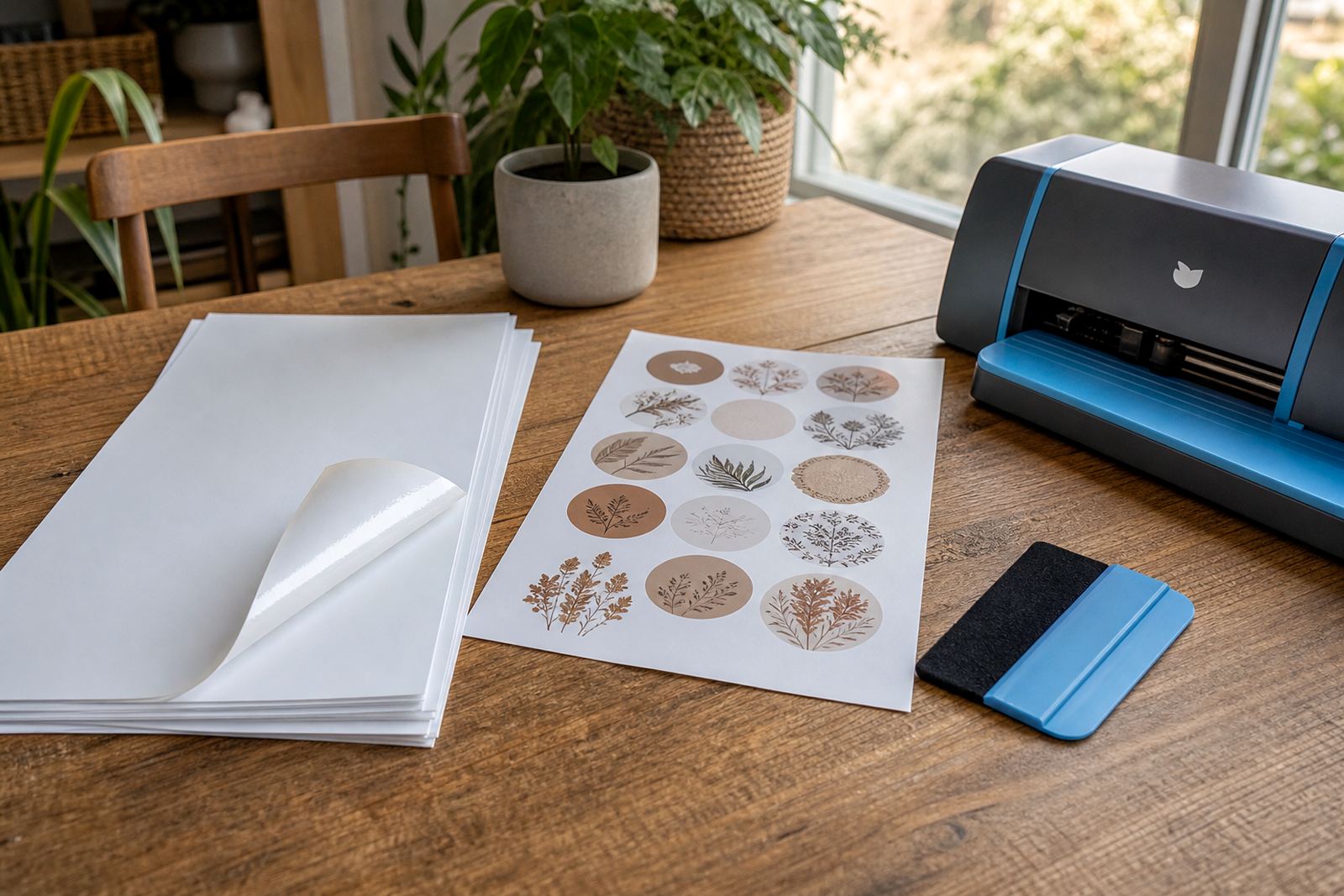
Inkjet printable vinyl is made for decorative and practical labels that need a little more body than standard paper. The sheet takes ink from an inkjet printer and leaves a vinyl face that feels smoother and tougher under handling, which is useful for jars, storage tubs, stationery, gift packs and short run product labels. In Durbanville and across Cape Town, it is a popular choice for home makers who want neat labels for pantry work, laundry rooms and craft stock.
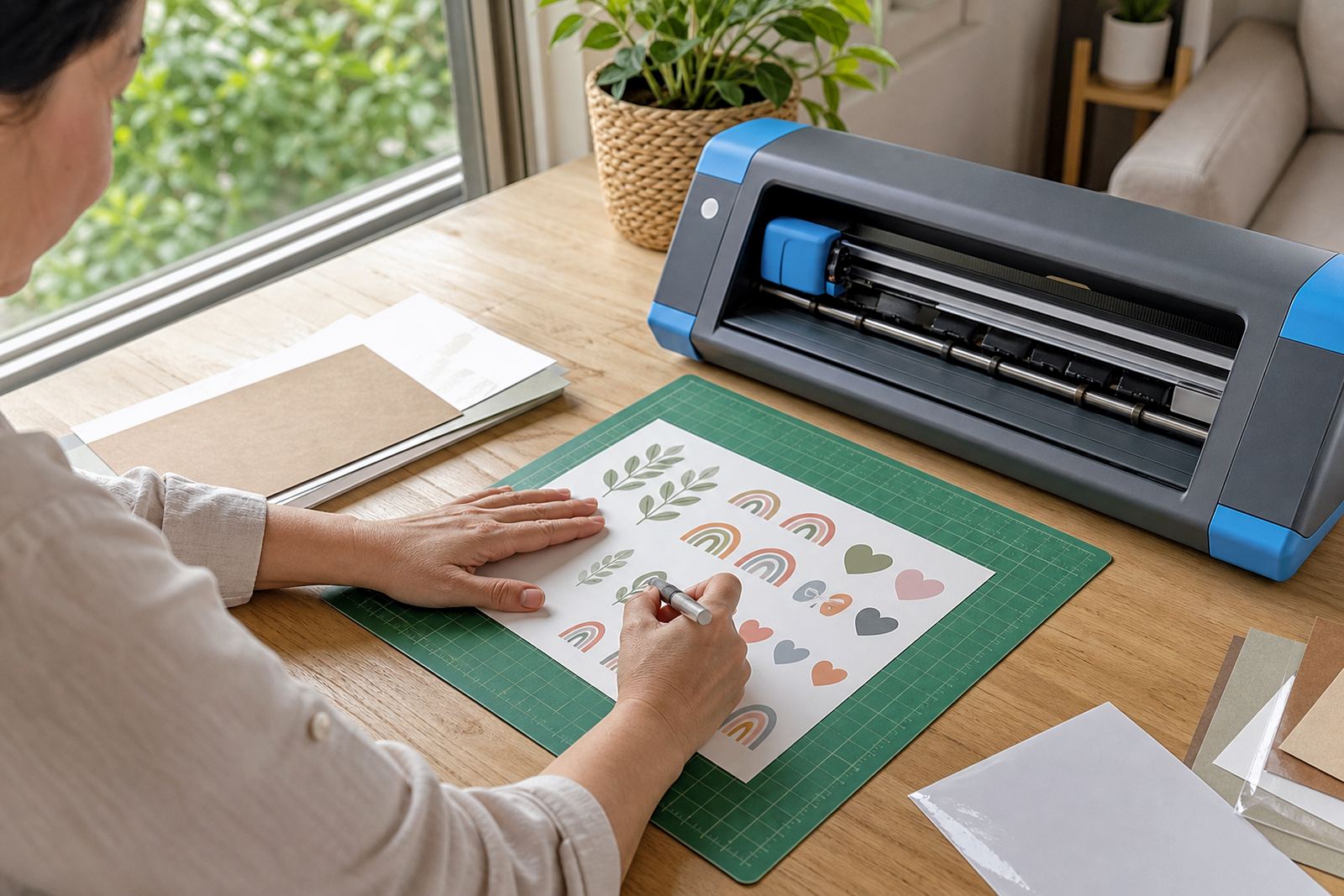
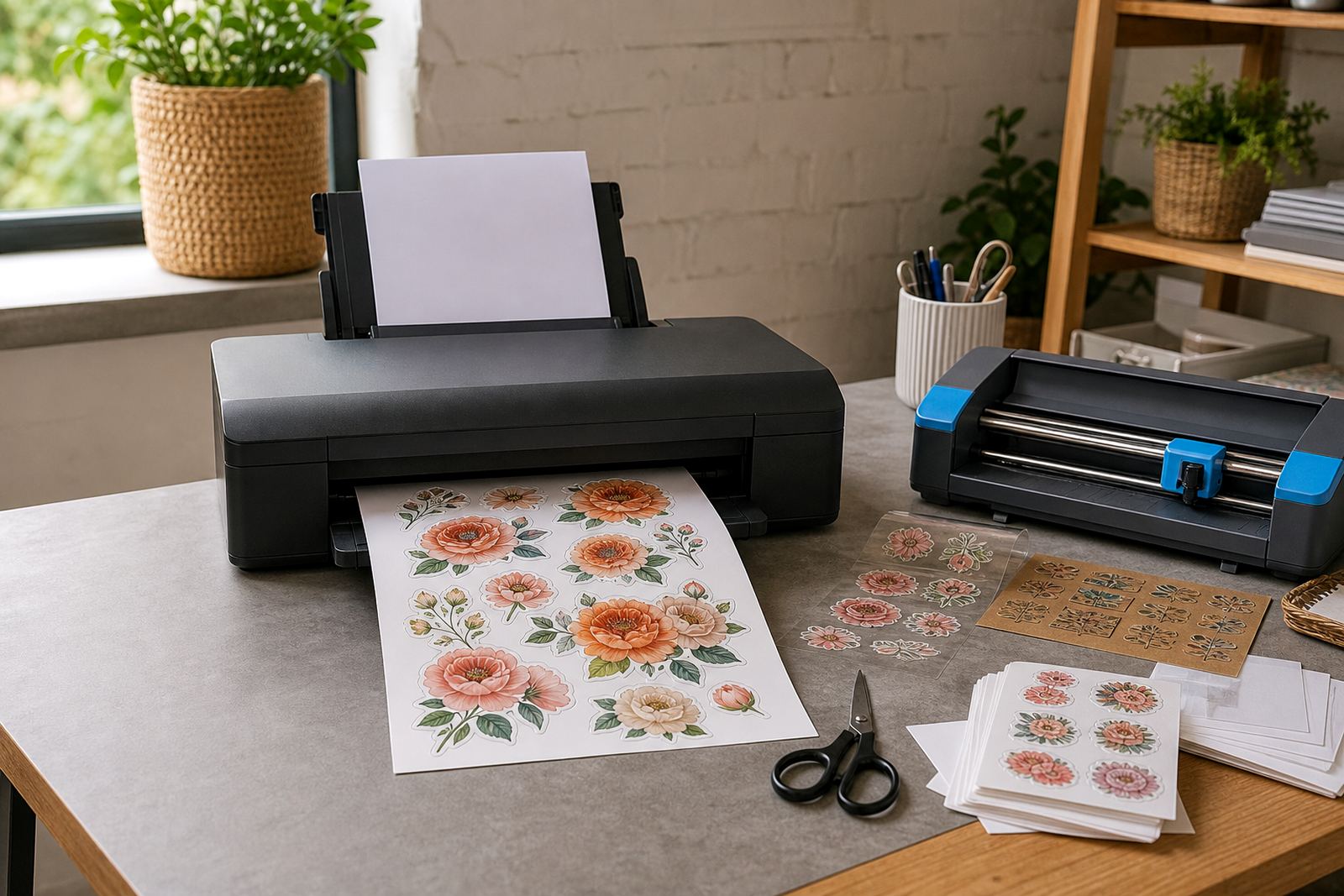
The printable face is designed for colour work, black text and clear artwork. The backing liner stays steady while printing, then releases for cutting and application. You can trim it by hand with scissors or a craft knife, or send it through a craft cutter for shaped labels, round seals and repeated sticker sets. Because vinyl carries a different feel from paper, it is a good fit where labels are handled often or moved between surfaces during a project.
- Printable on standard inkjet machines
- Flexible vinyl face for everyday labelling and craft use
- Works for flat, slightly curved and mixed-surface projects
- Suitable for small batches, test runs and repeat designs
Finishes and sheet sizes that suit different project work
The range includes matte, gloss, clear and other printable vinyl options, along with sheet sizes that suit home printers and craft cutters. Matte vinyl gives a softer look with less shine, which suits pantry labels, note stickers and layered planner work. Gloss vinyl gives a brighter surface that brings out colour and makes graphics feel sharper on gift labels and display pieces. Clear vinyl suits transparent effects, window style decals and layered designs where the background should show through. Kraft style printable stock can be useful for rustic labels, though vinyl is usually the better fit where moisture or frequent handling is involved.
Common sheet sizes work well for home printers, office printers used for small batch labels, and cutter mats that take standard cut sheets. If the job calls for a larger layout, the sheet count can be planned around your artwork so you avoid waste and keep each batch consistent. For makers in Pretoria, Johannesburg and Bloemfontein, that matters when you are packing labels for stock, market table items or home organisation sets.
- Matte for a low sheen label finish
- Gloss for brighter colour and sharper presentation
- Clear for see-through and layered effects
- Sheet sizes suited to home and craft use
Inkjet use, print settings and cut lines
This product is made for inkjet printing, so the artwork needs to be set up with colour control, print direction and drying space in mind. A good setting starts with the correct media type in the printer menu so the ink sits on the surface rather than flooding the sheet. For darker graphics or rich colours, a test print helps confirm the result before you run a full batch. If the artwork includes fine type or small icons, allow enough margin around each item so cutting stays clean and the labels do not lift at the edges.
When the sheet is dry, the label can be finished in two practical ways. Hand cutting suits simple shapes, sample packs and one-off home projects. A craft cutter suits repeated shapes, set sizes and batch work where the outline must stay even from sheet to sheet. On jobs around coastal areas like Cape Town, a dry, dust free working area helps keep the vinyl surface clean while you print and trim it.
- Set printer media to a suitable inkjet stock option
- Allow full drying time before cutting or stacking
- Use test prints for colour, type size and edge placement
- Craft cutters suit repeated outlines and neat batch work
Best uses for labels, decals and maker projects
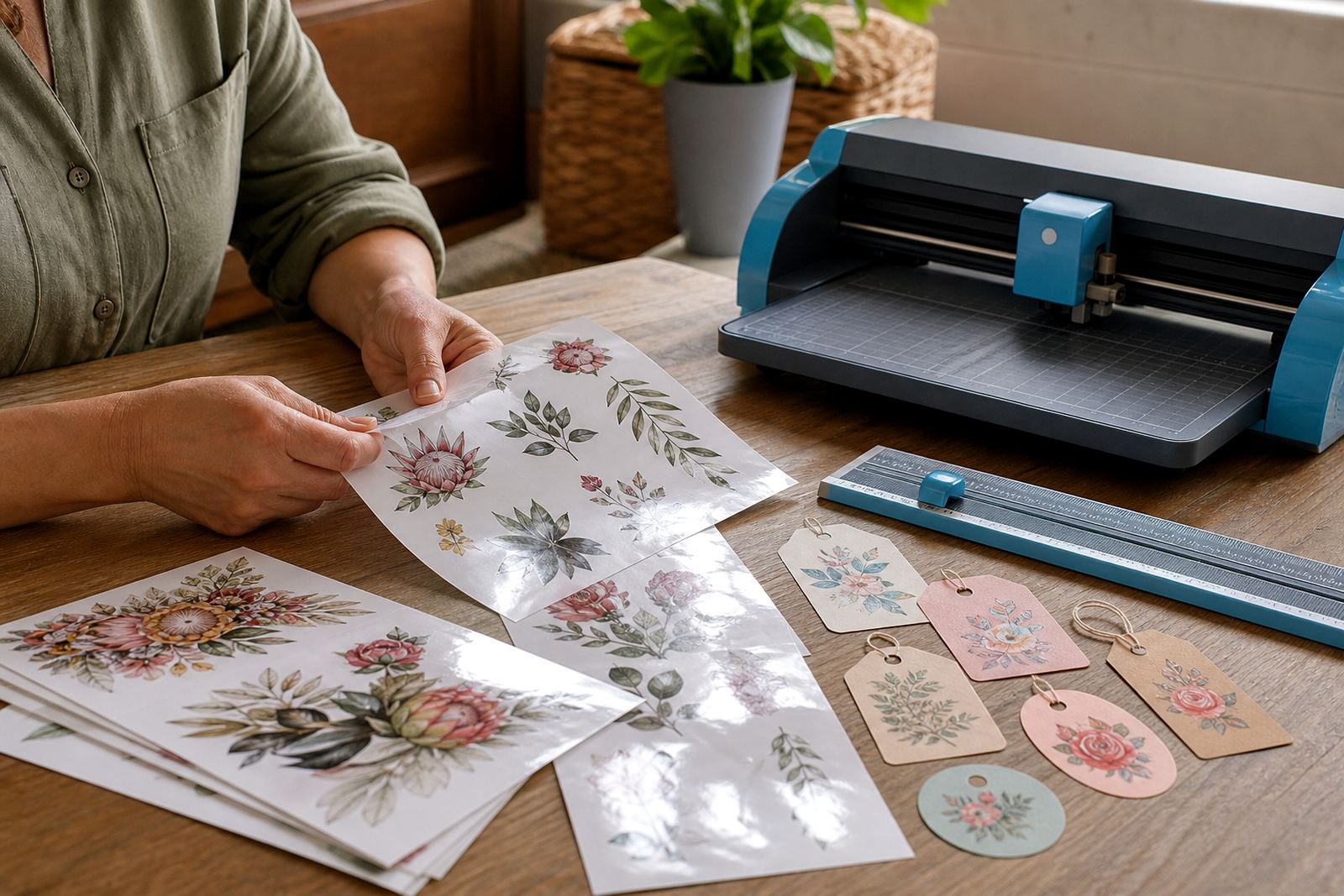
Inkjet vinyl paper suits projects where the label needs to look neat and stay presentable through regular handling. It is often used for pantry jars, storage tubs, stationery boxes, candle jars, party packs, water bottles, handmade product seals and custom gift tags. The vinyl surface also works well for hobby decals, sticker sets and layered artwork where the printed piece needs a cleaner feel than plain paper.
For home organising, the clean print surface makes labels easier to read on shelves and containers. For small business use, the finish supports product names, ingredient panels, batch notes and branding pieces where a tidy look matters. If you need clear labels for glass jars or bottles, a transparent option can give a lighter result, while gloss and matte suit more obvious labelling. The right choice depends on the look you want and the surface you are applying it to.
- Home organisation labels for kitchens, storage and laundry rooms
- Custom stickers for gifts, sets and creative packs
- Short run product labels for maker tables and small batches
- Decals and decorative pieces for craft projects
Surface prep, fitting and day to day care
Good application starts with a clean surface. Wipe jars, tins, plastic tubs or glass with a dry lint free cloth and remove any oil, dust or loose residue before fitting the sticker. Press from the centre outward so air is worked out as you go. If the label is being placed on a curved bottle or a rounded container, keep the artwork size in check so the edges sit neatly without stretching.
For care, avoid harsh scrubbing and rubbing at the corners. Vinyl can handle regular use well, but the print will keep its best look when the label is left to set properly after fitting and kept away from rough washing. If the item sits in a humid room or near a sink, a strong edge seal and a smooth surface help the label stay tidy for longer. Around Durban and other coastal areas, that extra care is useful because moisture in the air can work on labels that are stored badly or applied to damp surfaces.
Details to confirm before placing your order
To match the right vinyl to your project, it helps to confirm the finish, sheet size and printer type before ordering. If you print on an inkjet machine, note whether you need matte, gloss or clear vinyl, and whether the design will be cut by hand or with a craft cutter. If the labels must fit a jar, bottle or organiser tub, measure the usable flat area rather than the full container height. That keeps the print size realistic and avoids a label that wraps too far around a curve.
It also helps to know whether the artwork is for a one colour job, full colour work or layered graphics. Dense colour areas may need a stronger layout, while fine detail may need more space between cut lines. If you need help with printer settings, colour tests, smudge reduction, hand cutting or sheet storage, those are the practical points to raise with the order notes so the right stock can be matched to the job.
- Confirm inkjet printer use and preferred finish
- Check sheet size against the printed artwork
- Measure the label area on jars, tubs or bottles
- Note whether the job is for hand cutting or a craft cutter
Key facts
| Product type | Inkjet printable vinyl sheet |
|---|---|
| Printer compatibility | Inkjet printers |
| Finish options | Matte, gloss and clear |
| Typical use cases | Labels, decals, home organisation and maker projects |
| Cutting methods | Hand cutting or craft cutter use |
| Application surfaces | Glass, plastic, metal, jars, bottles and flat containers |