
Stickers That Fit A Busy Classroom Table
Teacher reward stickers need to move fast from printer to learner, with a clean finish and easy peeling. In Durbanville and across South Africa, many homes and classrooms use printable sticker paper for homework charts, reading logs, merit boards and small celebration sheets that sit neatly in exercise books or on folders.
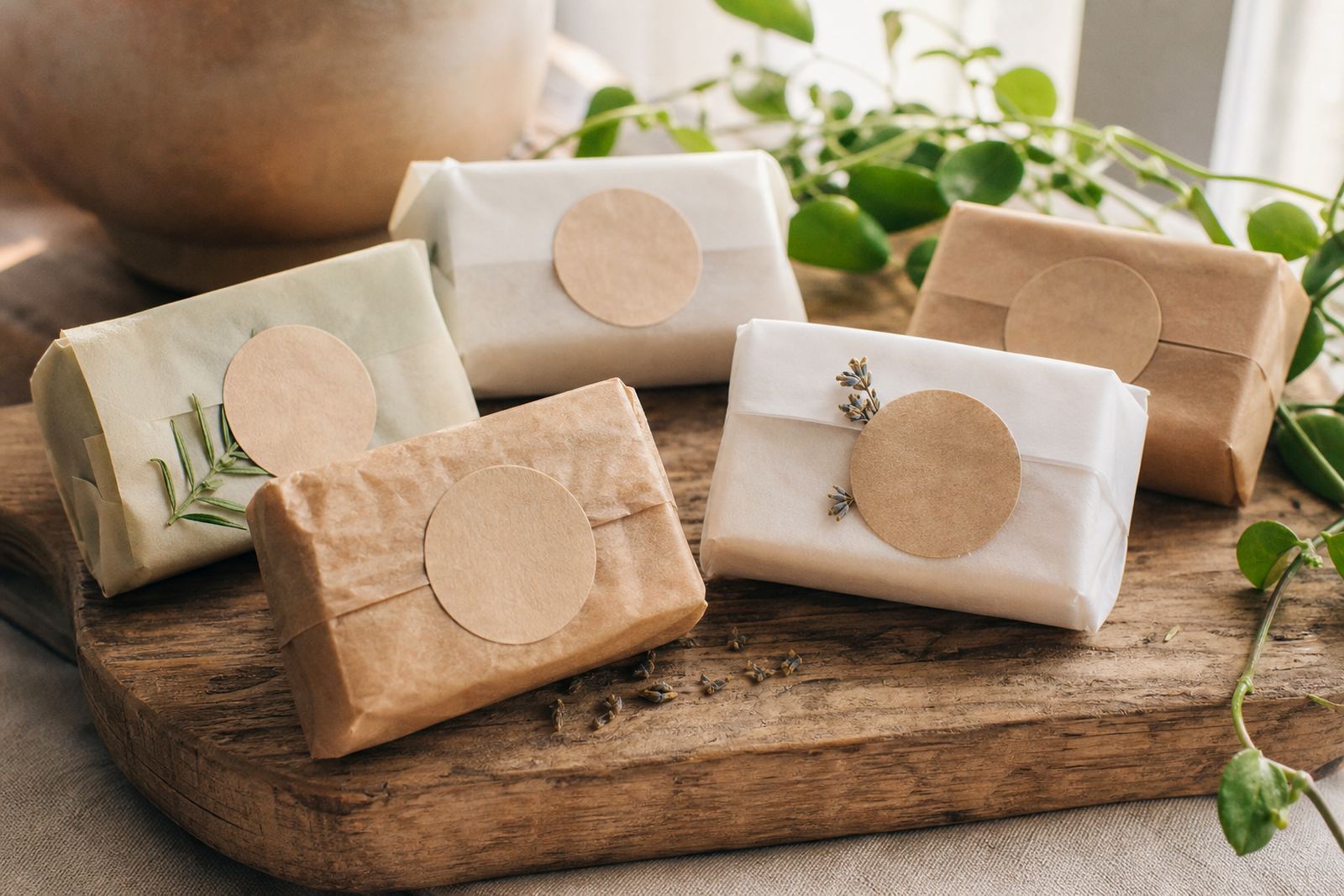
Matte sheets suit handwriting, pencil marks and softer colour work, while gloss gives brighter colour for bold badges and attention-grabbing rewards. Clear sticker paper works well for transparent labels on containers or colourful artwork underneath, and vinyl suits stickers that are handled often. Kraft paper gives a warm, natural look for rustic labels, folder tags and simple incentive charts. The right sheet depends on the printer, the cut shape and the look you want on the page, no fuss.
- Matte for neat text and controlled colour
- Gloss for brighter sticker faces and lively classroom themes
- Clear for see-through labels and layered designs
- Vinyl for stronger handling on bottles, files and book covers
- Kraft for handmade labels and softer earth-tone projects
Printer Pairings That Keep The Sheet Behaving
Most teacher reward stickers are printed on either inkjet or laser machines, and the paper choice should match that output. Inkjet printers suit many colour-rich classroom designs, especially where small illustrations, borders and shaded stars are part of the layout. Laser printers are useful for crisp text, quick school office printing and sheets that will be cut into many small labels.
Checking the correct print setting helps the ink sit properly on the sheet. A matte sheet often accepts everyday classroom artwork well, while gloss usually needs a touch more care in the printer settings so the colour lays down evenly. Clear and vinyl sheets can need a steadier feed through the machine, so loading one sheet at a time is often safer than rushing a full stack. Paper jams are usually linked to the wrong tray setting, curled stock or a sheet that has picked up moisture in a humid room.
- Use the correct media setting for the sheet type
- Keep printed sheets flat after printing
- Store spare sheets away from damp corners
- Test a single page before printing a full batch
Planning Reward Sheets For Names, Stars And Subject Icons
A good reward sticker sheet should match the way a teacher actually hands out praise. Some classrooms need tiny stars for daily work, while others prefer larger round stickers for finished sums, spelling tasks or neat handwriting. Home learning often needs plain labels for reward jars, chore charts and reading progress. Working out the size early helps the sheet cut cleanly and keeps waste down.
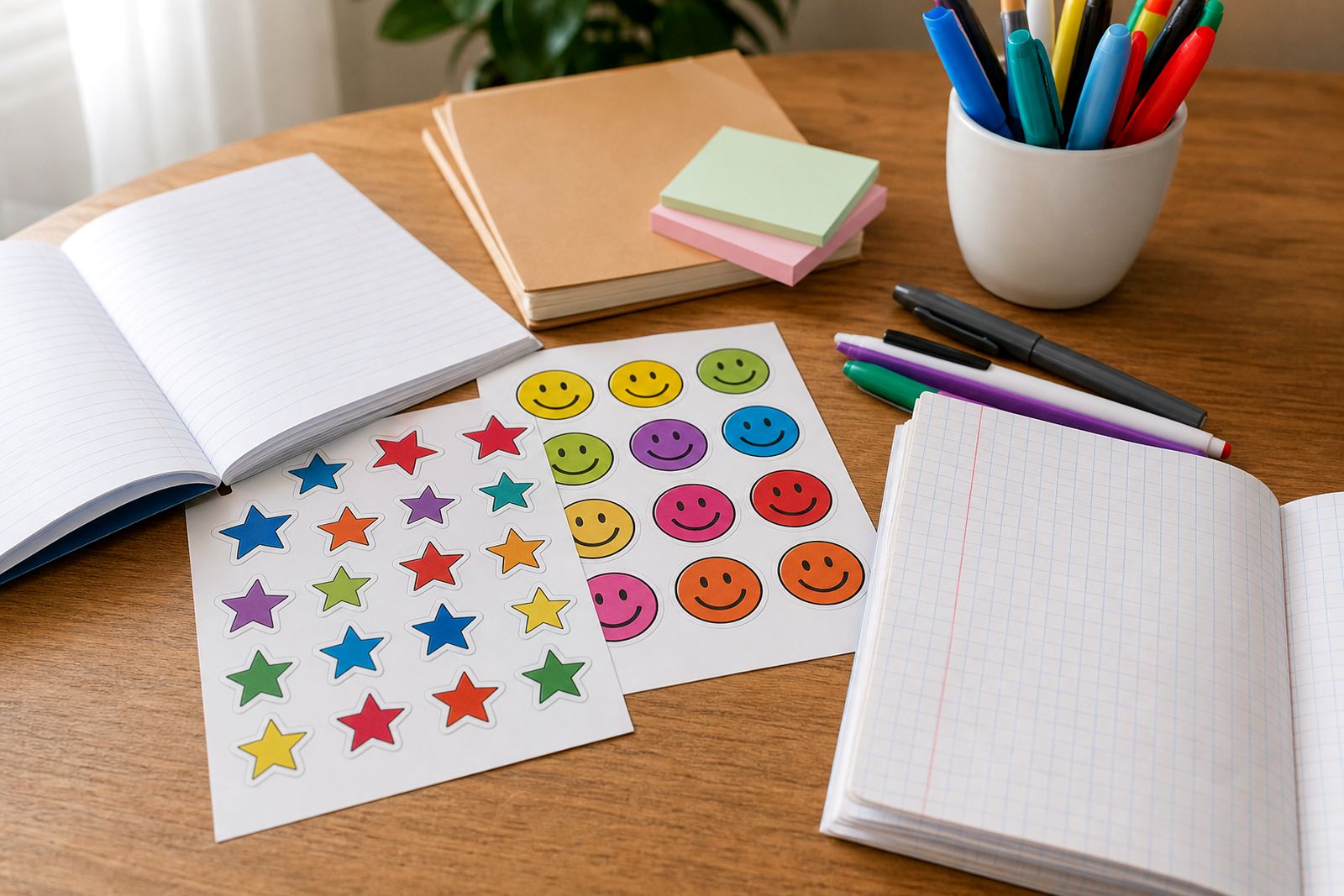
For classroom use, it helps to group the stickers by theme on the page. One corner can hold stars, another can hold smiley faces, and a narrow strip can carry name labels or subject tags. That layout saves time when a parent or teacher is handing out stickers quickly between tasks. For craft cutters, a clean border around each shape gives the machine a better cut line. For hand cutting, wider spacing between designs makes the scissors work easier and neater.
- Small shapes for frequent praise and marking books
- Medium shapes for reward charts and folders
- Larger shapes for display boards and home routines
- Simple outlines for quick cutting by hand or machine
Colour also matters. Bright yellow, blue and green often read well in a classroom, while softer colours suit home learning charts where the look should stay calm. If the page is going onto clear or glossy stock, strong contrast in the artwork usually prints better than pale tones.
Hand Cutting, Craft Cutters And A Cleaner Finish
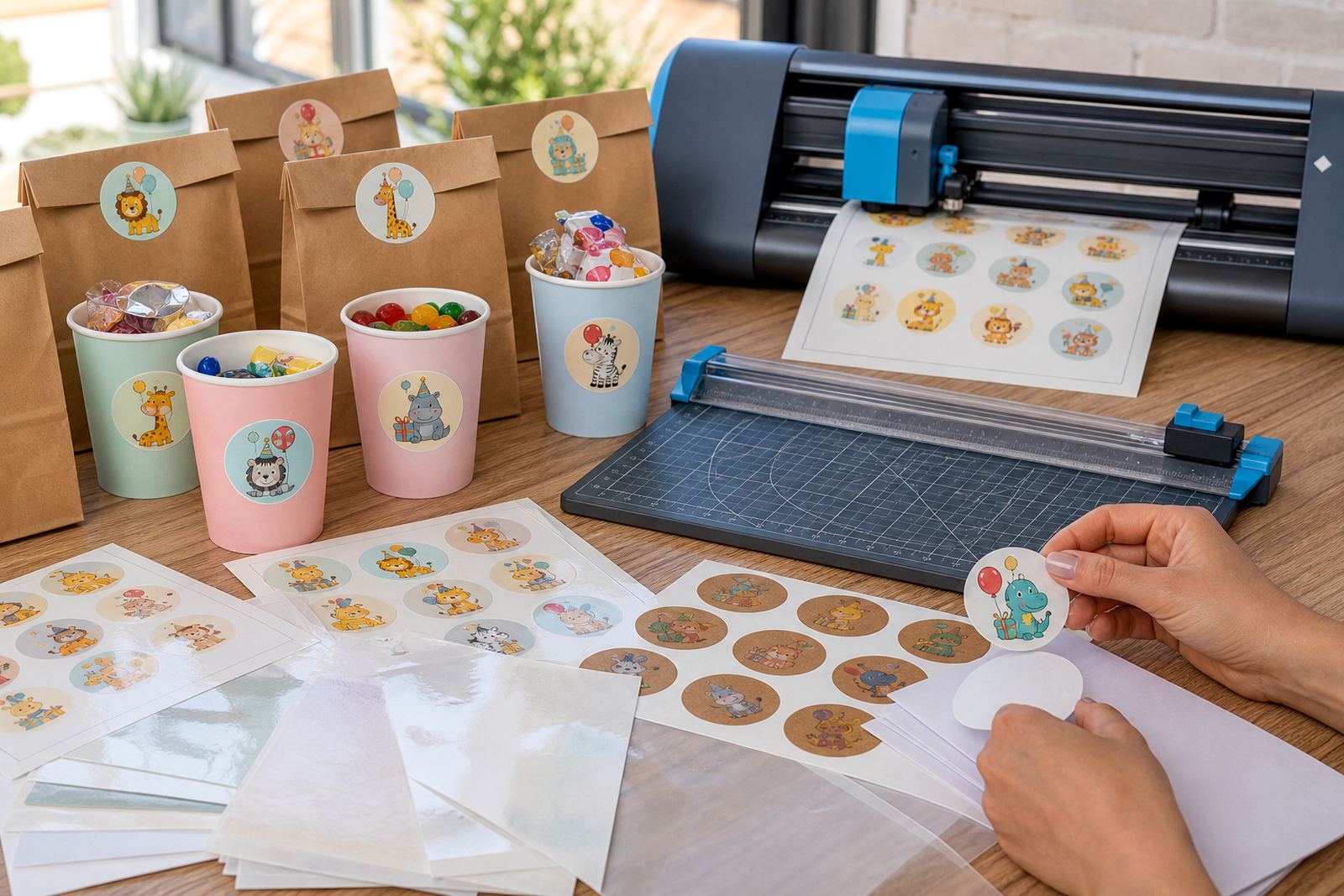
Teacher stickers can be trimmed by hand with scissors or through a craft cutter, depending on the shape count and the level of detail. Hand cutting works well for larger stars, rounded labels and simple motivational icons. A craft cutter is useful for repeated shapes, fine edges and full sheets with many small rewards, especially when the same layout needs to be printed more than once.
Care with the cut matters as much as the print. If the sheet is not fully dry, the ink can smear when touched or shifted. If the blade pressure is too high, the cutter can score through the backing and make peeling awkward. If the design is placed too close to the edge, the shape may trim unevenly and leave a ragged border. Teachers using vinyl or gloss sheets usually benefit from a slower cut path, while matte sheets are often more forgiving. It is a small thing, but it saves a lot of waste.
- Allow the print to settle before cutting
- Use a sharp blade for detailed shapes
- Leave enough margin around every sticker
- Keep backing sheets flat during trimming
Common Slip-Ups With Reward Sticker Printing
One common mistake is choosing the wrong sheet for the lesson style. A shiny sticker may look lively, but if the class needs handwriting on top, matte can be easier to work with. Another slip is printing too much colour for a small reward, which can make the sheet look busy and costly for no real gain. Teachers also sometimes forget that a sticker used by little hands needs a shape that peels cleanly.
Storage makes a difference too. In Cape Town's coastal air, paper can pick up moisture if it is left near a window or in an open cupboard. That can affect feed quality and cutting accuracy. A flat box or sleeve is usually better than leaving loose sheets stacked on a shelf. If the printer pulls the sheet at an angle, the design may shift and the cut line can miss the printed edge by a small amount, which is annoying when you are doing many sheets for one class.
- Wrong paper finish for the way the sticker will be used
- Overcrowded sheet layout with little trim space
- Storage in damp or dusty corners
- Print settings that do not match the sheet type
Rand Range For Small Classroom Runs
For budgeting, teacher reward stickers usually fall into small home-project runs or larger classroom batches. A basic setup with printable sticker paper, a few test sheets and simple cutting tools can stay within a modest budget, while larger runs with more designs and repeated reprints naturally cost more. The final amount depends on the sheet type, the number of pages and whether you are cutting by hand or using a craft cutter.
As a rough guide, many small teacher projects sit in the lower hundreds of Rand for a few pages and test runs, while wider classroom stock-ups can move into a few hundred Rand more once extra sheets are added. Matte and kraft often suit lower-key learning jobs, while clear, vinyl and gloss are chosen when the finish matters more and the sticker will be handled often. For home makers, a mixed pack can cover labels, charts and reward stickers without needing a separate purchase for every task.
StickerPaper supplies printable sticker paper online for Durbanville, Cape Town, Johannesburg, Durban, Pretoria and Bloemfontein delivery, with support for printer settings, colour tests, jam checks, hand cutting and craft cutter use through the enquiry form on the contact page. Morne van der Merwe oversees the business, with help from Anele Kekana, Bianca Februarie, Jason Zungu, Leandri Mthethwa and Themba Mabuza across support, e-commerce, warehouse, content and dispatch work.