A Blouberg kitchen needed labels that looked hand-made, not homemade
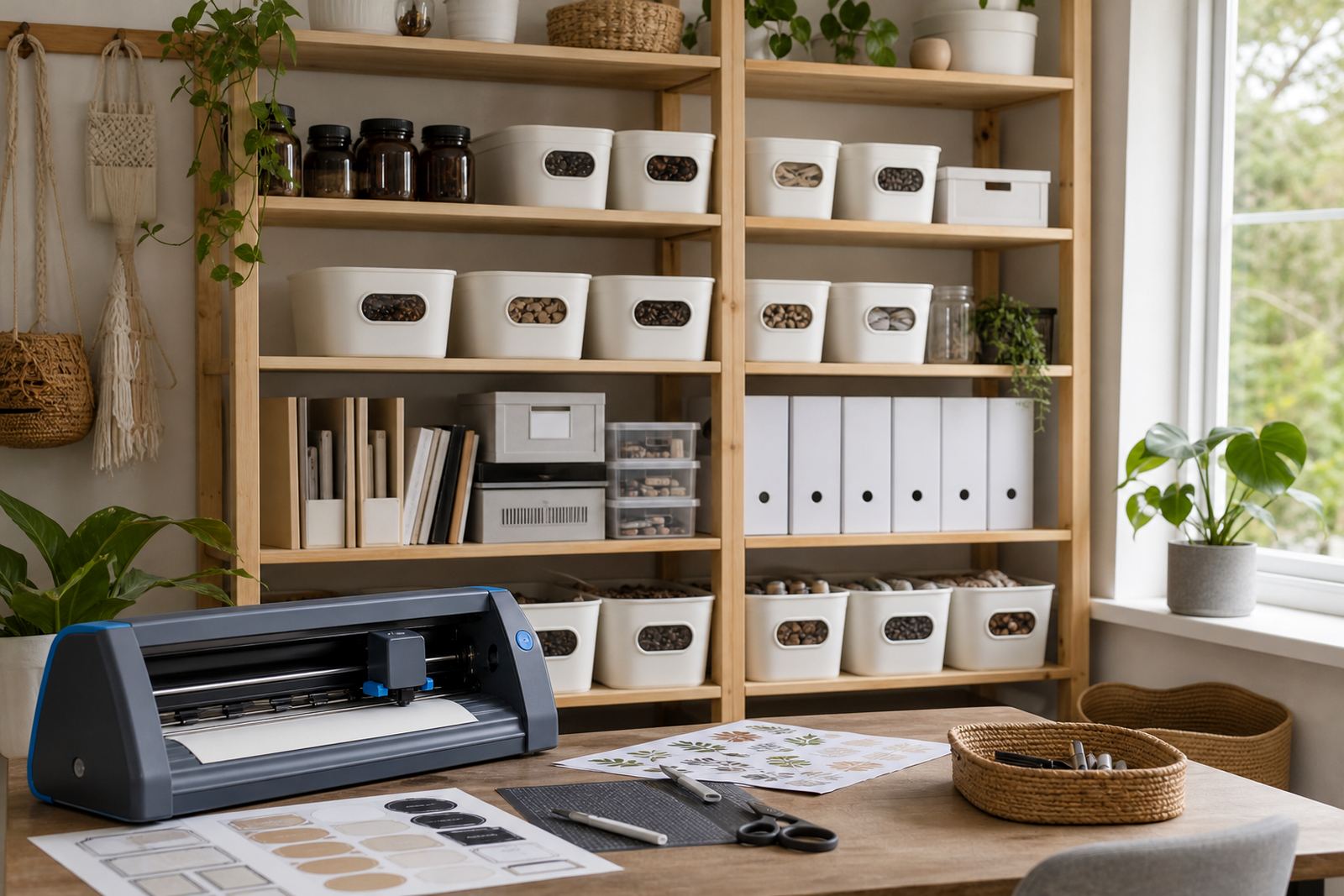
The client was a home crafter in Blouberg working through a full pantry and laundry refresh. The brief was to turn plain tubs, jars and storage canisters into a matching set of reusable containers with shaped vinyl decals, each one sized to fit curved sides and flat lids without buckling.
The labels had to look tidy from a short distance and still hold detail close up, because the containers sat on open shelves in a bright kitchen. We suggested printable vinyl rather than a paper stock, as the client wanted a smoother surface and better resistance to light wiping with a damp cloth. The home also gets strong coastal light, so a cleaner print surface made sense for the lettering and small icons.
The artwork was kept practical. Simple names, category labels, and a few small motif marks were easier to weed, cut and line up on narrow container faces. That helped avoid wasted sheets and it made the final set feel consistent across all the jars.
What the brief had to work around
The main constraint was shape. The containers were a mixed group, with some rounded jars, some square bins, and a few slim bottles. A single format would not suit all of them, so the client needed sticker paper that could be printed in batches and cut to different outlines without tearing at the edges.
There was also the matter of printer compatibility. The labels needed to run cleanly through an inkjet setup at home, with the option to use a laser printer for other jobs in the same household. That meant the sheet choice had to support clear artwork, sharp text and a surface that would not give problems in ordinary craft use.
We also considered the handling side. Printable vinyl is forgiving when it is measured and cut properly, but very small shapes can lift if the backing is scored roughly. So the label sizes were planned with enough border for hand cutting, while still leaving room for craft cutter paths where the client wanted a repeat shape.
- Sheet type: printable vinyl
- Finish: smooth, non glossy look for readable pantry text
- Cut method: hand cutting for larger labels, craft cutter for repeat shapes
- Use case: reusable household containers and storage jars
The sheet choice and print setup we supplied
For this project we supplied printable vinyl sheets suited to home labelling work, with enough body to handle curved containers and enough surface stability for text, line art and block shapes. The sheets were chosen for everyday craft use, not decorative one-off pieces, so the focus was on reliable printing and manageable cutting.
We walked through a few core setup points for the client’s printer use: letting the ink dry properly before handling, keeping the print layout away from the very edge of the sheet, and doing a small colour test before running the full set. That cut down on smudging and helped the blacks stay crisp on the pale labels. Where a laser printer was used for other projects, the same style of layout still worked, though the cooling time after printing mattered more.
The client also wanted help with storage and sheet handling, because vinyl stock can pick up dust and edge curl if it is left loose in a busy craft room. Sheets were kept flat, away from direct heat and away from damp corners in the house. A simple folder or carton works better than a pile on a shelf, and it keeps the cut lines true when the project gets picked up later.
Cutting the labels by hand and with a craft cutter
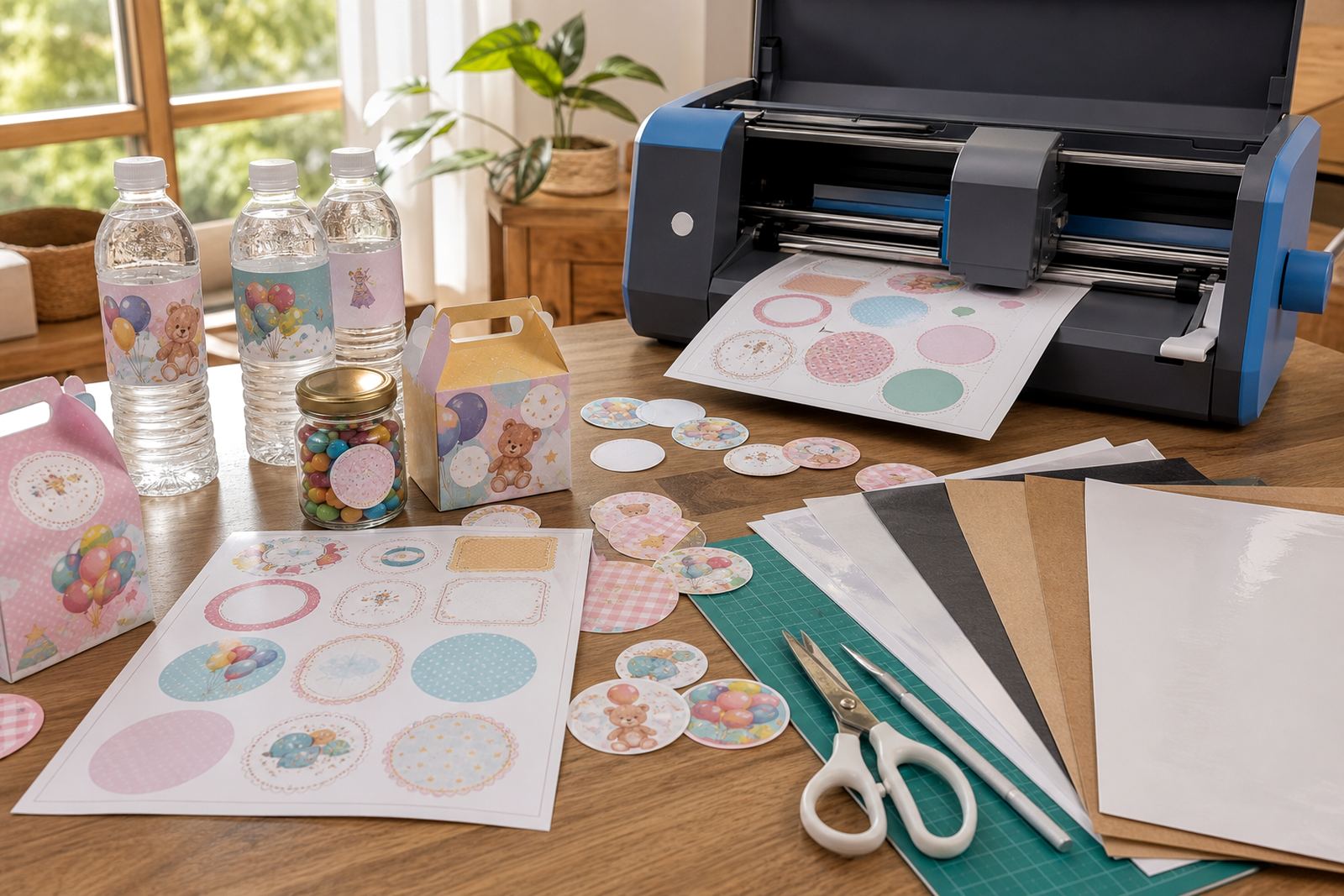
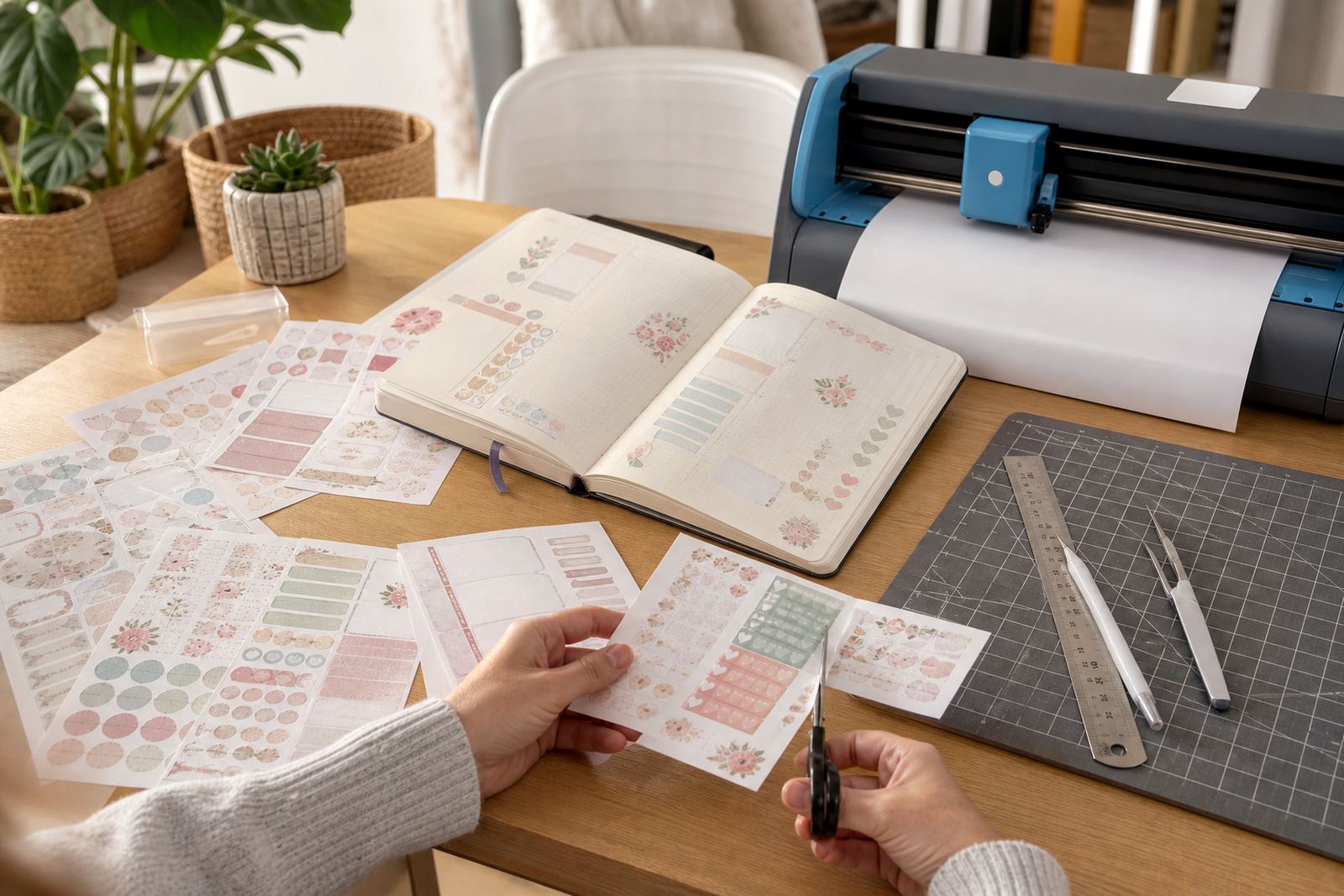
The label set was split into two cutting methods. The larger pantry names were cut by hand with a craft knife and ruler, while the repeat shapes and smaller icons were set up for a craft cutter. That mix kept the process practical, especially for a home maker who wanted the project done over a few evenings rather than all at once.
Hand cutting was used for broad rectangles and simple rounded tags. The vinyl handled clean passes well, as long as the blade stayed sharp and the sheet was supported on a proper cutting mat. For the cutter, the paths were kept plain and the corners eased slightly, which helped the labels lift from the backing without snagging. A couple of the smaller pieces needed a second weed, but once the cut settings were sorted the rest moved more smoothly.
- Clean outline shapes for pantry and laundry jars
- Simple text blocks for fast reading on shelves
- Small icons for grouped items such as flour, tea and detergent
- Rounded corners where the container shape called for it
Sticker application on reusable containers in salty coastal air
Blouberg homes often deal with salt in the air, and that can show up on hard surfaces over time, especially in kitchens near open windows. The client wanted labels that would stay neat during normal cleaning, not something that would curl at the edges after a few wipes. Printable vinyl was the right call here because it gives a flatter finish than paper and sits better on smooth tubs and jars.
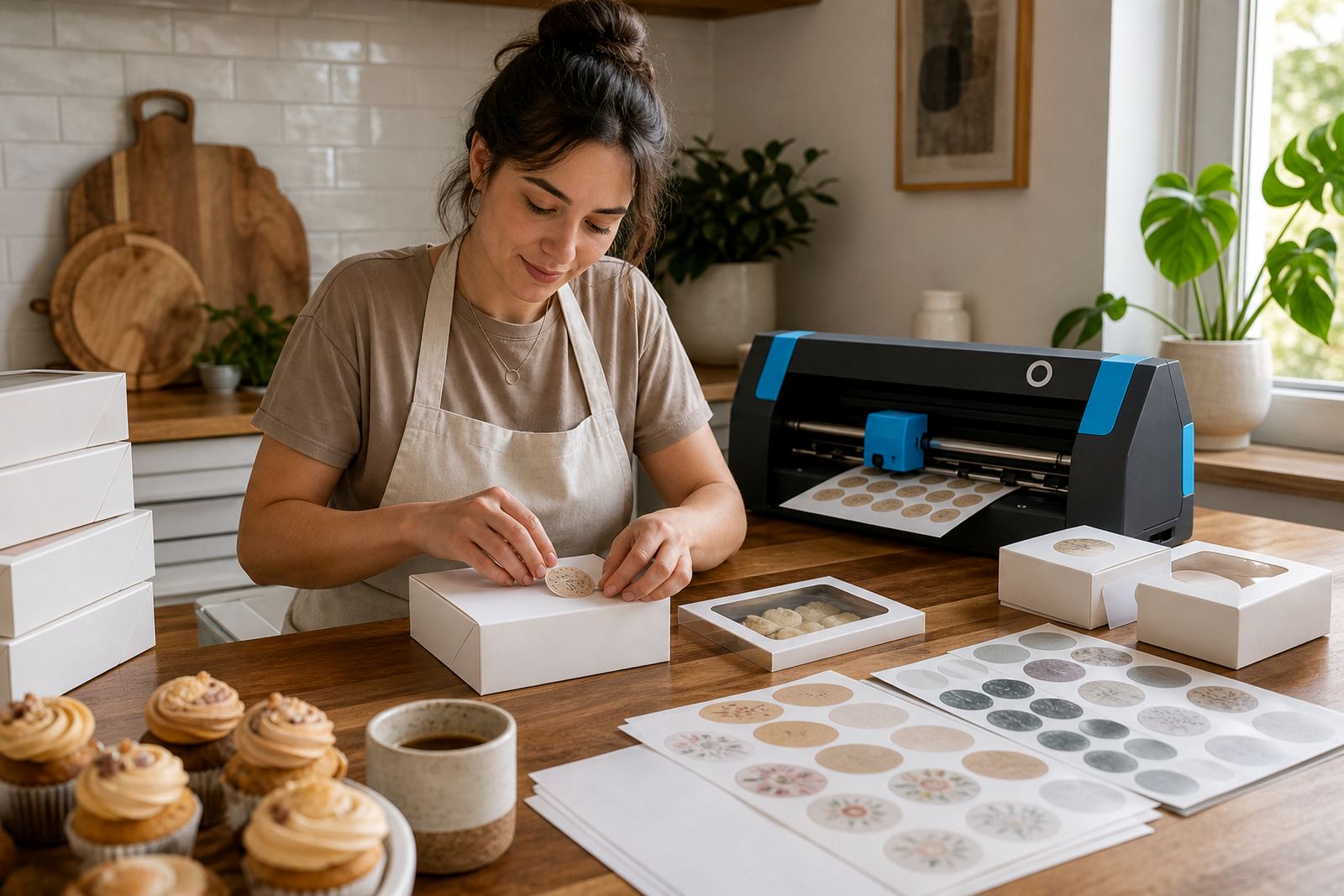
Application started with clean, dry containers. The labels were aligned from the centre out so that the bigger pieces did not trap bubbles, and the smaller ones were pressed down slowly with firm thumb pressure. Once the adhesive took hold, the set looked tidy and consistent across the shelf. The client also tested one label on a frequently handled jar, and it stayed readable after repeated handling and wiping, which was the outcome they needed.
There was no point forcing a single label style across all the jars. A few containers had slight curves that called for shorter artwork, and others needed a little extra border to sit properly. That kind of adjustment makes the whole set look planned, not cobbled together.
A three week project from first sheet to finished containers
The work moved in three stages across three weeks. The first week was spent confirming the label sizes, choosing the printable vinyl finish, and checking how the text would sit on each container type. The second week covered printing tests, cut trials and small changes to the shapes so the hand-cut and machine-cut pieces matched closely. The third week was used for final production, application, and a last look at the full container set in the client’s home.
The end result was a kitchen and utility area that felt organised without looking clinical. The labels carried a clean, handmade look, but the edges were sharp and the wording stayed easy to read. The client also had a practical system for future refill jars, which made the whole set easier to maintain as new containers were added. The project showed that printable vinyl can do a lot more than one-off craft labels when the sheet choice and cut method are matched well.
- Cleaner shelf presentation across mixed container shapes
- Better label consistency for pantry and laundry storage
- Easy replacement if a container changes later
- Good fit for home printers and craft cutters
What we would do for a Blouberg label job
We would keep the same approach for another home organiser project in the coastal suburbs: printable vinyl for the main labels, simple artwork for fast cutting, and a short print test before the full batch. That combination keeps waste down and gives the client enough flexibility to label new jars later without starting over.
We would also keep the advice practical around storage and handling. Flat storage, clean hands, a dry work surface and a slow application routine save a lot of frustration, especially when the labels are small. For crafters who work with mixed containers, that matters more than fancy design work. If the labels are going onto jars in a sunny kitchen or a humid scullery, the finish and the cut matter just as much as the print.
StickerPaper supports this kind of project with printable sticker paper types for inkjet and laser use, plus guidance on hand cutting, craft cutters, clear sheet work, vinyl sheet work and sticker application. For crafters in Durbanville, Cape Town and across South Africa, that means the material can be matched to the job instead of forcing the project into one format. Small detail, but it saves time and the labels look better on the shelf.
Key facts
| Project | Blouberg vinyl decals for reusable household containers |
|---|---|
| Client type | Home crafter and organiser in Blouberg, Cape Town |
| Material supplied | Printable vinyl sticker sheets |
| Print compatibility | Inkjet and laser compatible |
| Cutting method | Hand cutting and craft cutter use |
| Timeline | Three weeks from sizing through application |