
When warm air starts lifting the corners
Printable sticker paper can absorb changes in the air around it, especially in homes near the coast where humidity hangs around for much of the year. When that happens, sheets may curl at the edges, feed less cleanly, or feel slightly soft when you stack them too close together.
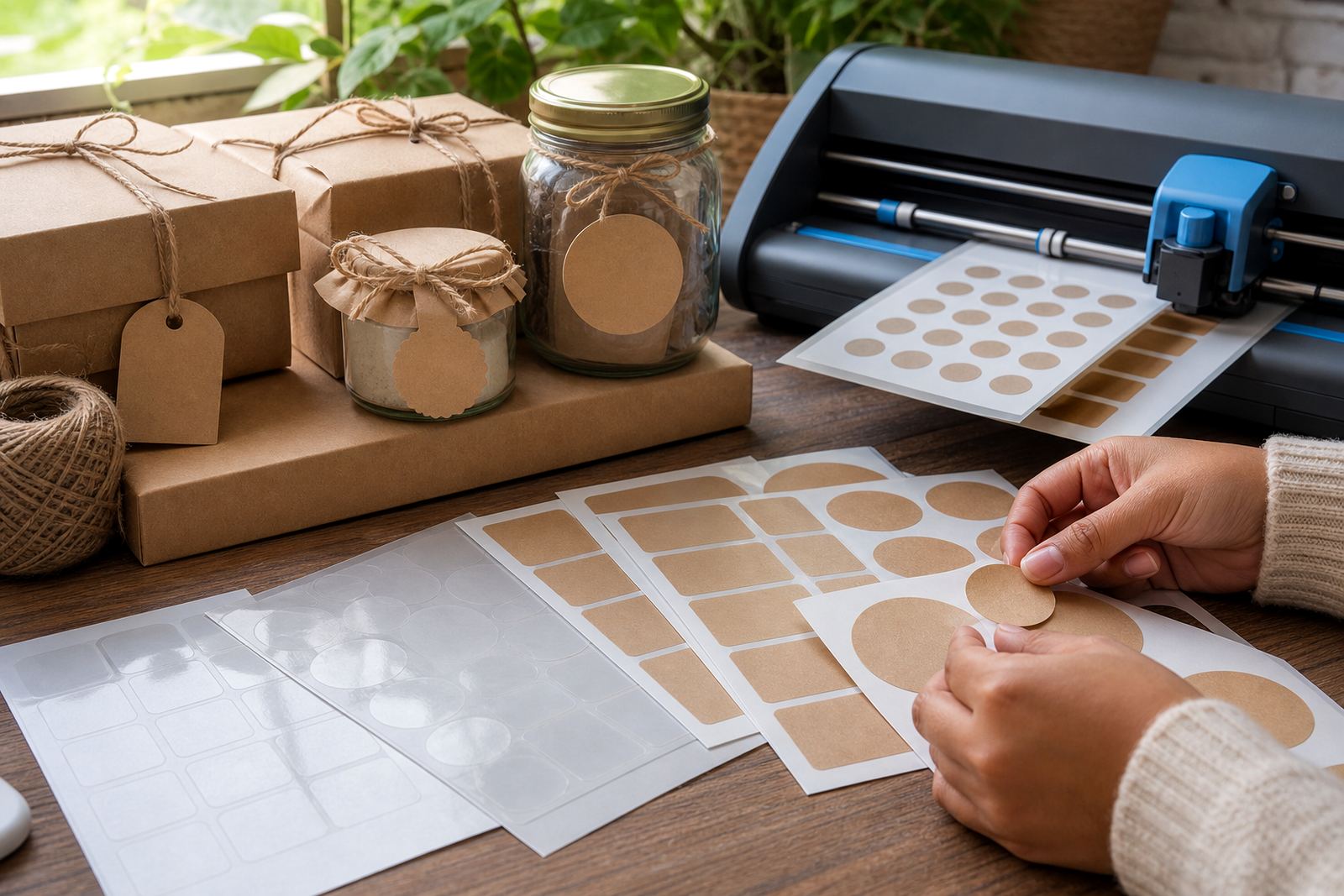
Matte, gloss, clear, vinyl and kraft sheets all react in their own way. Gloss can show moisture marks more clearly, while clear sheets may pick up fingerprints and haze if handled with damp hands. Kraft stock can look a little wavy if it is left in a hot room, and that can affect label alignment when you are printing small batches for jars, folders or gift packs.
In Durbanville, a craft room with closed windows on a muggy day can hold far more moisture than people expect. A stack left beside a sunny window or on top of a fridge tends to pick up heat fast, then the pages bend and buckle. That small change can throw off margins, especially where an inkjet printer needs a tidy feed path.
Storage habits that keep sheets calmer
The best storage is not complicated, but it does need attention. Keep sticker paper flat, away from direct sun and away from damp walls or floors. A cupboard in a cooler room works better than a shelf near a stove, washing machine or bathroom door.
For households and small studios in Cape Town, Johannesburg or Durban, the daily weather can shift quickly. A dry morning may turn into a humid afternoon, so sealed packaging helps protect unused sheets. If the pack has already been opened, place the remaining paper back inside a protective sleeve or resealable bag with the edges aligned neatly.
- Store sheets flat, not rolled, so the corners stay even.
- Keep them in a room with steady airflow and less direct heat.
- Avoid leaving open packs in cars, garages or near windows.
- Place heavier items on the bottom of a shelf, not on paper packs.
Small habits make a real difference. A clean, dry storage spot keeps the release liner steady and helps the adhesive layer stay even across the sheet.
Printing in humid weather without wasting stock
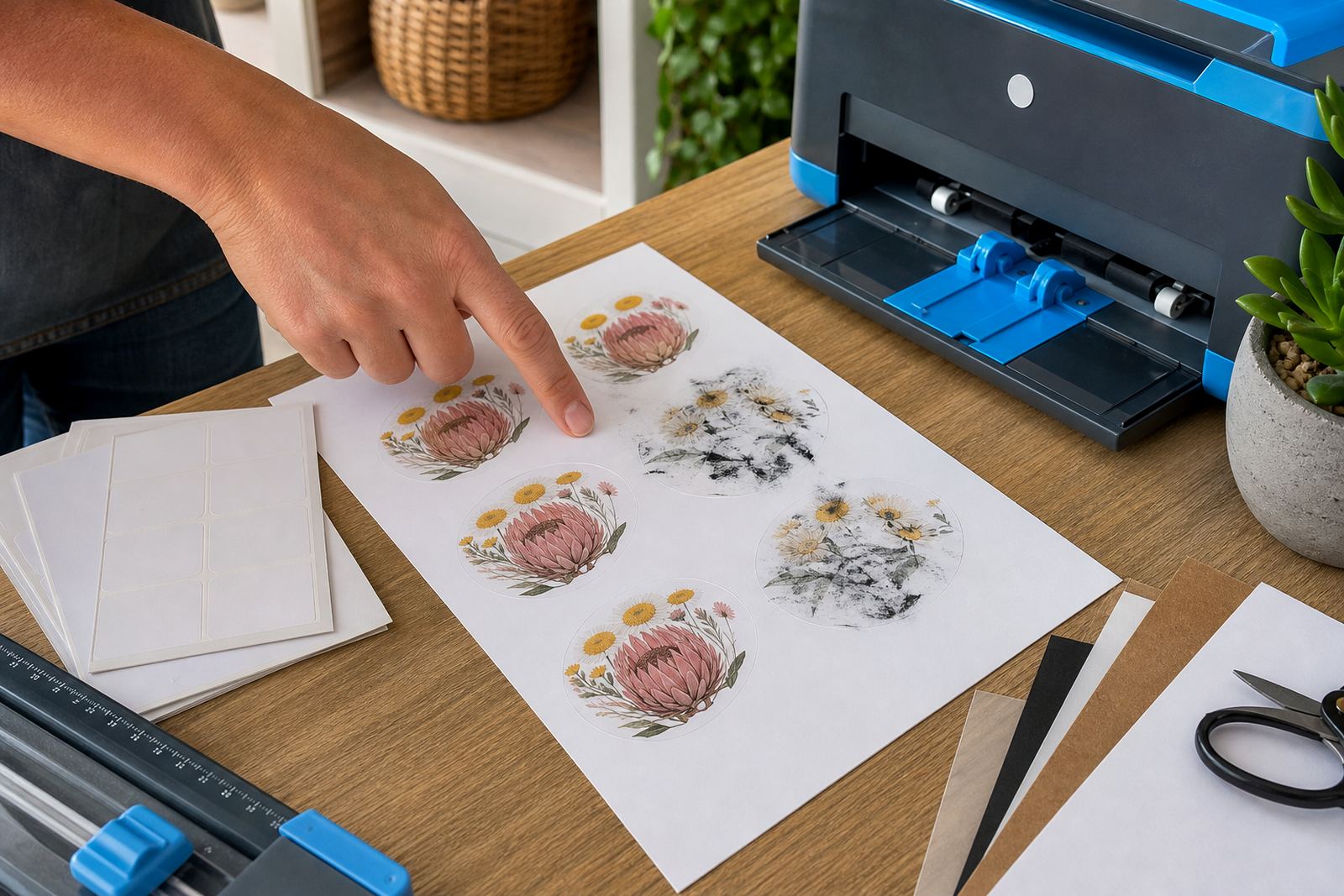
Humidity changes how ink sits on the surface, especially on matte sheets where the finish is more absorbent. With inkjet printing, the ink may dry a little slower on sticky or moisture-prone paper, so it helps to let fresh prints rest flat before cutting. With laser printing, heat from the machine can interact with paper that already feels damp, and that may lead to waviness or a slight curl.
Before you print a larger run, check one test sheet. Watch for feed marks, colour spread and any sign that the sheet has taken on moisture from the room. If the sheet feels cooler or heavier than usual, it may have picked up damp air overnight. That can happen in coastal towns and also in inland homes where rooms are closed up for long periods.
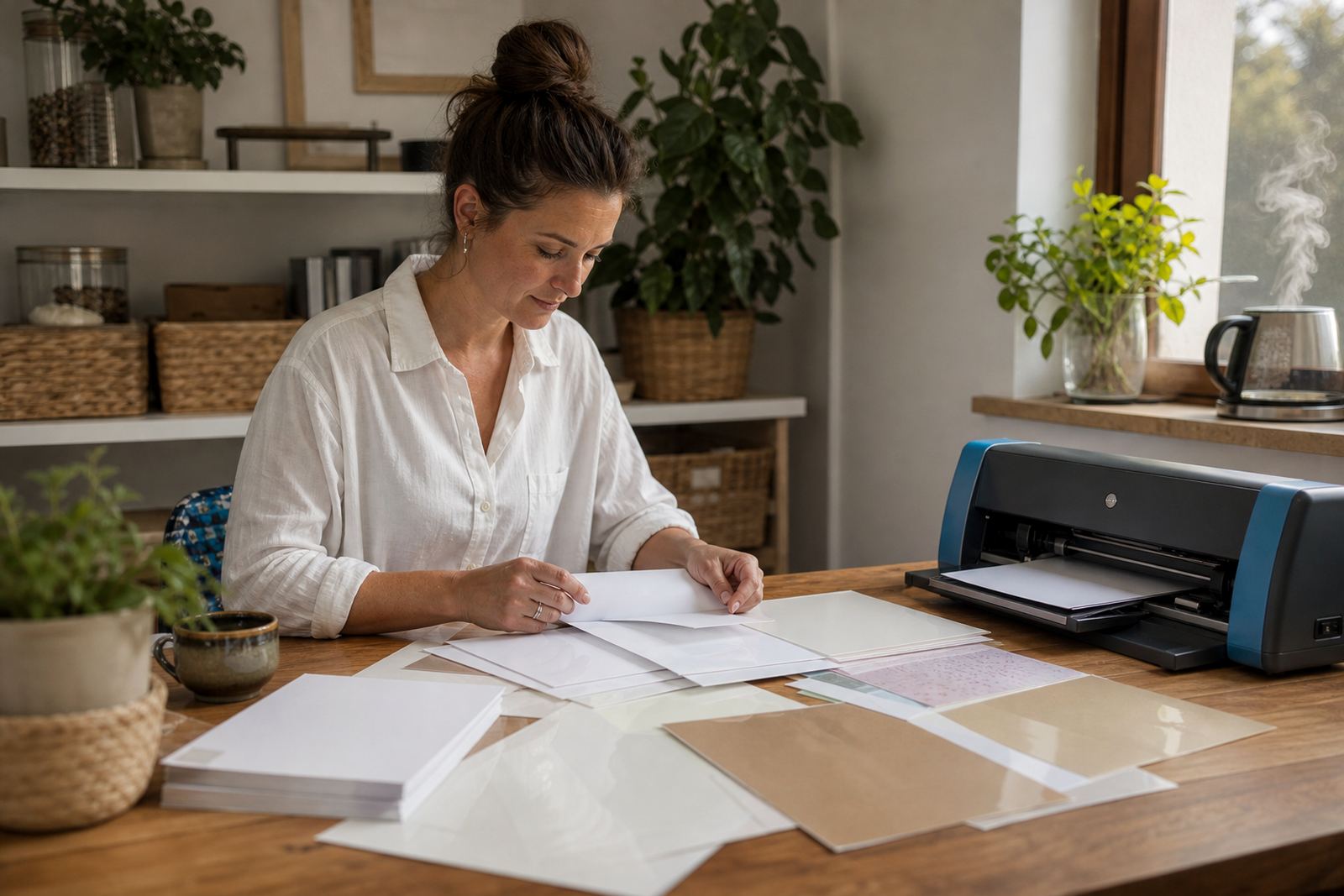
For home label projects, the most reliable approach is calm handling. Use the paper only after it has settled in the room for a while, then print in smaller batches if the weather is sticky. This gives the sheet time to stabilise and makes the print look cleaner on jars, packaging and school project labels.
- Run a single test sheet before a full stack.
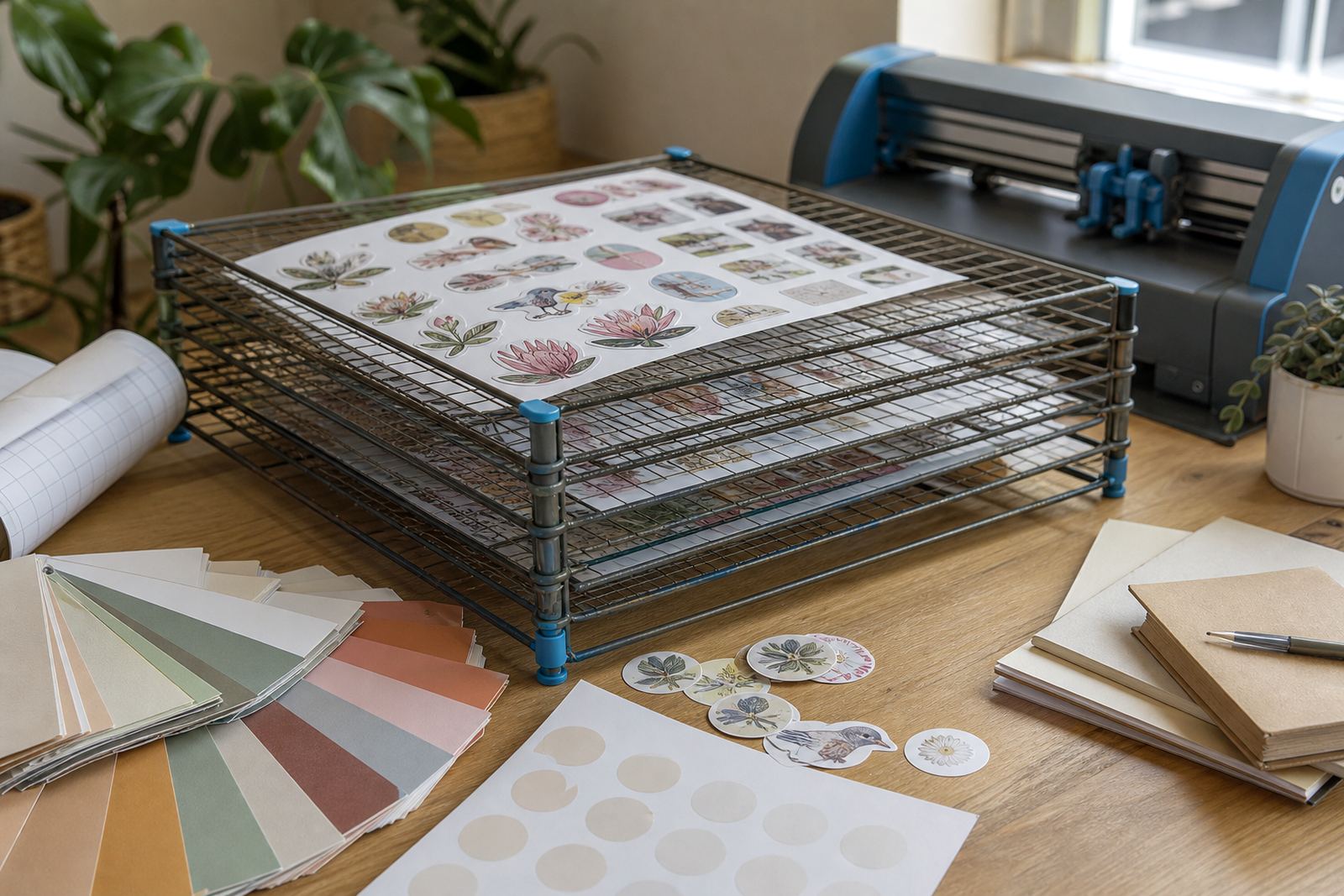
- Allow freshly printed sheets to dry on a flat surface.
- Do not stack hot prints tightly together.
- Keep your printer tray clean so damp edges do not catch.
Cutting clean shapes when paper feels soft
Warm, moist air can change how sticker paper cuts. A sheet that feels slightly soft may drag more under a craft cutter, and hand cutting can leave rougher edges if the paper bends during the cut. That matters when you are making pantry labels, party favours or small gift tags where the finish has to look neat.
Clear sheets and vinyl sheets are often used for labels that need a cleaner look, while matte and kraft are popular for a softer finish. Whatever the material, a damp room can make the backing less stable. If the paper curls, flatten it under a clean weight for a short while before cutting, then remove it carefully so the sheet does not crease.
When using a craft cutter, check that the mat is clean and the sheet is pressed down evenly. For hand cutting, a sharp blade and a ruler help keep corners tidy. The paper should move smoothly under the blade, not buckle or skate around on the table.
- Press sheets flat before you cut them.
- Use a clean mat with strong, even grip.
- Trim slowly around detailed shapes.
- Replace dull blades before the edges start tearing.
Durbanville weather and the label table
A local example makes the problem easier to picture. In Durbanville, a home maker preparing spice labels for glass jars may print on a warm afternoon after a humid morning. The stack has been sitting in a room that catches afternoon heat, and the top few sheets have lifted slightly at the corners.
Those curled edges can affect the first print, then the issue carries through the cutting stage. If the labels are for a pantry shelf, even small shifts in colour or alignment become noticeable once the jars are lined up. A sheet that looked fine in the pack can behave differently once it has spent time in a room with rising moisture.
The fix is practical rather than complicated. Move the paper to a drier room, leave it flat for a while, then print a fresh test sheet. If the project uses clear labels on bottles, wipe the surface of the container before application so trapped moisture does not show through the sticker. In homes near the coast, that extra care helps the finish last longer and look neater.
Aftercare for printed sheets and finished labels
Once a sheet is printed, the way it is handled matters just as much as the storage before printing. Fresh ink should not be trapped under a heavy pile, and cut labels should not be stacked while they still feel tacky. Let the paper rest on a dry, level surface until the surface has settled.
Finished labels also benefit from sensible storage. A label sheet kept in a hot cupboard or near a kettle can soften over time, especially if the room gets damp in the evening. Keep spare stock in its original wrap where possible, and close opened packs tightly so the air around them stays steadier.
For people making personal gifts, storage labels or school projects, this kind of care protects the finish you worked for. It also reduces waste, because fewer sheets need to be reprinted after curling, smudging or shifting during cutting.
- Let printed sheets dry fully before stacking.
- Keep spare stock sealed and flat.
- Store finished labels away from steam and direct heat.
- Use clean hands when moving glossy or clear sheets.
A steadier routine for muggy days
Heat and humidity do not ruin printable sticker paper, but they do ask for a steadier routine. A cool cupboard, a flat stack and a short test print can save time, paper and frustration. That matters whether you are printing a few home organisation labels or preparing a larger batch for a craft project.
Across South Africa, weather changes from city to city, and coastal moisture can be especially noticeable in Cape Town, Durban and other places near the sea. The paper does not need special treatment, only careful handling that respects the room it is stored in. Once the sheets have settled, they print more cleanly and cut more neatly.
For crafters and home makers, the goal is consistency. Keep the paper dry, keep it flat and give it time to settle before use. That simple routine makes printable sticker paper far easier to work with when the air feels heavy and the room runs warm.