
Labels that keep a classroom moving
A busy classroom runs on small systems. A clear label on a folder, tray, book basket or stationery tub can save a few minutes here and there, and that adds up over a school week. Teachers often use printable sticker paper for names, subject groups, reading levels, lunch tubs, homework files and reward stickers.
In Durbanville and across Cape Town, many teachers also label items that travel between home and school. That includes reading logs, communication books, spelling cards and learners’ book covers. A good label should stay readable after handling, sit neatly on the surface and not lift at the edges when the weather turns damp.
- Reward stars for class charts
- Name labels for books and pencil tins
- Colour coded labels for reading groups
- Subject stickers for file tabs and folders
Matching the paper to the task
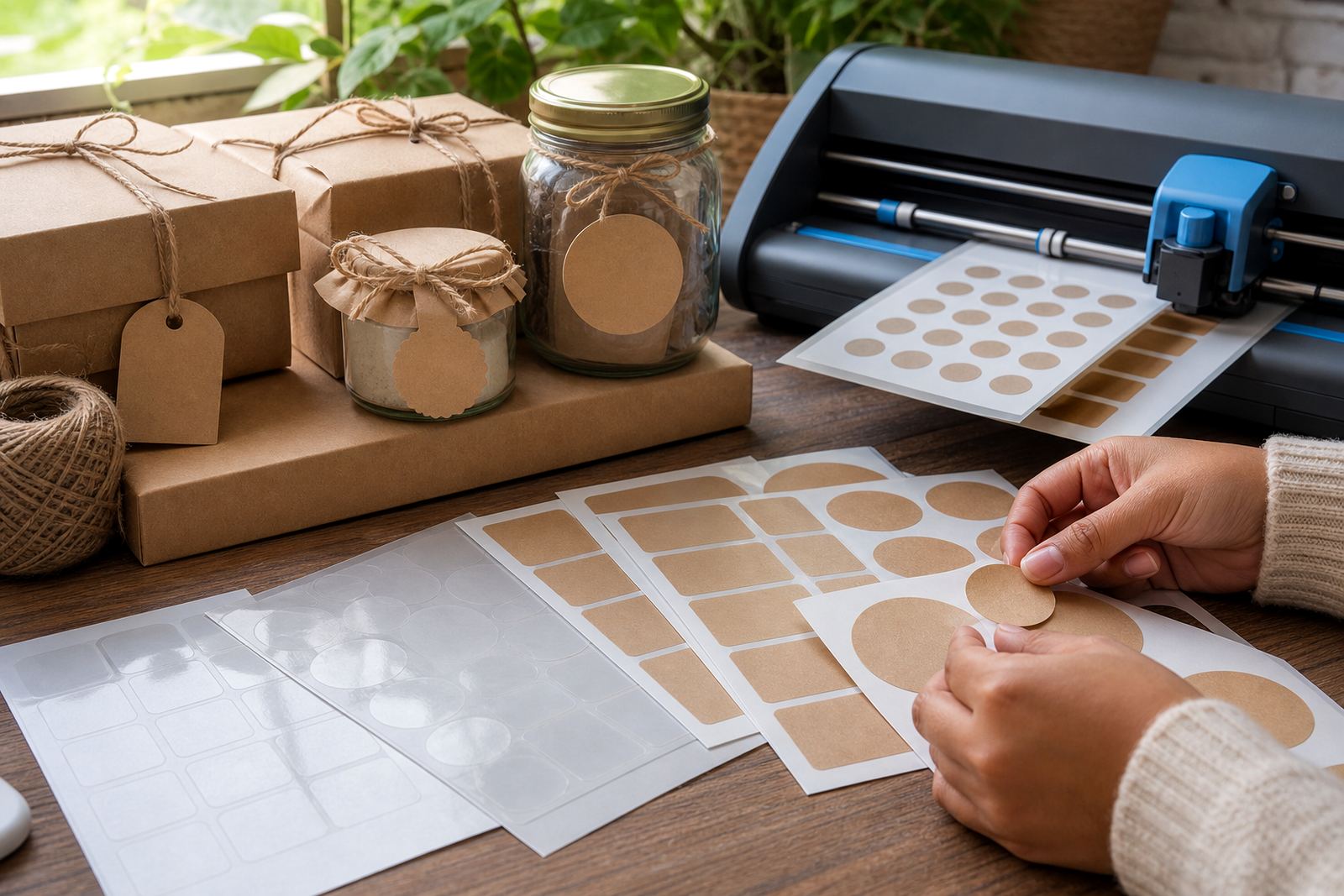
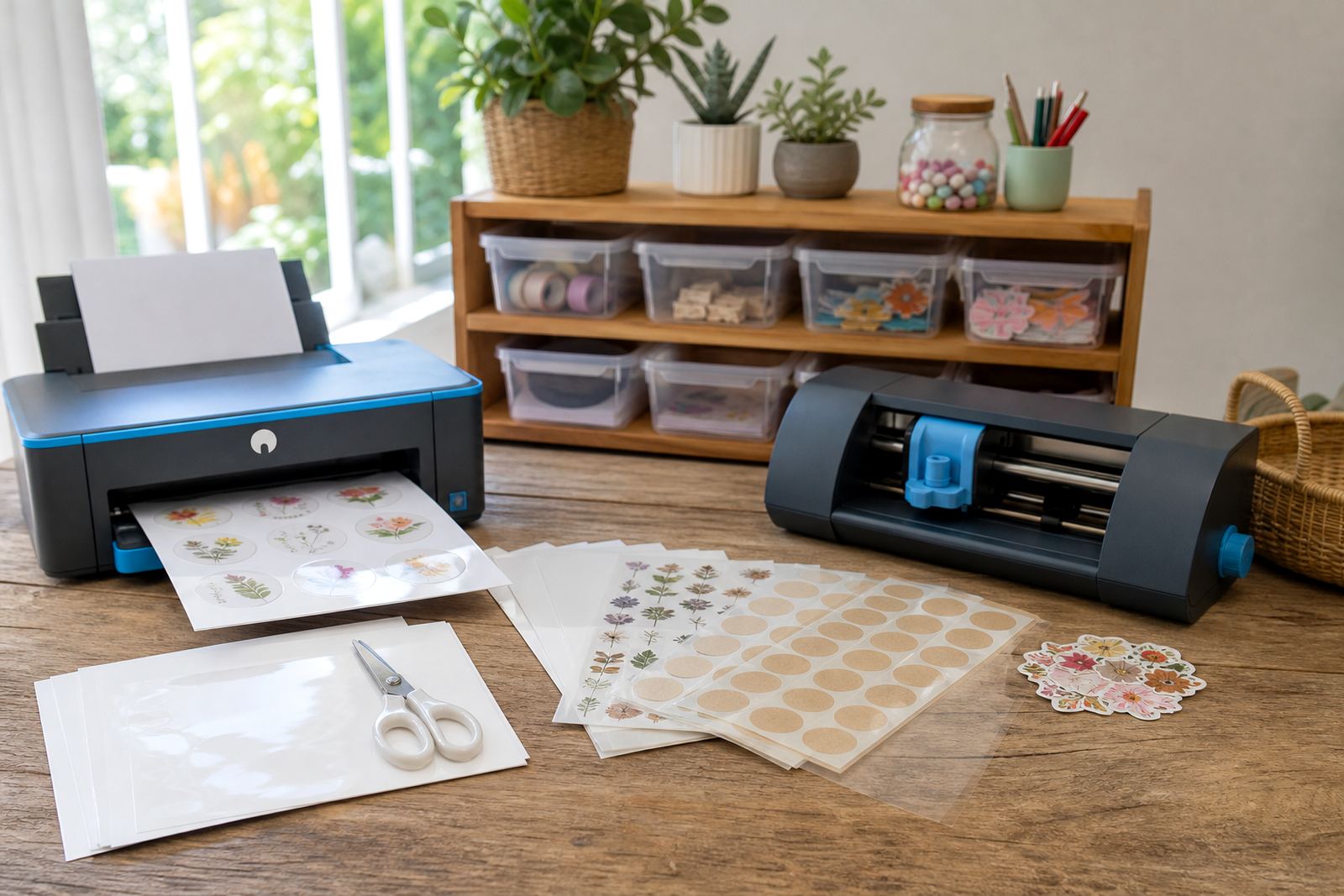
Different sticker paper finishes suit different classroom jobs. Matte printable sticker paper works well when the label needs to be written on later or read under bright light. Gloss gives a sharper finish for full colour artwork, charts and illustrated badges. Clear sticker paper suits glass jars, stationery containers and surface labelling where the background should show through. Vinyl is useful when the label may be handled often or needs a stronger surface. Kraft gives a warm, natural look for classroom decor, library bins and handmade tags.
Inkjet and laser compatibility matter as well. Some teachers print at home, others use a school printer or a print shop, so it helps to choose a sheet made for the printer at hand. If the paper is not matched to the printer type, colours can look dull or the toner may not sit properly. For classroom work, it is worth checking the finish before cutting a full batch of labels.
- Matte for handwritten notes and low glare reading
- Gloss for bright colour and picture labels
- Clear for jars, tubs and see through containers
- Vinyl for tougher handling and frequent use
- Kraft for a natural classroom or library style
Cutting sheets for neat classroom batches
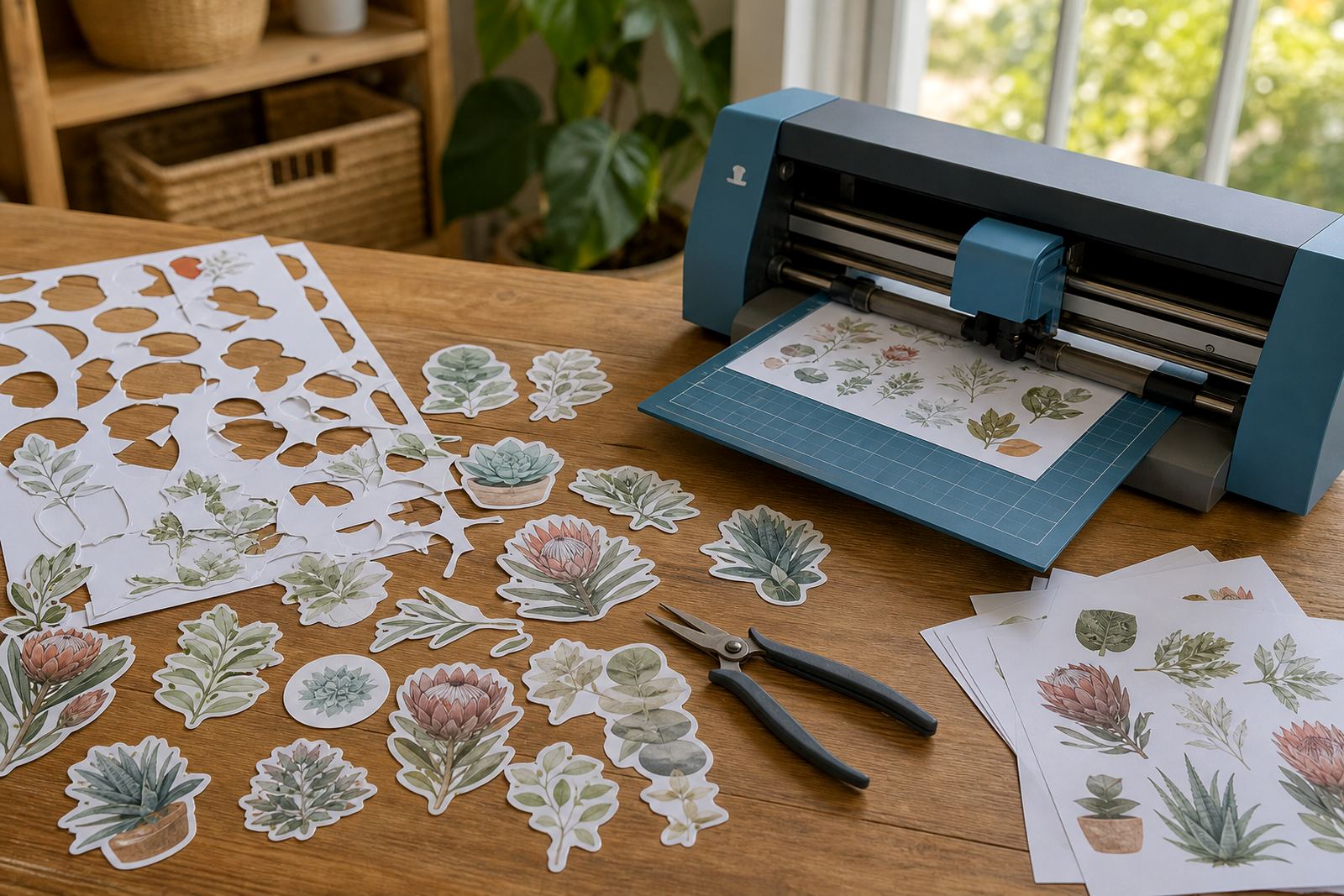
Teacher labels often need to be cut in groups, so the shape and layout matter. Straight cuts work well for file tabs, book labels and subject strips. Round labels suit reward charts and water bottles. A craft cutter is useful when the same size has to be repeated across a class set, while hand cutting gives more control for small runs or mixed shapes. Keep blades sharp, because dull blades can tug at the sticker edge and leave a rough finish.
It also helps to let printed sheets sit flat before cutting. In humid coastal weather, especially around Cape Town and Durban, paper can curl a bit after printing. Storing sheets in a dry place and using clean hands when handling them keeps the adhesive side in better condition. Teachers who prepare labels over the weekend often find it easier to print, rest, cut and then apply on Monday morning.
- Use a metal ruler for long straight edges
- Leave a small margin when trimming by hand
- Test one sheet before cutting a full stack
- Store unused sheets flat in a dry cupboard
Rewards, folders and book labels that stay useful
Teacher label ideas work best when they serve a job, not just decoration. A reward label should be clear at a glance. A folder label should help learners put work in the right place. A book label should stand up to daily handling, school bags and the odd juice spill. That is where the right finish matters, because a label that looks good on day one should still be readable after repeated use.
Many classrooms use a simple colour code. Red for homework, blue for reading, green for art and yellow for notices. A consistent system makes the room easier to manage, especially when several learners share shelves, tubs and baskets. Printable sticker paper also helps when labels need to match classroom themes, learner names or term projects without reordering pre printed stock.
At a primary school in Durban North, a teacher might print name stickers for library books, strip labels for supply trays and small reward icons for behaviour charts in the same afternoon. That kind of set up works well because the labels are easy to sort, easy to cut and easy to place without extra fuss.
Applying stickers without bubbling or lifting
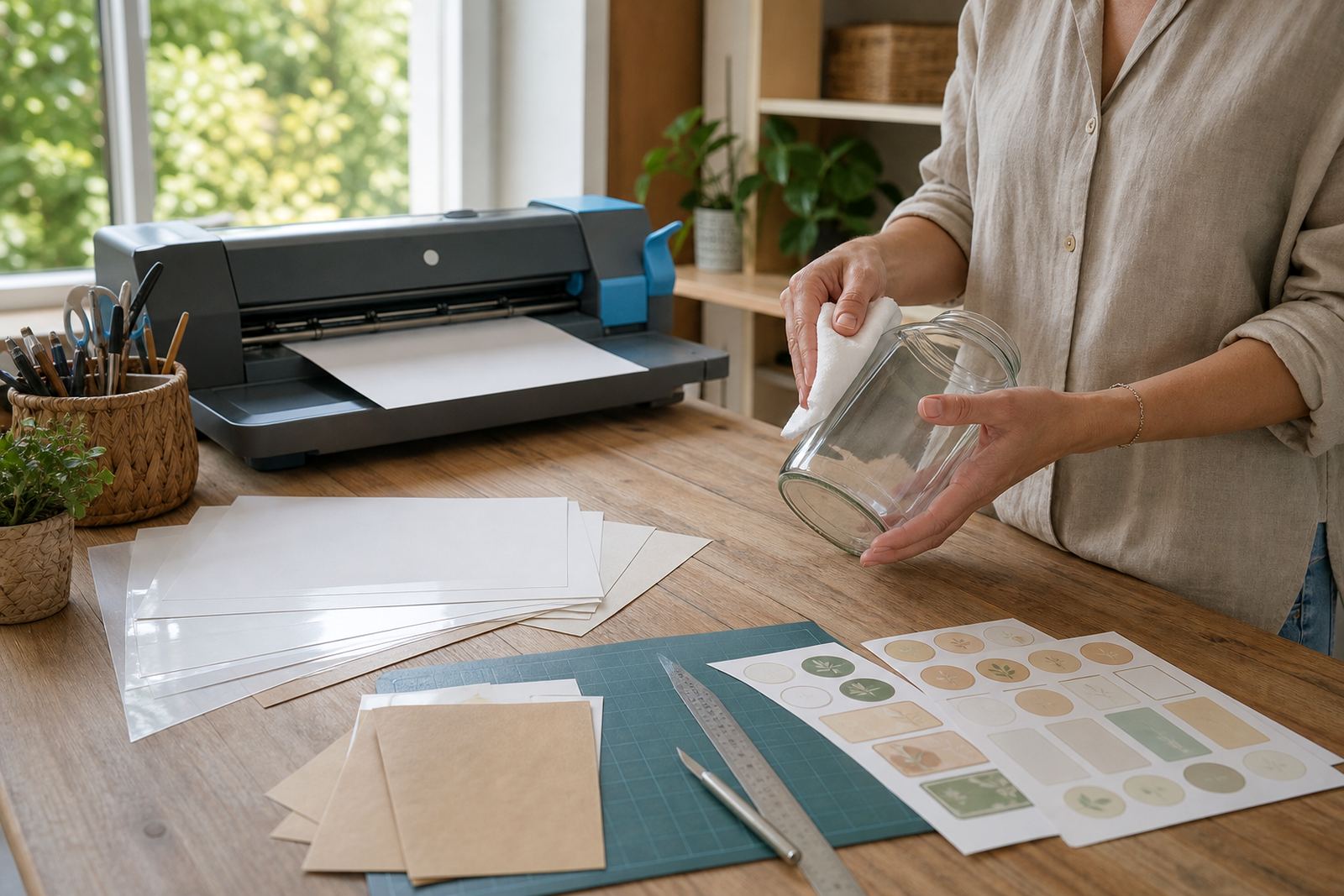
Good application starts with a clean surface. Dust, paper fibres and moisture can weaken the bond, so it helps to wipe down the item first and let it dry. Place the sticker from one side to the other rather than dropping it flat in the middle. That reduces trapped air and gives a neater finish. On curved bottles or rounded tubs, press from the centre outward with firm fingers or a soft cloth.
If the label sits on a book cover or plastic container, avoid rubbing too hard at the edges straight after application. A short settling time helps the adhesive grip more evenly. Teachers who label many items at once often work in small batches, then check the edges after a few minutes. That is usually enough to spot a lifted corner before the item goes into a bag or shelf.
When printing classroom labels, colour tests help too. A quick test on plain paper can show spacing and font size before the sticker sheet is used. That saves material and makes the final labels easier to read from across the room.
Ordering for a school term without wasting sheets
Teachers often plan labels around a term theme, a reading drive or a classroom reorganisation. It helps to think in batches. Start with the labels that get handled most, then add the decorative or project based items after that. If a class has multiple groups, it can be useful to keep the same size label across folders and trays so spare sheets are easier to use later.
Printable sticker paper suits homes, preschools and primary classrooms where labels need to be made in small or medium runs. For teachers in Johannesburg, Pretoria, Bloemfontein, Stellenbosch or Paarl, online ordering makes it easier to keep a stock of the right finish on hand for the next project. The same applies in Cape Town schools where classrooms may need labels for book corners, art shelves and shared stationery in one go.
StickerPaper supplies printable sticker paper for crafters and home makers across South Africa, with delivery to major cities and surrounding areas. The right sheet can turn a plain folder, jar or book into something clear, tidy and easy to use.