When the label should sit lightly on the surface
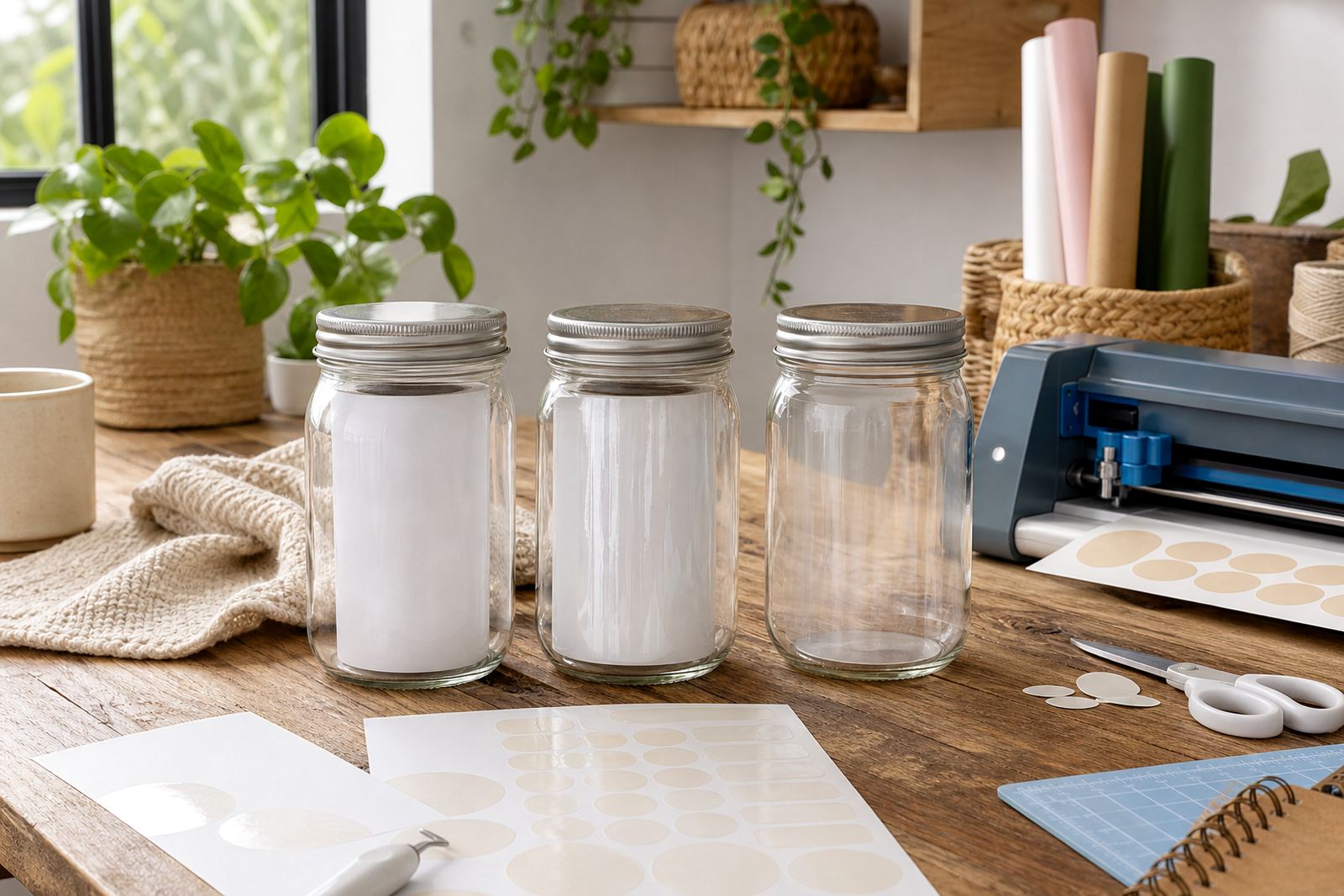
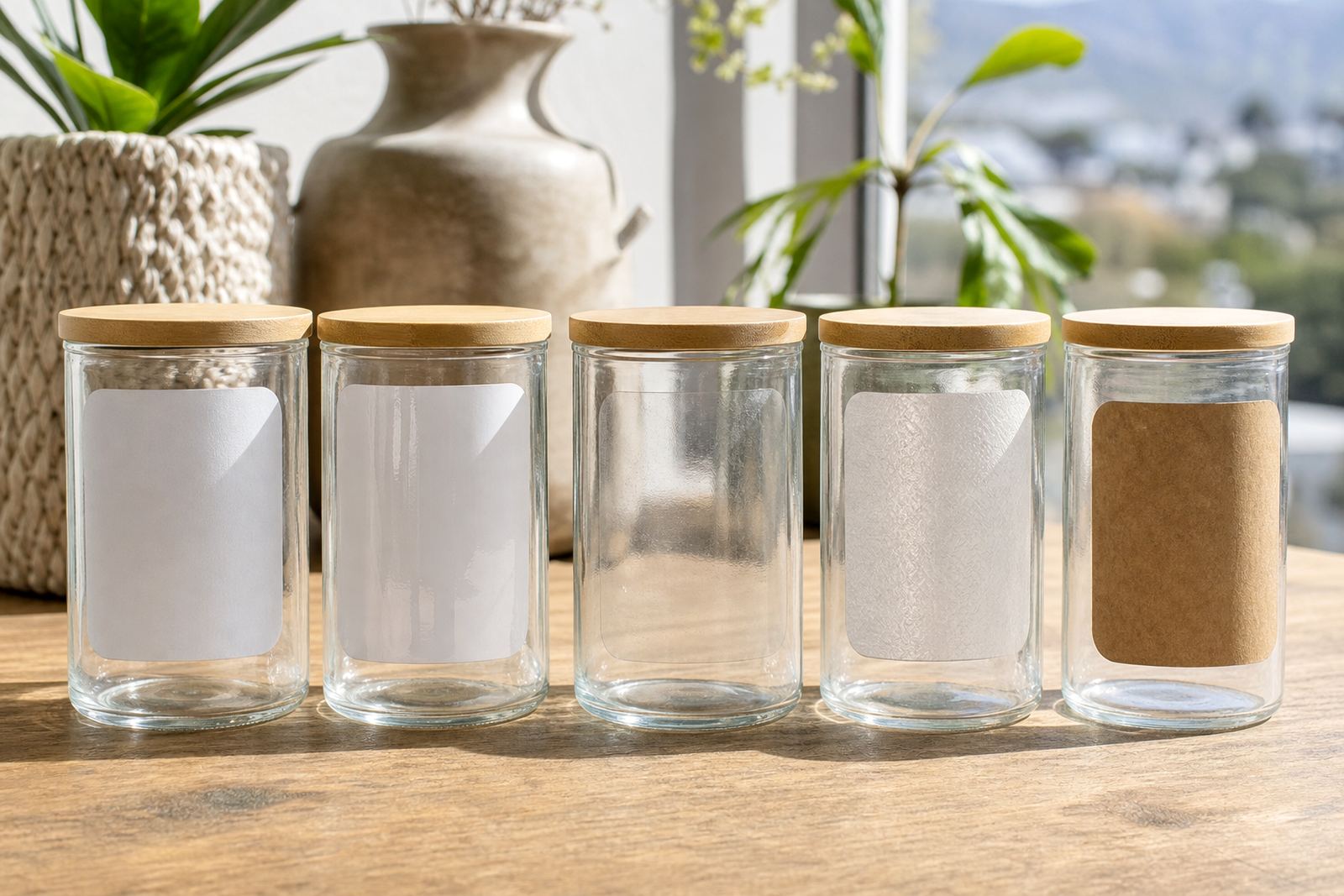
Clear labels are a good match for containers where you want the contents or the colour of the jar to stay visible. On glass, smooth plastic and sealed tins, the label looks less heavy than a white sticker and can feel more at home on modern pantry jars, gift hampers and bathroom bottles. It is a tidy choice when the print must carry the message, not the background.
In a Durbanville kitchen, that can mean olive oil bottles, spice jars, handwash decants and lunch containers all carrying a consistent look. The clear sheet lets the surface below do some of the visual work, which is helpful when you are labelling mixed jars from different suppliers or repurposed containers. It can look sharp on pale packaging and still stay readable on darker items if the artwork is set up properly.
Inkjet, laser and the print finish you want
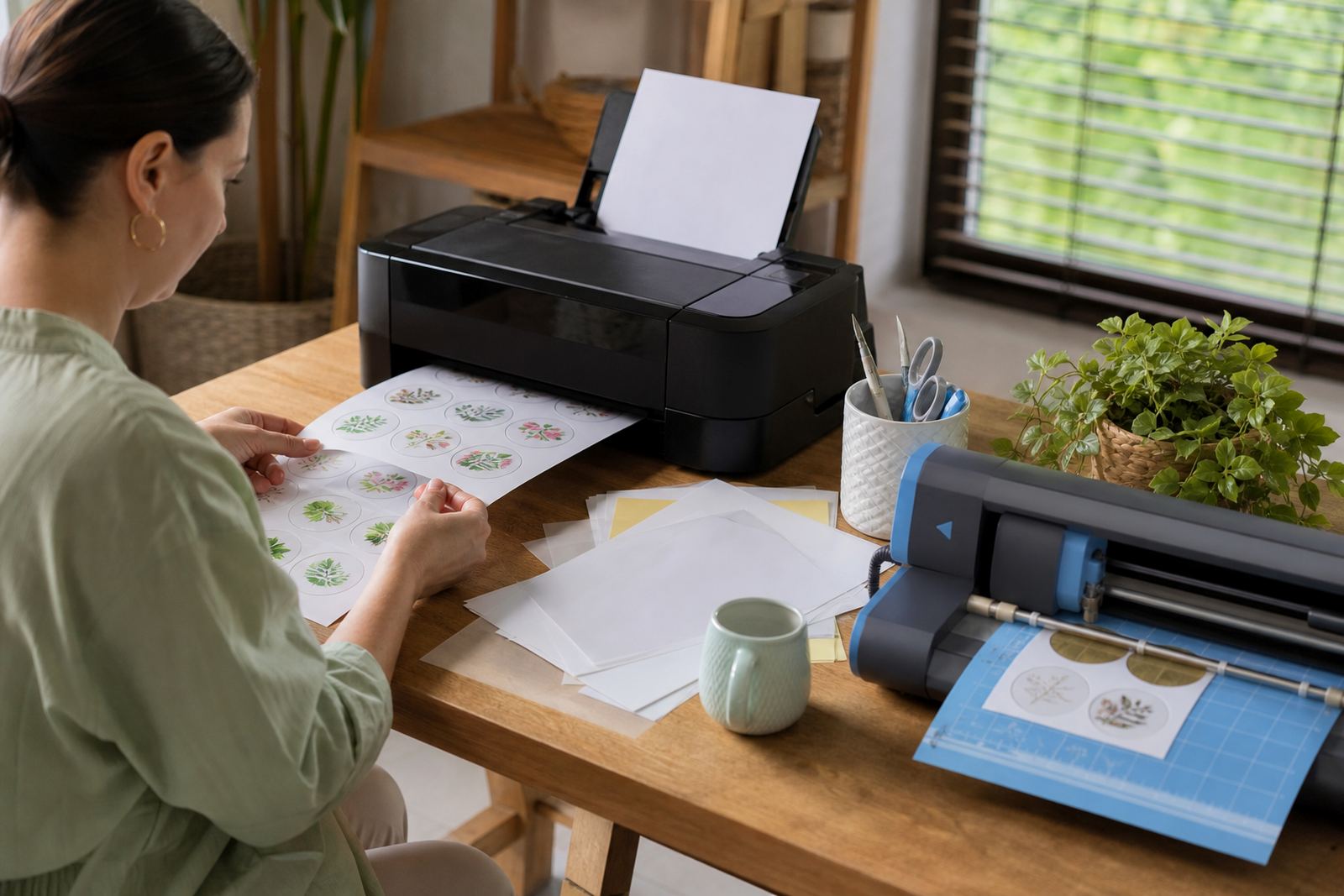
Clear sticker paper is not all the same, so matching the sheet to the printer matters. Inkjet-friendly sheets are made to take liquid ink cleanly, while laser-friendly sheets are made for toner and the heat used in that process. If the wrong type is used, the print can smudge, bead or lift at the edges, which is a waste of time and material.
- Inkjet sheets suit home printers that use liquid ink and need careful drying time.
- Laser sheets suit toner printing and can give a firmer, drier finish off the machine.
- Always check whether the clear film accepts colour in a way that keeps text legible.
- Test one sheet first if the artwork has pale colours or fine lines.
Clear labels need a little more thought than matte white labels because the colour layer is sitting on a transparent base. Light shades can disappear on dark glass, and black text can pick up a slightly different look depending on the ink and the finish. That is normal, but it is worth planning for before a full run.
Clear labels in kitchens, bathrooms and gift work
For home organisation, clear labels work well where the container itself already adds to the look. Pantry jars, laundry tubs, spice bottles and cosmetic jars often look cleaner with a transparent label than with a bright white block. The result feels calmer on a shelf, especially when you have a row of the same containers and want the contents to remain the main feature.
They also suit handmade gifts. A clear label on a candle jar, soap bottle or jar of biscuits can carry a name, ingredient note or short message without hiding the item inside. For crafters in Cape Town and surrounding areas, that can be handy when preparing sets for markets, kitchen gifts or event favours where the packaging already has its own colour and texture.
- Use clear labels on glass jars with straight sides for the cleanest finish.
- Choose bolder text on darker containers so the wording stays easy to read.
- Keep the artwork simple if the surface below has strong patterns.
- Leave enough border around the shape so cutting stays neat.
Cutting by hand or with a craft cutter
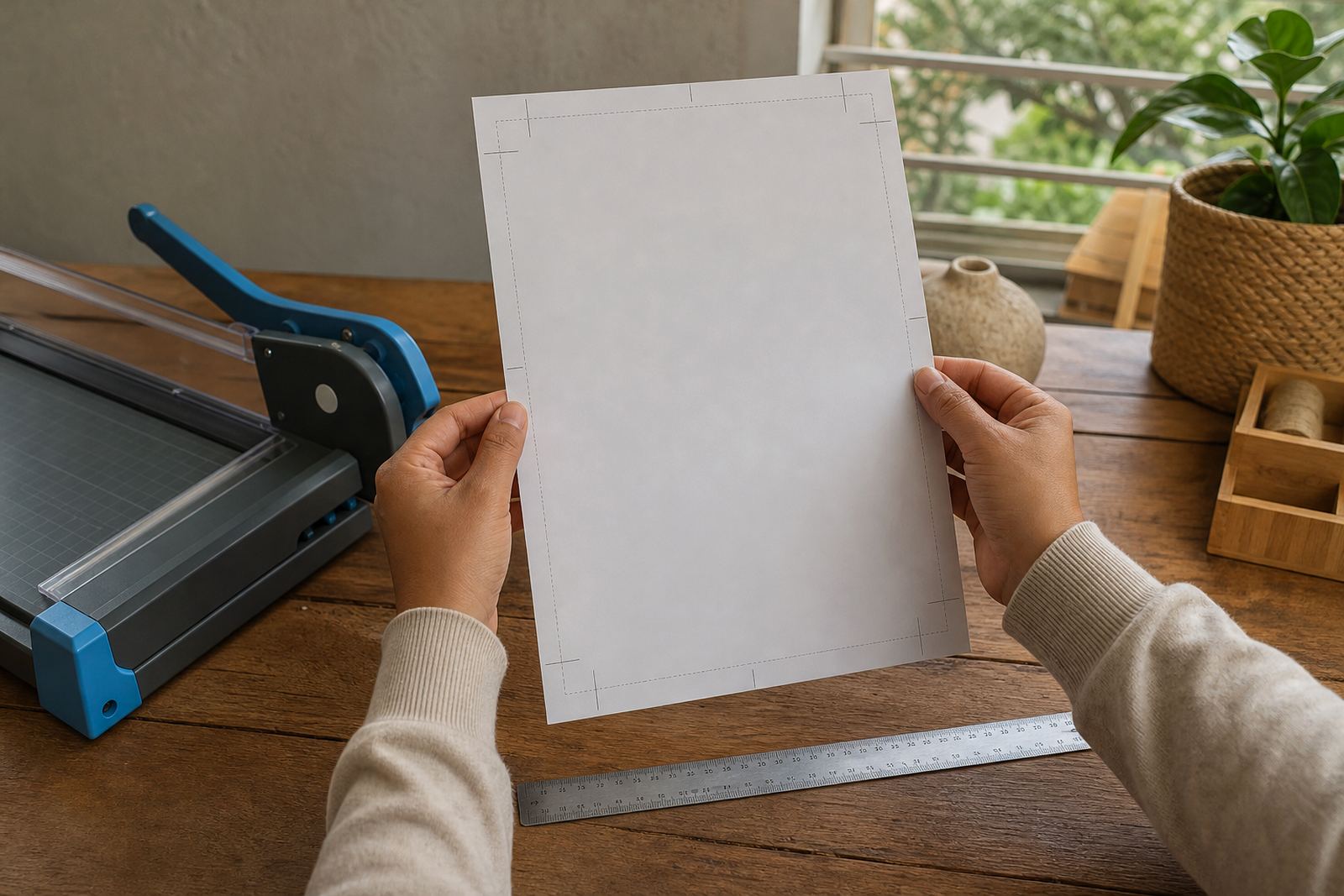
Clear sticker paper can be cut by hand with scissors, a craft knife or a trimmer, and it can also work with a craft cutter when the settings are matched to the sheet. Because the material is transparent, cut lines can be harder to spot at first glance, so good lighting helps. A mat underneath and a steady edge make a difference when you are making small runs at home.
When using a craft cutter, a simple test shape is worth doing before a full design sheet. Some clear sheets are thinner and need a lighter cut, while others need a firmer pass to separate cleanly from the liner. If the cut goes too deep, the backing can scar and the label may lift awkwardly at the corners. If it is too light, weeding becomes fiddly and wasteful.
For hand cutting, rounded corners usually last better on jars and bottles. Straight corners can catch sooner when a label is rubbed, washed or handled often. A few millimetres shaved off the corners can make the difference between a label that stays tidy and one that starts to peel at the edges.
Care that keeps the finish looking clean
Clear labels reward careful surface prep. The item should be dry, free of dust and free of oil before the label goes on, especially on kitchen jars and soap bottles that may have residue from filling. A quick wipe with a clean cloth is usually enough, but the surface must be fully dry before pressing the sticker down.
Once applied, firm pressure across the whole label helps the adhesive settle. Work from the centre outward to push out air pockets, and do not rush the first few seconds because clear film can trap bubbles that are more visible than on white material. On curved bottles, a narrow label often sits better than a full wrap that has to stretch.
- Store sheets flat in a dry place away from damp corners.
- Keep unused sheets in their sleeve so the surface stays clean.
- Allow fresh print to dry before cutting or handling.
- Avoid placing labels on rough, textured or oily surfaces.
A Durbanville kitchen shelf as a real example
Picture a Durbanville home with a row of glass jars holding rice, oats, sugar and baking ingredients. A clear label keeps the jar visible, so the shelf still feels open rather than boxed in by white rectangles. Add the same clear finish to coffee tins, seed jars or snack containers and the whole set looks more orderly without making every item look identical.
That same approach works for Cape Town makers who sell gift jars or packaged homemade treats. Clear labels help the product stay front and centre, which is useful when the contents have natural colour or texture worth showing. It also gives a neat result across mixed packaging sizes, from small sample bottles to larger pantry containers. On smooth surfaces, the label sits quietly and still carries the information that matters.
For people who want a lighter visual effect without losing practicality, clear sticker paper is often the right middle ground. It is useful for labels that should support the item, not take over the front of it, and it fits comfortably into kitchen organisation, gifting and small-batch craft work.
Matching the clear sheet to the job
There are times when clear is the best fit, and times when matte, gloss, vinyl or kraft makes more sense. If the surface beneath is strong enough to show through and you want that softened look, clear is the option to reach for. If the label needs strong contrast on a dark jar, a white or kraft base may read better. The job decides the sheet, not the other way round.
For crafters working across South Africa, that choice can depend on where the label is going, how often it will be handled and what kind of finish looks right on the product. Clear labels are especially useful when the container itself is part of the presentation, and when a lighter visual line makes the whole project feel more considered.