
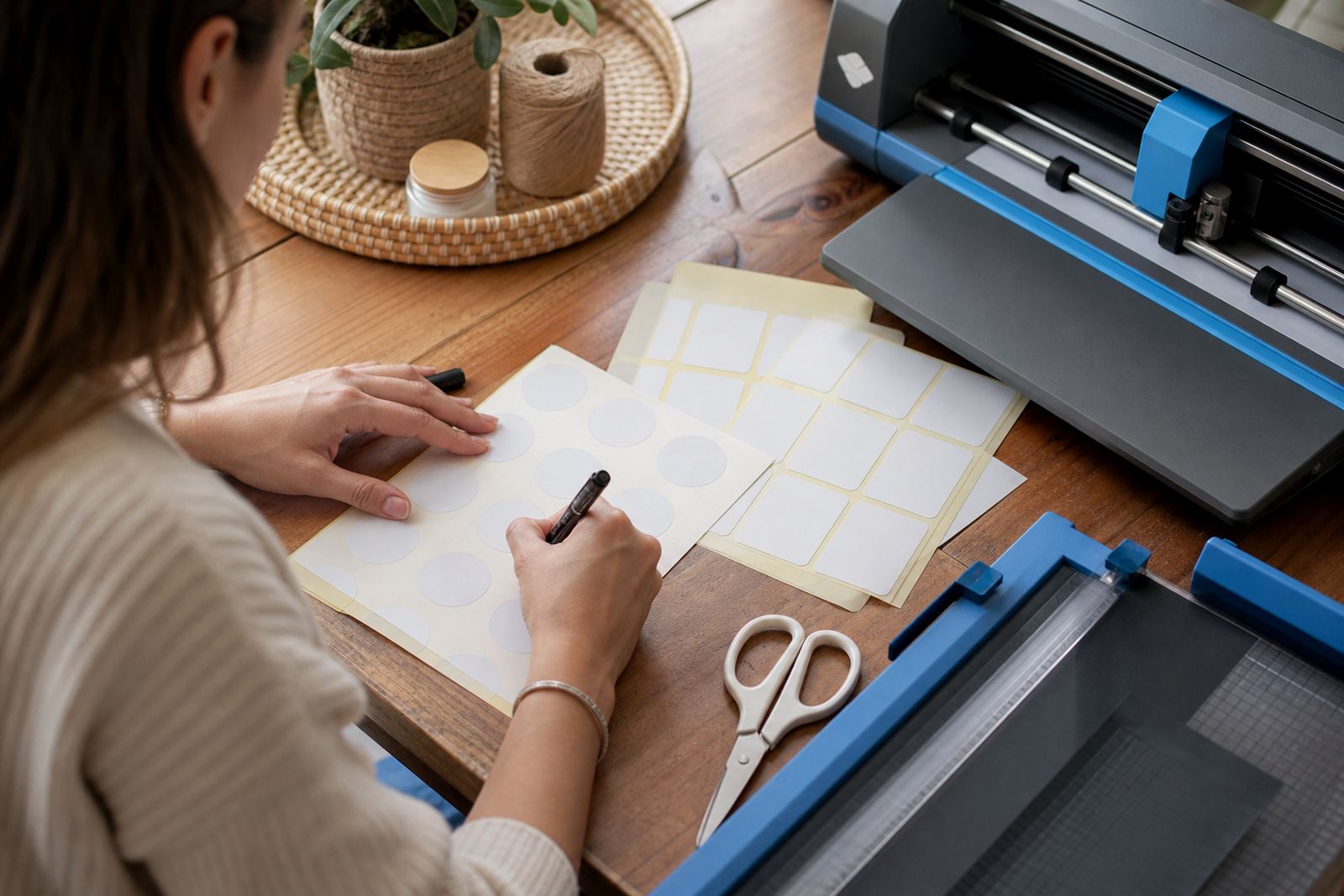
A matte finish gives your handwriting room to read well
When a label needs a name, date, ingredient list or quick note after printing, matte paper is usually the easier surface to work on. The finish is low shine, so the writing sits plainly on the page instead of catching light the way glossy stock can.
That matters for cupboards, school folders, storage boxes and small-batch products where the label may be handled often. In a Durbanville kitchen, for example, a jar label for rooibos biscuits can be printed with a heading and later filled in by hand with the bake date, while still looking neat on the shelf.
Choose the sheet type that suits the pen you plan to use
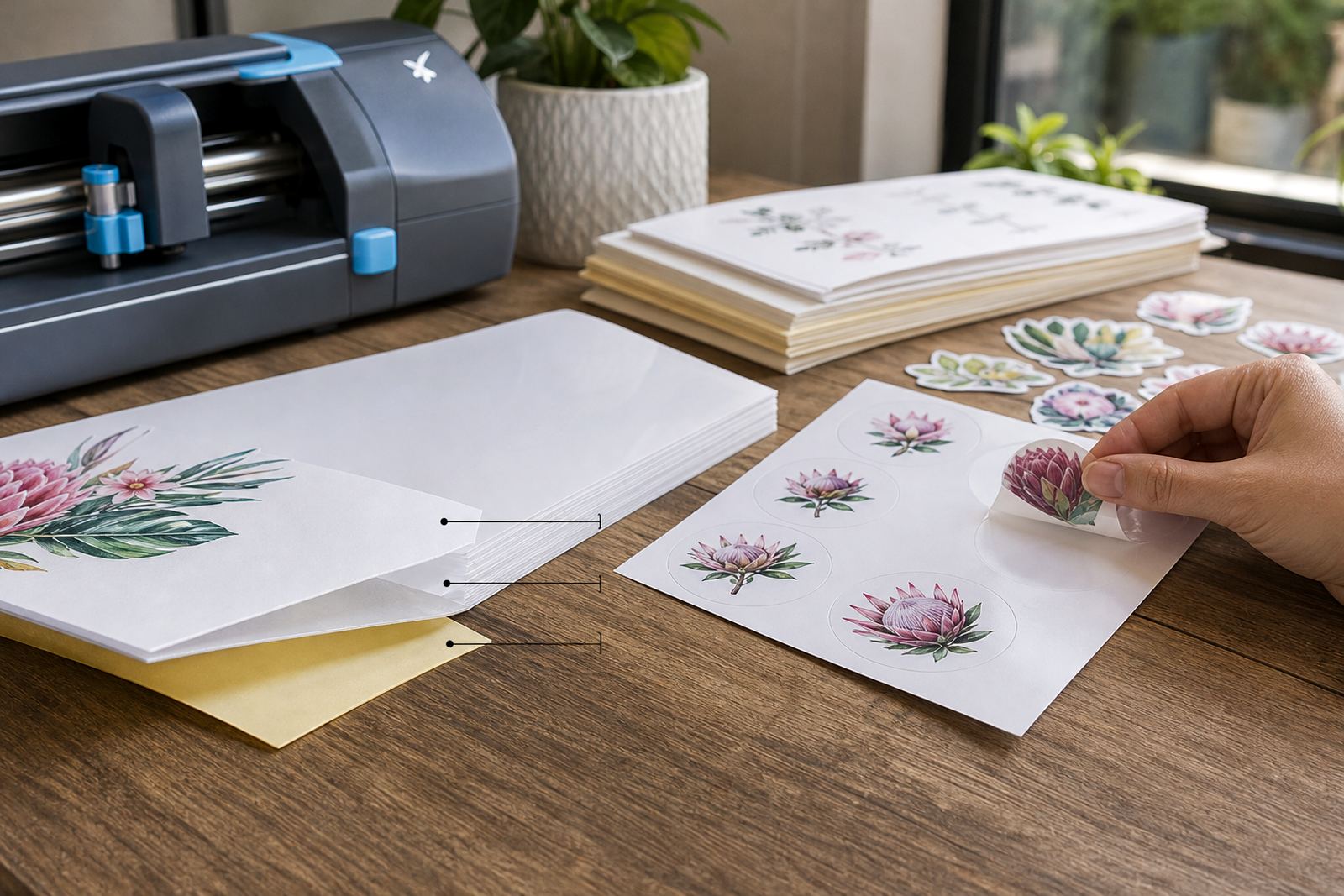
Matte printable sticker paper comes in different weights and adhesive types, and the writing result can change with each one. A lighter sheet may take pencil well, while a smoother matte surface can work better with fineliners and gel pens. A stronger adhesive also helps the label stay flat on plastic tubs, glass jars and storage bins.
- Use matte for handwritten ingredients, dates and storage notes.
- Use clear matte when you want the background to show through.
- Use kraft matte for a warmer, handmade look on gifts and parcels.
- Use vinyl matte for items that need extra durability on smooth surfaces.
If you are labelling pantry jars in Cape Town where kitchens can get damp near the sink, a matte sheet that lies flat and dries cleanly is often easier to live with than a shiny surface.
Inkjet and laser printing need a careful match
Matte sticker paper can work with both inkjet and laser printers, but the sheet must suit the printer type. Inkjet printing usually gives richer colour on many matte sheets because the ink can settle into the surface. Laser printing needs paper that can handle heat without curling or smudging.
For home projects, it helps to test one sheet first when you are printing addresses, tea labels or craft tags. If the print sits too wet on the surface, give it more drying time before you write over it. If the toner looks faint, adjust printer settings before running a full stack.
- Match the paper to the printer type before loading a full sheet run.
- Check print settings for matte, label or presentation paper options.
- Leave printed sheets flat until the surface feels fully dry or cooled.
- Keep spare sheets in a dry place, away from steam and direct sun.
Handwriting sits better when the label is trimmed cleanly
Clean edges make matte labels easier to write on, especially when the note must stay inside a narrow panel. A label cut with a sharp blade, craft cutter or scissors usually leaves a tidier margin for handwriting than one with ragged edges. That small difference helps when you are adding prices, batch notes or storage dates by hand.
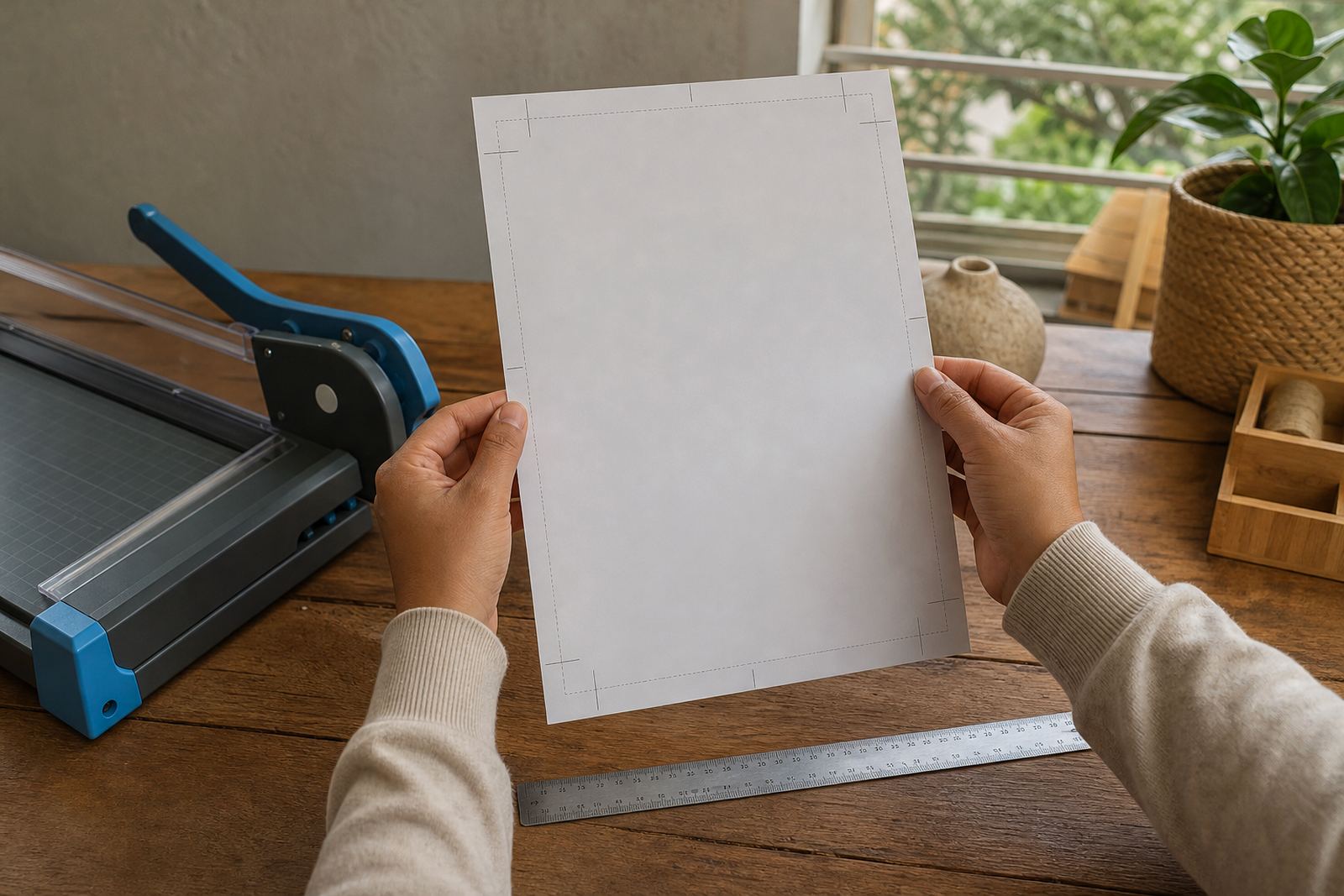
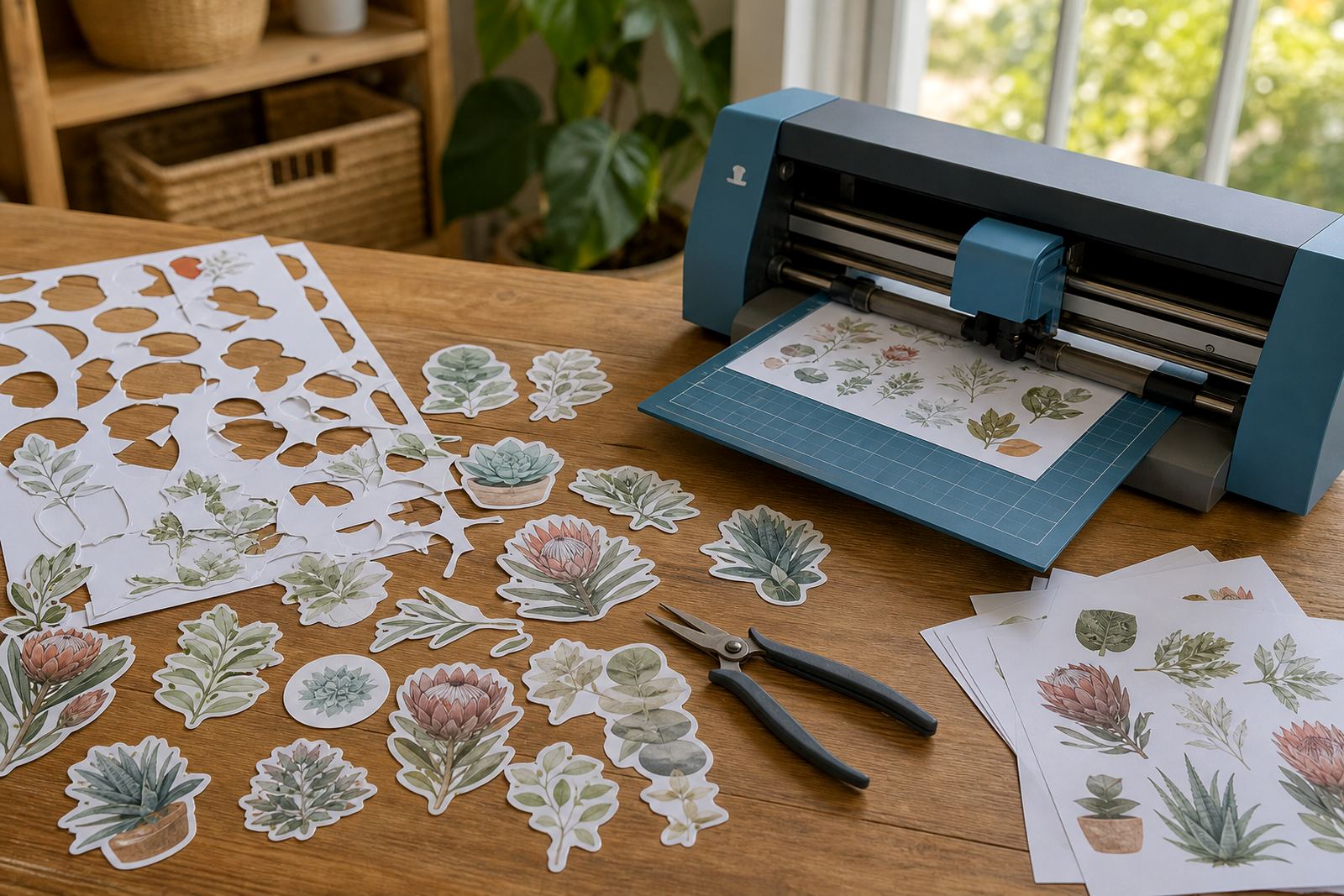
For people cutting by hand, a ruler and fresh blade are worth keeping close. Craft cutter users should check that the mat grip is even, so the sheet feeds without lifting at the corners. A neat cut also helps when the label is wrapped around a jar or box, because the writing stays level and does not tilt.
Where matte labels earn their place in a South African home
Matte sticker paper fits plenty of everyday jobs around the house. It is useful for kitchen storage, laundry rooms, gift packaging and children’s craft projects. On a small market table in Stellenbosch or Paarl, a printed matte label with a handwritten flavour note can look more personal than a glossy finish, and it is easier to update from batch to batch.
It also helps when the label needs quick changes. If a container moves from sugar to flour, or a gift needs a name added at the last minute, the matte surface gives enough grip for the pen without making the writing look patchy.
- Pantry jars and freezer tubs.
- School books, folders and stationery.
- Gift tags, favour boxes and party packs.
- Organisation labels for cupboards and storage crates.
Small care habits keep the finish ready for writing
Matte labels stay easier to use when they are stored flat and protected from dust. Heat, moisture and rough stacking can curl a sheet or mark the adhesive edge. In coastal areas like Durban, where humidity can be a factor, a sealed folder or box helps keep the paper in better condition before printing.
If you are writing after printing, let the ink or toner settle before handling the sheet too much. A light touch works best on matte surfaces. If the label needs extra protection, place it on a dry, clean surface first, then press from the centre outward so the writing area stays smooth and readable.
A simple choice for labels that still need a human note
Matte printable sticker paper suits projects that do not end at the printer. It leaves room for handwriting, corrections and personal notes, which is useful for crafters and home makers who work in small batches or label things as they go. The finish stays practical, readable and easy to live with on jars, packets, folders and gifts.
For a home maker in Pretoria packing spice jars for a family stall, matte labels let the printed title stay consistent while the hand added date or flavour keeps each batch current. That mix of print and handwriting is where matte really earns its place.