
Laser-safe sticker papers we guide you on
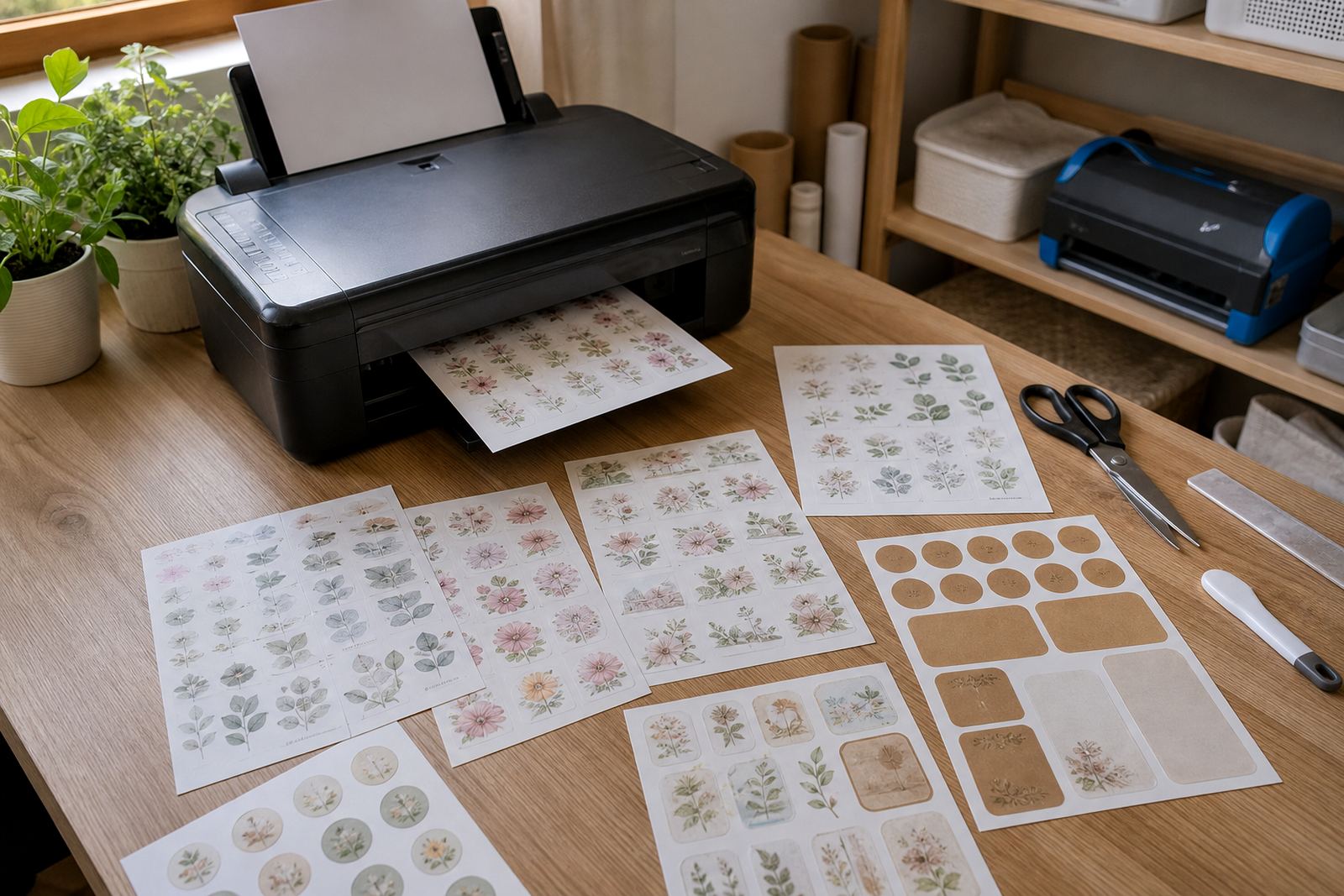
We help with printable sticker paper choices that suit laser printers, including matte, gloss, clear, vinyl and kraft looks. The point is to match the sheet to the printer heat, feeder path and the finish you want on labels, planner stickers, jar fronts or short-run craft projects.
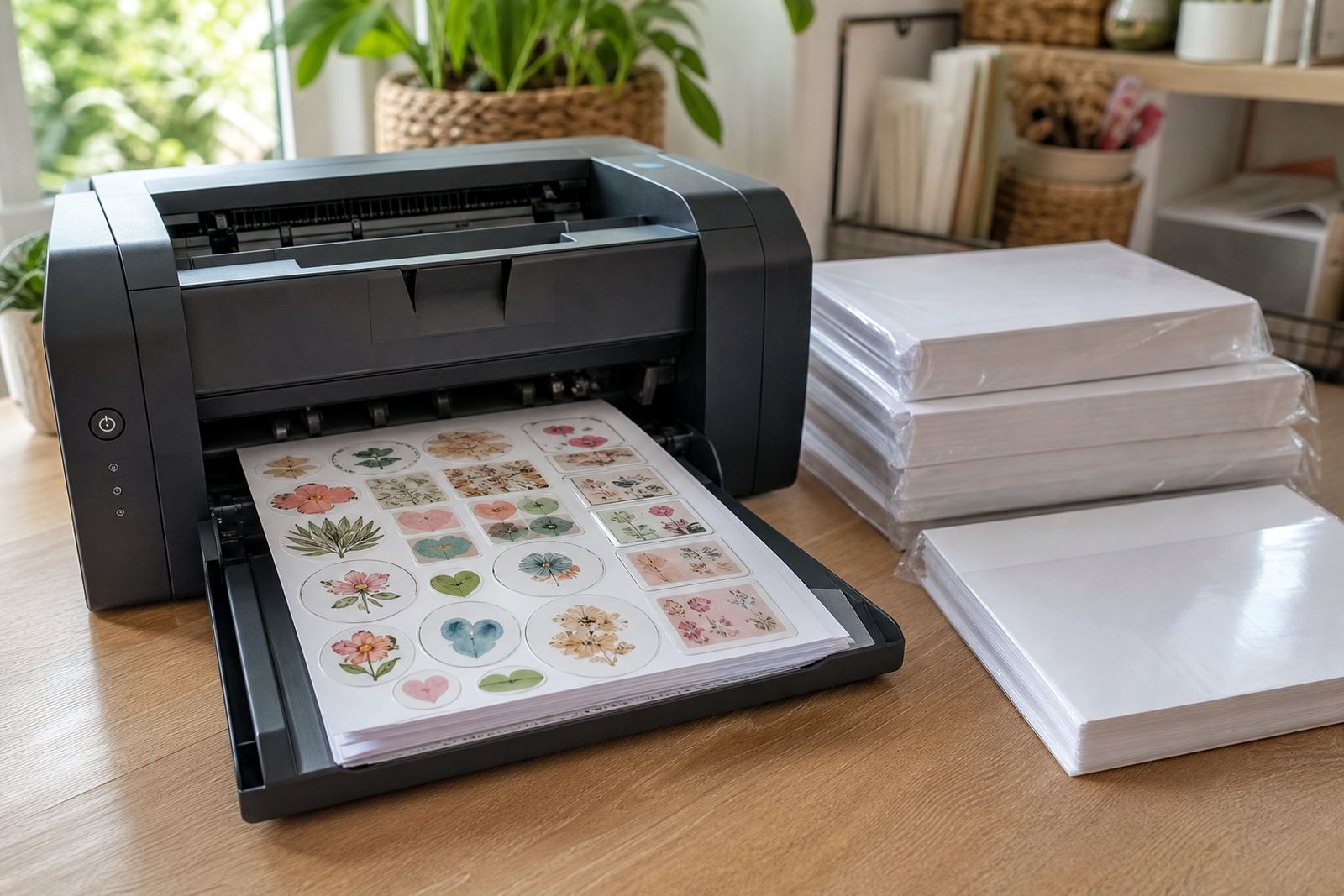
Laser printing uses heat to bond toner, so the face stock and adhesive need to cope with that process. Some sheets are made for crisp text and solid colour blocks, while others are better for decorative labels or mixed craft work. If a sheet is not suited to laser use, toner can flake, curl at the edges, or sit poorly on the surface.
- Matte sheets for writing space, muted colour and reduced glare
- Gloss sheets for brighter colour and a slicker finish
- Clear sheets for see-through labelling on glass or plastic
- Vinyl-style sheets for tougher handling and more durable stickers
- Kraft-look sheets for rustic tags, packaging and gifting labels
What the service covers from first setting to printed sheet
This service helps you prepare the print job properly before the sheet goes into the machine. We work through the practical side of laser printing on sticker paper, from paper feed direction and tray choice to print density, sheet orientation and how to avoid wasted stock.
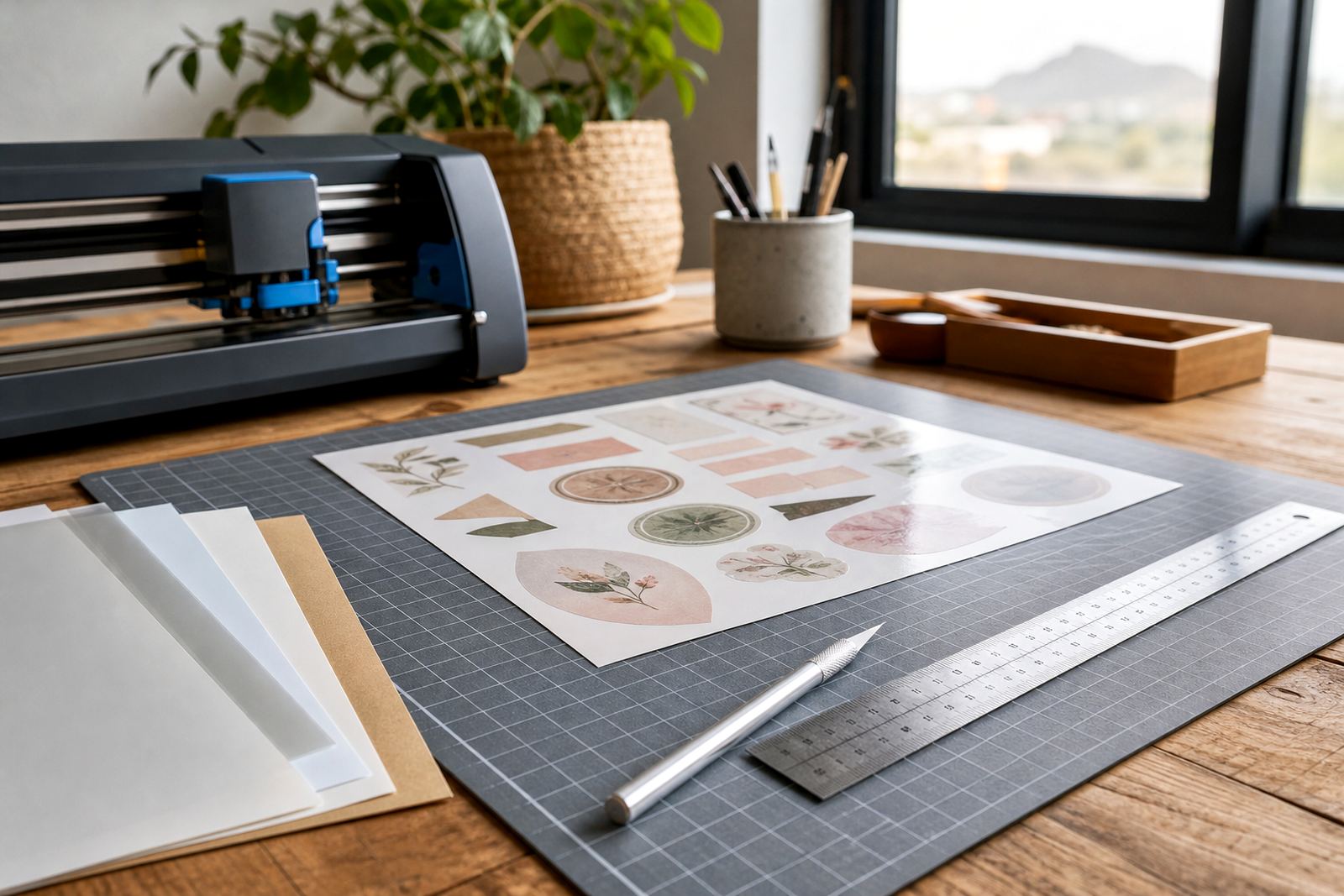
Where needed, we also help with the finishing stage. That can include choosing a suitable cut line for hand trimming, setting up a craft cutter file, or checking whether the adhesive backing and top layer behave well after printing. The guidance is meant for home makers, crafters and small batch label jobs.
- Printer setting guidance for standard and custom sheet sizes
- Paper path advice for straight feeding and cleaner output
- Guidance on toner coverage, fusing and surface finish
- Cutting advice for scissors, blades and craft cutters
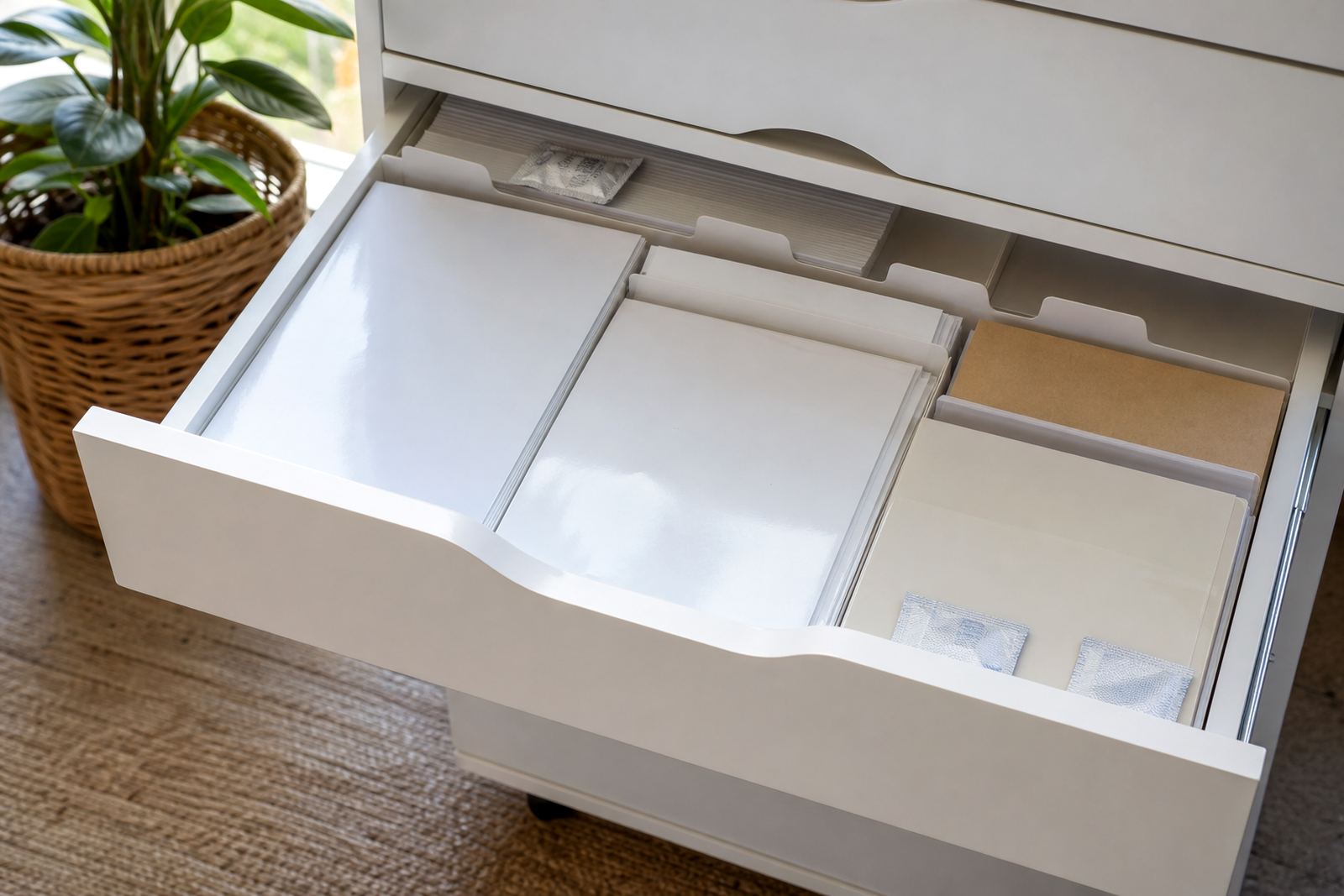
- Handling notes for stacked sheets, dust and storage
How the process usually runs
You send the details through the enquiry form on our contact page, including your printer type, sheet size, sticker finish and what you want to make. From there, we look at the material choice and the print approach that suits the job. If you are working on labels for pantry jars, school items or market packaging, the advice is matched to that use.
After that, we cover the setup in practical steps. That may include adjusting the paper type setting, confirming the print orientation, and checking whether the sheet should be left to cool before cutting. For clear and gloss sheets, extra care helps with smears and surface marks, so the handling sequence matters. A careful setup saves time later, and less paper gets wasted.
- Step 1: share the printer model and intended sticker use
- Step 2: match the paper type to laser compatibility
- Step 3: set feed, print quality and colour handling
- Step 4: print a test sheet before the full run
- Step 5: cut, peel and store the finished stickers safely
Handling notes for cleaner output and safer use
Laser printed stickers should be handled with a bit of care while the toner is still settling and the sheet is warm. Flat storage helps the paper stay true, especially in Durban and coastal parts where humidity can affect how sheets lie in the tray. Keep the stack clean and dry, and avoid bending the corners before printing.
When the sheet comes out, let it cool before trimming or applying. That helps the toner stay put and reduces the chance of edge lift. If you are printing fine text, a smaller font can blur more easily on textured stock, while clear and gloss sheets may show fingerprints if handled carefull. Clean hands, a steady surface and a sharp blade make a difference.
- Store sheets flat in a dry place away from dust
- Use clean hands to avoid marks on gloss and clear stock
- Allow printed sheets to cool before cutting
- Keep a test print for colour and feed checks
- Handle the adhesive backing carefully when peeling
Pricing and order setup without guesswork
Pricing depends on the sheet type, size, finish and how much guidance is needed for the print job. A small label run on matte paper is different from a clear vinyl-style sheet with a more exact cut line, so the pricing approach is tied to the material and the work involved. We keep the structure practical, with costs aligned to the paper used and the support required.
If your job needs paper selection help, printer setting support, or extra checking around cutting and application, that is worked into the scope before anything is confirmed. The aim is to keep the job clear from the start, so you know what is covered and what kind of sheet is being prepared. No hidden extras, no confusion around the finish or the sheet size.
- Material type affects the price structure
- Sheet size and cut format change the scope
- Guidance for test prints may be included where needed
- Bulk label work is quoted differently from small craft runs
Aftercare for printed stickers in everyday use
Once your stickers are printed, the finish needs a little common-sense care so it lasts well in use. For kitchen labels, storage jars, stationery and handmade gifts, keep the sheets and finished stickers away from heat, standing water and rough rubbing. That is especially useful for gloss, clear and vinyl-style sheets that can show scuffs if they are not handled with care.
If you notice lifting at the corners or toner not sitting evenly, the print settings or feed path may need another look. We can help with that through the same service, along with advice on trimming, peeling and sticking the labels onto smooth or slightly curved surfaces. The details are often small, but they matter on the final finish.
- Keep finished stickers flat until they are used
- Wipe the application surface before sticking
- Press down from the centre toward the edges
- Allow the adhesive to settle before heavy handling
Key facts
| Compatible printers | Laser printers for compatible sticker paper only |
|---|---|
| Sheet finishes | Matte, gloss, clear, vinyl and kraft looks |
| Common uses | Labels, home organisation, gifts and craft projects |
| Typical formats | A4 sheets and other selected sheet sizes |
| Cutting options | Hand cutting or craft cutter use |
| Coverage area | Durbanville, Cape Town and delivery across South Africa |