
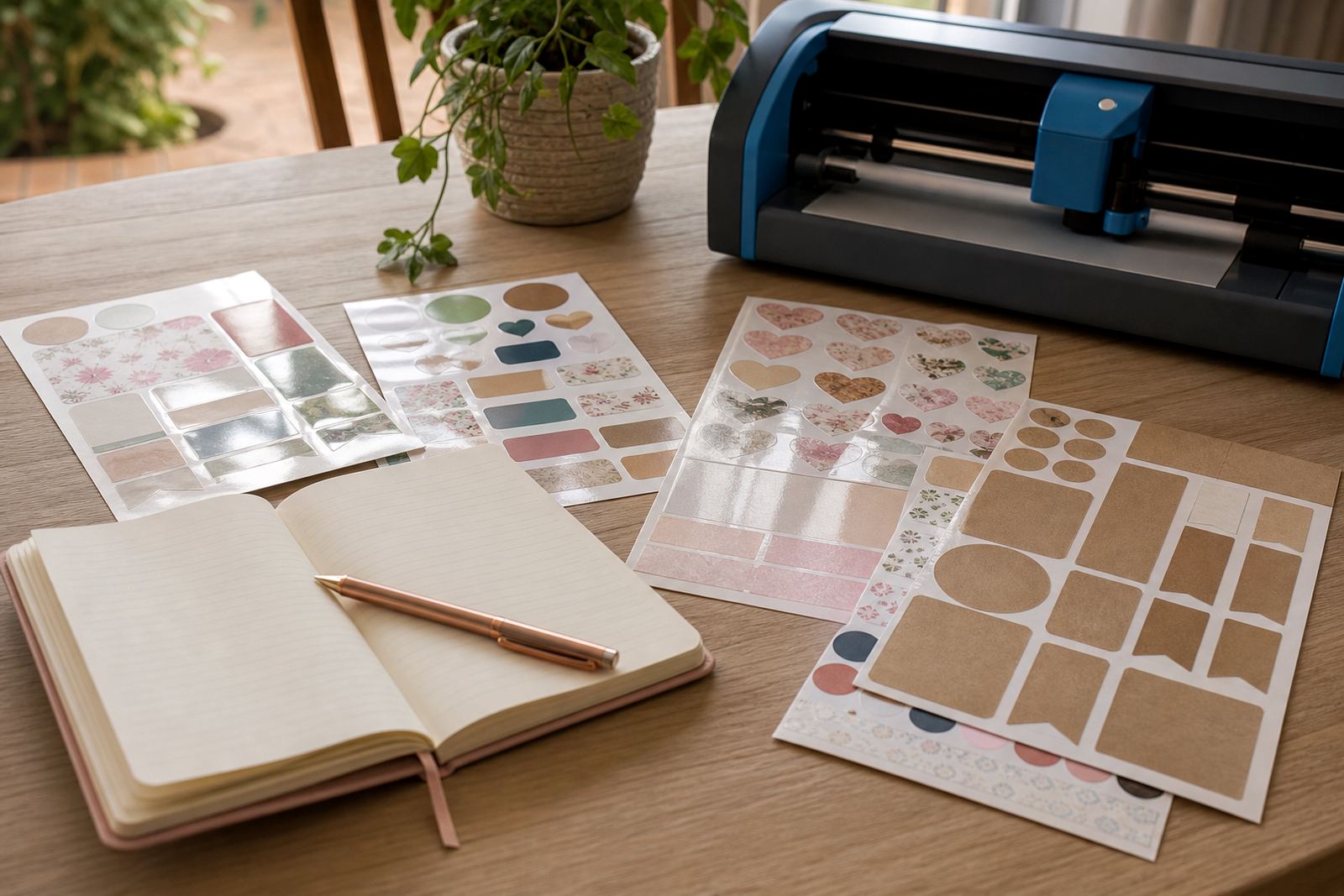
Start with the planner page, not the sticker sheet
Before you pick a finish, look at the page the sticker will sit on. Light cream paper, coated inserts and ring-bound planners each behave a little differently, especially when you are marking dates, tabs and tiny icons. Matte sheets usually suit everyday planning because pen and pencil grip the surface better, while gloss works well for brighter colour work and decorative spreads.
If you use planners for household lists, meal plans or school schedules, think about how often you write over the sticker later. A sheet that looks lovely in a photo can still frustrate you if ink smears or gel pen skates across the surface. For Durban humidity or a Cape Town room near the coast, storage matters too, so keep unused sheets flat and sealed from damp air.
Finish choices that suit planner pages
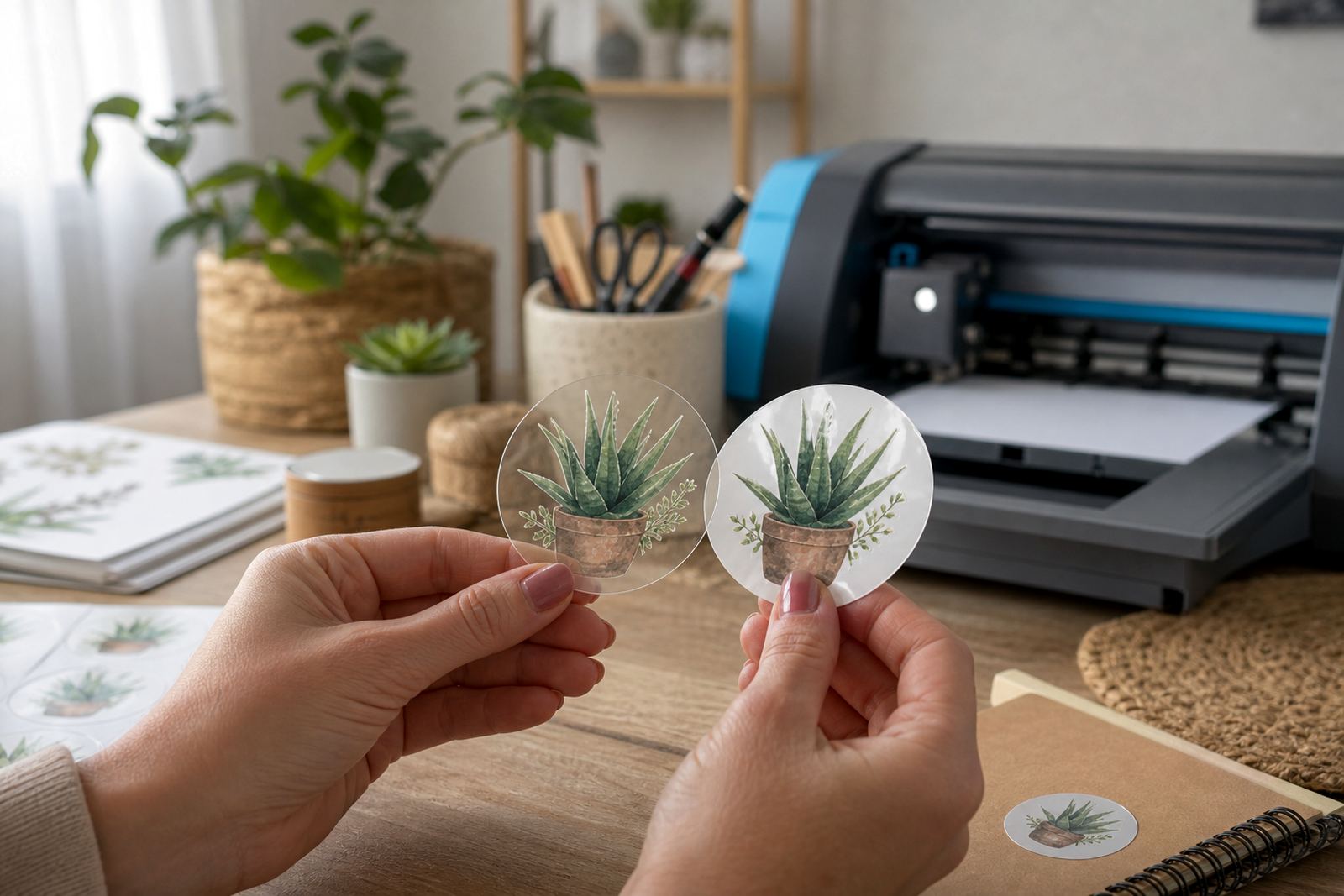
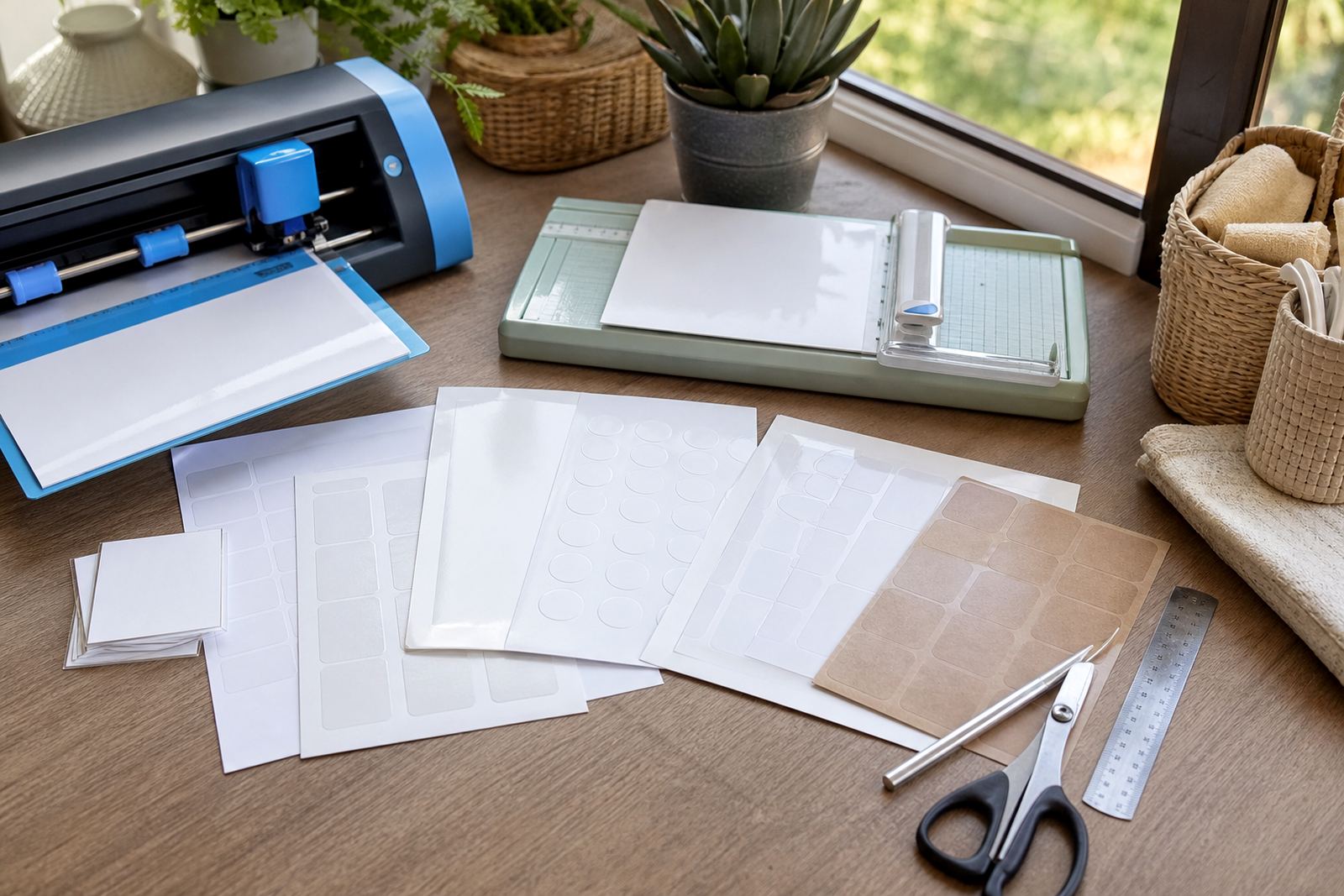
Each finish gives a different result on the page. Matte is the most forgiving for writing. Gloss gives stronger colour and a brighter surface. Clear sheets let the planner paper show through around the sticker shape. Vinyl has a tougher feel for repeated handling, while kraft gives a warm, textured look for rustic labels and neutral planners.
- Matte: best for writing over, daily planners and functional icons.
- Gloss: good for bright colour blocks, decorative headers and shiny accents.
- Clear: useful when you want the planner paper to show through.
- Vinyl: suited to stickers that need a firmer surface and better handling.
- Kraft: works well for earthy layouts, home lists and natural colour palettes.
If your planner uses soft colours, matte keeps the page calm. If you are printing artwork, gloss can make the colours feel sharper. Clear sheets suit layered layouts, though you need careful alignment because the background shows through every edge.
Inkjet or laser? Match the sheet to the printer
Printer compatibility matters more than most buyers expect. Inkjet printers place liquid ink onto the sheet, so the coating needs to receive that ink without bleeding. Laser printers use heat, which means the sticker paper must handle higher temperature without curling, sticking or shifting inside the machine. A sheet made for the wrong printer can waste material fast.
If you print planner stickers at home, check whether your layout needs rich colour fills or fine black text. Inkjet can give smooth colour blends for decorative planner sets, while laser is often preferred for crisp text and busy weekly pages. For either printer, do a small test first on one sheet, then inspect the edges, the drying and the way the paper feeds through.
- Use inkjet sheets for liquid-ink printers only.
- Use laser sheets for heat-based printers only.
- Test pale colours, black text and small icons first.
- Check that the printed sheet lies flat after printing.
Cut lines, corners and the tool you already use
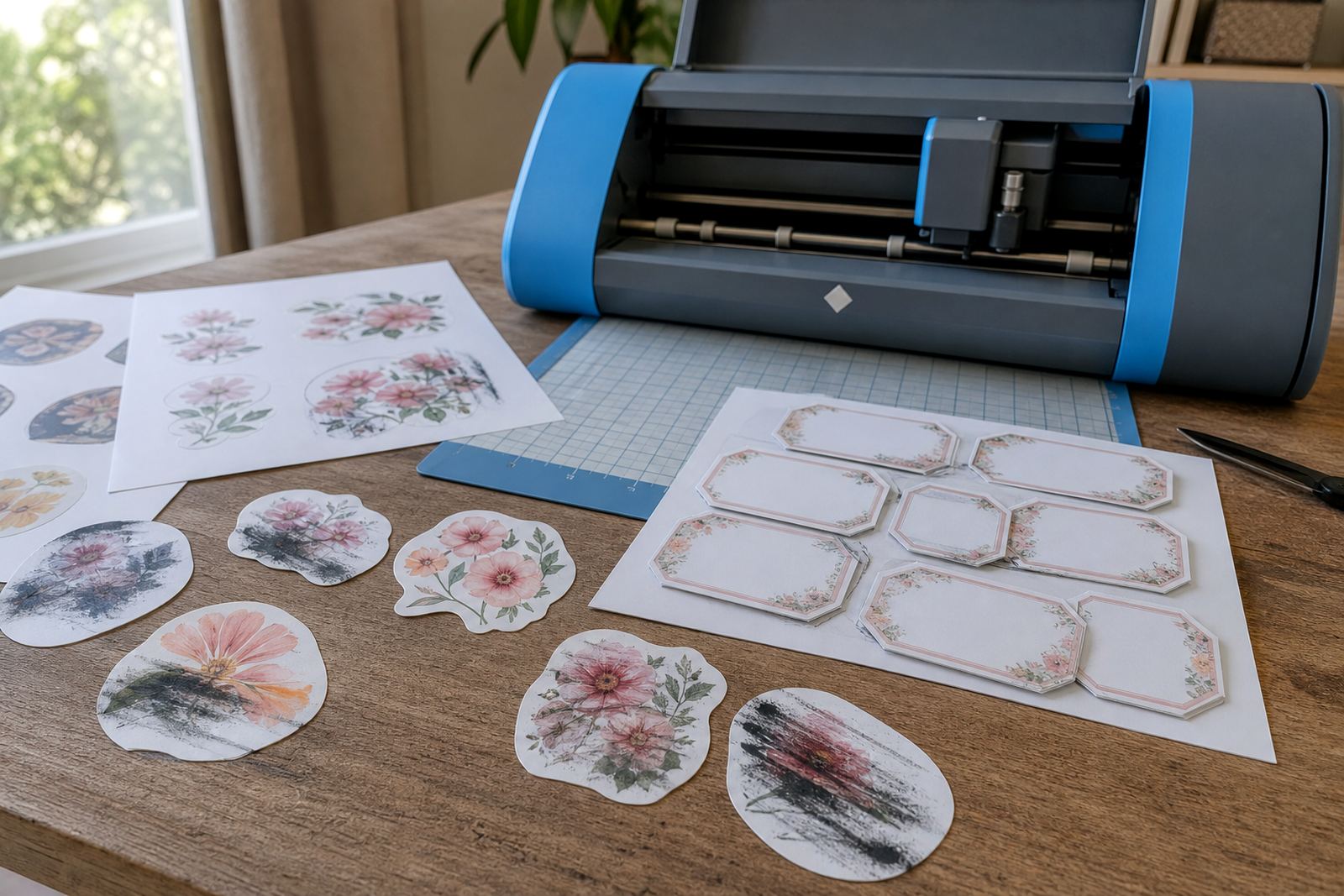
Planner stickers are often small, so the cutting method makes a real difference. Some buyers cut by hand with scissors or a craft knife, while others use a craft cutter for repeated shapes, full sheets or planner bundles. Hand cutting gives you control over odd sizes and quick adjustments, while a craft cutter helps with neat tabs, boxes and repeated icons.
Clean edges help the stickers sit better on the page and make removal easier when you need to move a piece. If you use a cutter, make sure the settings suit the thickness of the sheet and the backing liner. If you cut by hand, a sharp blade and a straight edge help with tiny labels, but take your time around rounded corners and fine borders.
- Use hand cutting for one-off labels and custom shapes.
- Use a craft cutter for repeated planner sets and tidy edges.
- Leave a little border around tiny text where possible.
- Round sharp corners if the sticker will be handled often.
Write-on behaviour for daily planning
For planner buyers, writability is often the deciding factor. Matte paper is generally the easiest surface for ballpoint, pencil and many gel pens. Gloss and clear finishes can be trickier because the ink may sit on top for longer, which raises the risk of smudging. If you need to write dates, reminders or recipes on the sticker, test the pen you use most often, not just a sample marker.
Smaller planner stickers also need enough space for the writing itself. A neat label can become hard to read if the font is too fine or the surface reflects light. For labels that will be filled in later, keep the artwork simple and leave enough blank area for handwriting. That small planning step saves a lot of irritation once the sheet is on the page.
Ordering for home use in Durbanville and across South Africa
Many planner buyers want a mix of decorative and practical sheets in the same order. That can include dates, habit trackers, folder labels, study blocks and quick notes for the fridge or pinboard. If you live in Durbanville, Cape Town, or need delivery to Johannesburg, Durban, Pretoria or Bloemfontein, it helps to choose a mix that suits both the printer and the way you plan.
When you place an order, think in sets rather than single sheets only. A small group of matte sheets for writing, a few gloss sheets for colour and a clear or vinyl option for special uses gives you more flexibility through the month. Keep unused sheets flat in a dry place, away from direct sun and sticky storage areas that can mark the liner.
- Pick matte for notes and labels you will write on.
- Add gloss for decorative headers and colour blocks.
- Include clear or vinyl for special planner details.
- Store sheets flat, dry and out of direct sunlight.